2026 Visa & Work Permits: US Players in European Leagues
Advertisements
Navigating the 2026 visa and work permit process for US players in European leagues is complex, requiring detailed understanding of regulations and proactive planning for a successful career transition.
For many aspiring athletes, the dream of playing professional soccer in Europe is a powerful motivator. However, realizing this dream, especially for those from the United States, involves a significant hurdle: successfully navigating the 2026 visa and work permit process for US players in European leagues: a practical guide. This journey is not merely about talent on the field; it's also about meticulous preparation off it, ensuring compliance with diverse national immigration laws and football federation rules.
Understanding the European Landscape for US Players
The European football landscape is a mosaic of diverse leagues, each with its own set of rules and requirements for non-EU players. For US players, understanding these nuances is the first crucial step towards securing a professional contract and the necessary legal documentation. The year 2026 is particularly significant, as global sporting events often bring about shifts in immigration policies and talent acquisition strategies, making early preparation paramount.
Historically, the path for US players has been challenging, often requiring exceptional talent or a specific pathway through youth academies. However, with the growing global appeal of soccer and the increasing quality of US talent, European clubs are more frequently looking across the Atlantic. Still, the bureaucratic hurdles remain substantial, demanding a clear strategy and a comprehensive understanding of what lies ahead.
Key European Nations and Their Entry Requirements
- United Kingdom: Post-Brexit, the UK has implemented a points-based system for athletes, often requiring a governing body endorsement (GBE) from the Football Association. Players must meet specific criteria related to international appearances, club performance, and salary thresholds.
- Germany: Generally, Germany offers a more streamlined process for highly skilled workers, including professional athletes. A contract with a German club is typically the primary requirement for obtaining a work permit and residence visa.
- Spain: Spanish regulations often demand that non-EU players possess exceptional talent, frequently judged by their professional experience and potential impact on the league. The process can be intricate and may involve proving that no suitable EU player is available for the role.
- France: Similar to Spain, France has specific criteria for non-EU athletes, emphasizing the player's professional standing and the economic benefits they bring to the club and country.
Each country presents a unique set of challenges and opportunities. Researching specific league and national immigration websites for the most current 2026 guidelines is essential. Consulting with legal experts specializing in sports immigration can provide invaluable insights tailored to individual circumstances.
In conclusion, the European football ecosystem is complex and varied. US players must conduct thorough research into their target nations and leagues to understand the specific visa and work permit requirements that will apply in 2026. This foundational knowledge is critical for effective planning and successful entry into the highly competitive European professional football arena.
The Visa Application Process: Step-by-Step for US Players
Once a potential club and country are identified, the actual visa application process begins. This phase is characterized by meticulous documentation, strict adherence to deadlines, and often, a test of patience. Understanding each step can significantly reduce stress and increase the likelihood of a successful outcome for US players aspiring to play in European leagues.
The process typically starts with securing a formal offer from a European club. This offer is the cornerstone of the application, as it proves the player's professional engagement and the need for their presence in the country. Without a valid club contract, obtaining a work permit and visa is nearly impossible.
Essential Documents for Visa Applications
- Valid US Passport: Must have at least six months validity beyond the intended stay in Europe.
- Official Club Contract: A signed, legally binding contract from the European club, detailing salary, duration, and responsibilities.
- Proof of Professional Experience: Documentation from previous clubs, national team appearances, and relevant football federations.
- Medical Examination Certificates: Some countries require a health check to ensure the player meets specific medical standards.
- Criminal Background Check: A clear record is almost universally required for long-term visas.
- Proof of Accommodation: Evidence of where the player will reside in the European country.
Beyond these, specific countries may request additional documents, such as academic qualifications or letters of recommendation. It is crucial to have all documents translated into the official language of the destination country by a certified translator, if required, and to ensure they are properly apostilled or legalized.
The application typically involves submitting these documents to the respective country's embassy or consulate in the United States, or sometimes directly to immigration authorities in Europe. Interviews may also be part of the process, requiring players to articulate their intentions and demonstrate their commitment to playing professionally.
Successfully navigating the visa application process for US players in European leagues demands precision and diligence. Each document must be accurate and submitted on time, reflecting the seriousness of the player's professional aspirations. Engaging with a club's administrative staff or a specialized agent can greatly assist in compiling the necessary paperwork and understanding the submission protocols.
Securing a Work Permit: The Core of European Employment
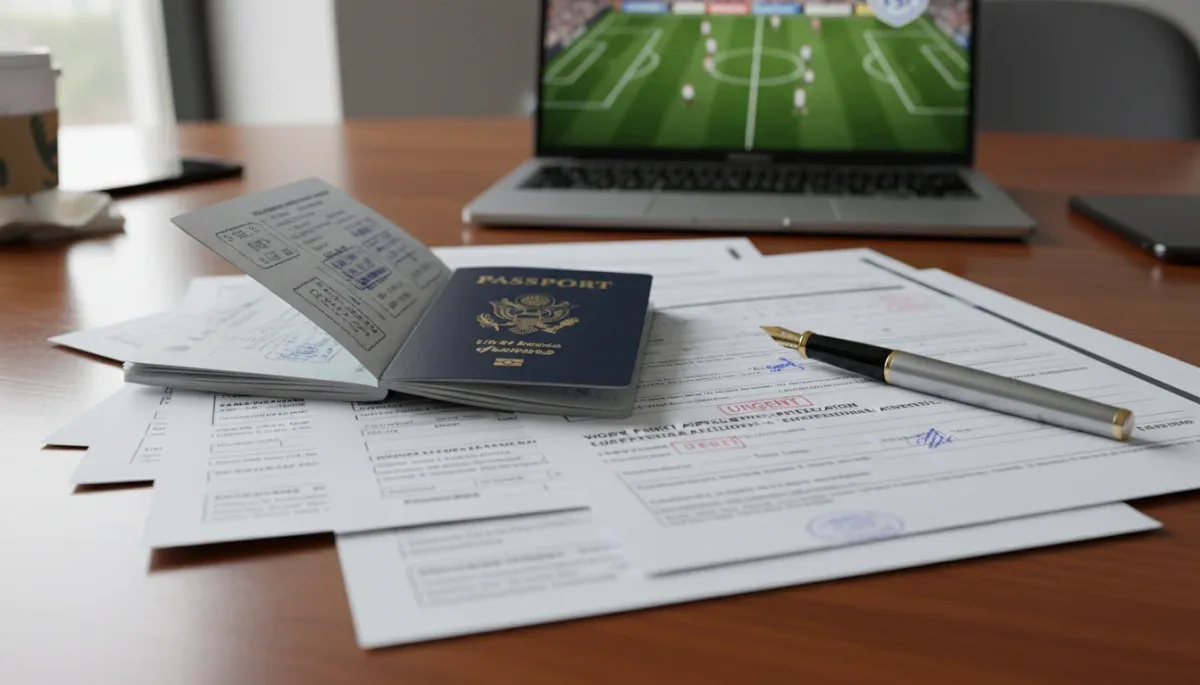
A work permit is distinct from a visa, though often applied for concurrently or as part of a single application package. While a visa grants entry and temporary stay, a work permit explicitly authorizes a non-national to be employed within a specific country. For US players, securing this permit is the core objective when aiming for European leagues.
The criteria for work permits are generally stricter than those for visas, focusing on the economic impact and the unique skills the player brings. European governments aim to protect their domestic labor markets, meaning a US player must demonstrate that their presence fills a specific need that cannot be met by an EU national.
Key Factors Influencing Work Permit Approval
- Player's Caliber: Often measured by international caps, transfer fees, and previous league performance. Higher-tier players typically have an easier path.
- Club's Need: The club must demonstrate a genuine need for the player's specific skills and that they have attempted to find an EU alternative without success.
- Salary and Economic Impact: A higher salary often indicates a higher-value player, which can positively influence the application. The economic benefit to the local economy can also be a factor.
- Youth Development: For younger players, some countries have specific pathways if they are joining a recognized youth academy with a clear professional development plan.
The application for a work permit is usually initiated by the sponsoring club on behalf of the player. This means close coordination between the player, their agent, and the club's administrative or legal team is vital. Any discrepancies or missing information can lead to significant delays or outright rejection.
Work permits are typically issued for a specific duration, often tied to the length of the player's contract, and may require renewal. Understanding the renewal process from the outset is important for long-term career planning in Europe. Some countries also have specific quotas for non-EU players per club or per league, adding another layer of complexity.

In essence, obtaining a work permit is the most critical legal step for US players to professionally compete in European leagues. It requires a compelling case demonstrating the player's value and the club's genuine need, supported by comprehensive documentation and precise adherence to national regulations.
The Role of Agents and Legal Counsel
For US players embarking on the complex journey of securing a European contract, visa, and work permit, the assistance of experienced agents and specialized legal counsel is not merely beneficial; it is often indispensable. These professionals act as vital navigators through the intricate legal and bureaucratic maze, ensuring compliance and maximizing the chances of success.
An agent's role extends beyond negotiating contracts; a good agent will also be acutely aware of the immigration requirements for various European countries. They can help identify clubs in leagues where the work permit process might be more favorable for a US player, based on their specific profile and experience.
How Agents Facilitate the Process
- Club Identification: Agents leverage their network to find clubs actively seeking players with the US player's skillset and those familiar with sponsoring non-EU athletes.
- Contract Negotiation: Beyond salary, agents ensure contracts include clauses that support visa and work permit applications, such as clear employment terms and club sponsorship commitments.
- Document Coordination: Agents often serve as a central point for collecting and organizing the vast array of documents required, liaising between the player, club, and legal counsel.
- Timeline Management: They help manage critical deadlines for applications, renewals, and appeals, preventing unnecessary delays.
Legal counsel, particularly those specializing in sports immigration law, provide expertise on the specific legal frameworks of each European nation. They can interpret complex regulations, advise on potential pitfalls, and represent the player or club in official proceedings if necessary. Their deep understanding of case law and precedents can be crucial in challenging situations.
Choosing the right agent and legal team is paramount. Players should seek professionals with a proven track record in placing US players in European leagues and a thorough understanding of the 2026 immigration landscape. Due diligence, including checking references and verifying credentials, is highly recommended before committing to any representation.
Ultimately, the combined expertise of a reputable agent and specialized legal counsel significantly streamlines the entire process. They provide invaluable guidance, reduce administrative burdens, and increase the probability of a US player successfully navigating the visa and work permit process to achieve their European football dreams.
Financial Considerations and Planning
Moving to Europe to play professional soccer involves substantial financial considerations beyond just the player's salary. US players must be acutely aware of these costs, from application fees to relocation expenses, to ensure a smooth transition and avoid unexpected financial burdens. Proper financial planning is as crucial as on-field performance.
The costs associated with visa and work permit applications can vary significantly by country and the type of permit sought. These fees, which can range from hundreds to thousands of dollars, are often the responsibility of the club, but players should confirm this in their contract. Beyond official fees, there are other out-of-pocket expenses to consider.
Key Financial Aspects to Consider
- Application Fees: Visa, work permit, and any associated legal processing fees.
- Travel and Relocation: Flights to Europe, initial accommodation, and costs for moving personal belongings.
- Initial Living Expenses: Deposits for housing, setup costs for utilities, and general living expenses before the first paycheck.
- Healthcare and Insurance: While some European countries offer public healthcare, private insurance may be necessary or preferred, especially during the initial transition.
- Agent and Legal Fees: If not covered by the club, these can be a significant expense.
- Currency Exchange: Fluctuations in exchange rates between the US dollar and European currencies can impact the real value of earnings and expenses.
Players should also factor in the potential for delays in the application process, which could mean longer periods without income or increased living costs. Having an emergency fund to cover at least three to six months of expenses is a wise precaution. Discussing these financial aspects thoroughly with their agent and potential club is essential during contract negotiations.
Understanding the tax implications of earning income in a European country and potentially in the US is also vital. Double taxation agreements exist between many countries, but professional tax advice should be sought to ensure compliance and optimize financial outcomes. This foresight can prevent unexpected tax liabilities down the line.
In summary, successful financial planning is an integral part of a US player's move to a European league. By meticulously budgeting for application fees, relocation costs, living expenses, and seeking professional advice on taxes and insurance, players can mitigate financial risks and focus more fully on their professional career.
Post-Arrival: Integration and Compliance
Successfully obtaining a visa and work permit is a significant achievement, but the journey doesn't end there for US players. Post-arrival integration into a new country, culture, and professional environment, coupled with ongoing compliance with immigration laws, is crucial for long-term success and well-being in European leagues.
Upon arrival, players must complete several administrative tasks, such as registering with local authorities, opening a bank account, and potentially applying for a national identification card. These steps are not just bureaucratic necessities; they are fundamental for establishing legal residency and accessing essential services.
Navigating Life in a New European Country
- Local Registration: Registering your address and presence with the local city hall or immigration office is often mandatory within a few days or weeks of arrival.
- Bank Account: Opening a local bank account is essential for receiving salary payments and managing daily finances.
- Healthcare Access: Understanding the local healthcare system and ensuring proper insurance coverage is critical for health and peace of mind.
- Cultural Integration: Learning basic phrases of the local language, understanding cultural norms, and actively engaging with the community can significantly ease the transition.
Beyond initial administrative tasks, players must remain vigilant about the terms of their visa and work permit. This includes understanding the duration of their permits, any restrictions on employment, and the process for renewal. Failure to comply with these regulations can lead to serious consequences, including fines, deportation, and future entry bans.
Clubs often provide support for new players, offering assistance with housing, language courses, and cultural orientation. Players should actively utilize these resources and not hesitate to seek help from their club's liaison officers, agents, or teammates. Building a local support network can make a significant difference in adapting to a new environment.
Maintaining strict compliance with immigration laws is an ongoing responsibility. Players should keep track of their visa and work permit expiration dates well in advance and initiate renewal processes as early as possible. Any changes in employment status or personal circumstances should be reported to the relevant authorities, as required by law.
In conclusion, the post-arrival phase requires US players to be proactive in their integration and diligent in maintaining legal compliance. By embracing the new culture, utilizing available support systems, and meticulously adhering to immigration regulations, players can build a stable and successful career in European football.
Future Trends and 2026 Projections for US Players
As we look towards 2026, several trends and projections are emerging that could significantly impact US players aiming for European leagues. The evolving global football landscape, coupled with potential shifts in immigration policies, necessitates a forward-thinking approach for aspiring athletes. Understanding these trends can help US players better prepare for their European aspirations.
One major factor is the continued growth of soccer in the United States, particularly with the co-hosting of the FIFA World Cup in 2026. This event is expected to boost the profile of US players and potentially open more pathways to European clubs. Increased investment in youth development and improved scouting networks could lead to a larger talent pool for European recruitment.
Anticipated Changes and Opportunities
- Increased Scouting: European clubs may intensify scouting efforts in the US, leading to more direct opportunities for talented young players.
- Policy Adjustments: Some European nations might adjust their immigration policies to attract skilled athletes, possibly streamlining processes for high-potential non-EU players.
- Data-Driven Recruitment: The use of advanced analytics and data science in player recruitment is likely to grow, allowing clubs to identify talent more efficiently, regardless of their origin.
- Brexit Impact: The long-term effects of Brexit on player movement within Europe, especially concerning non-EU players, will continue to evolve, potentially creating new opportunities or challenges in the UK and other EU nations.
However, increased competition is also a likely outcome. As more US players develop and seek European opportunities, the bar for entry will likely rise. This emphasizes the importance of continuous development, both on and off the field, including language skills and cultural adaptability.
The development of strategic partnerships between US and European clubs could also become more prevalent. These partnerships might offer clearer pathways for US youth players to transition into European academy systems, providing a structured route for development and eventual professional contracts. Such collaborations could streamline the visa and work permit process by establishing pre-approved pathways.
In conclusion, the future for US players in European leagues in 2026 appears promising yet competitive. By staying informed about global football trends, continuing to develop their skills, and strategically leveraging potential policy shifts and club partnerships, US players can position themselves favorably to achieve their professional dreams across the Atlantic.
| Key Aspect | Brief Description |
|---|---|
| Visa Requirements | Specific entry permits vary by European country, often requiring a club contract and extensive documentation. |
| Work Permit Process | Authorizes employment, typically initiated by the sponsoring club, based on player caliber and club need. |
| Agent & Legal Help | Essential for navigating complex legal frameworks, contract negotiation, and document coordination. |
| Financial Planning | Crucial for covering application fees, relocation costs, living expenses, and understanding tax implications. |
Frequently Asked Questions About European League Entry
What is the first step for a US player seeking to play in European leagues? ▼The initial step involves securing a formal offer or professional contract from a European football club. This contract is the foundational document required for all subsequent visa and work permit applications, proving a legitimate employment opportunity.
Are there different visa requirements for various European countries? ▼Yes, absolutely. Each European country has its own distinct immigration laws and specific visa categories for professional athletes. Requirements can vary significantly regarding documentation, processing times, and eligibility criteria, making targeted research essential.
How important is an agent in this process? ▼An experienced agent is highly important. They not only negotiate contracts but also provide critical guidance on club selection, coordinate necessary documentation, and navigate the complex legal and administrative procedures for visas and work permits, streamlining the entire journey.
What financial considerations should US players prepare for? ▼Players should plan for application fees, travel and relocation costs, initial living expenses, and potential agent or legal fees. It's also crucial to understand tax implications and currency exchange rates to manage finances effectively in a new country.
What happens after a US player arrives in Europe with their visa and work permit? ▼Upon arrival, players must complete local registrations, open a bank account, and understand the healthcare system. Ongoing compliance with immigration laws and active cultural integration are vital for long-term success and adaptation to their new professional and social environment.
Conclusion
The dream of playing professional soccer in Europe is a tangible goal for many US players, but it necessitates a rigorous and well-informed approach to the visa and work permit process. By understanding the diverse requirements of European leagues, meticulously preparing all necessary documentation, seeking expert guidance from agents and legal counsel, and planning thoroughly for financial and integration challenges, US players can significantly enhance their prospects. The 2026 landscape, while potentially offering new opportunities, will still demand diligence and adaptability. With strategic foresight and unwavering commitment, navigating these complexities can lead to a rewarding and successful career on the European stage.