Beyond the Big 5: Emerging European Leagues Captivating US Viewers in 2026
Advertisements

U.S. football fans are increasingly looking beyond the traditional ‘Big 5’ European leagues, with new emerging European leagues gaining significant popularity and offering compelling, high-quality football experiences by 2026.
The landscape of European football fandom in the United States is rapidly evolving. While the Premier League, La Liga, Serie A, Bundesliga, and Ligue 1 have historically dominated viewership, a new wave of emerging European leagues is now capturing the imagination and loyalty of American audiences. This shift reflects a growing sophistication in U.S. football consumption, driven by improved access, diverse narratives, and the sheer quality of play. By 2026, two leagues, in particular, stand out as having significantly increased their footprint and fan base across the Atlantic, offering a fresh perspective on the beautiful game.
The Shifting Tides of U.S. Football Fandom
For decades, American football enthusiasts largely focused on the established giants of European football. The appeal was undeniable: superstar players, historic rivalries, and marketing machines that ensured widespread visibility. However, the modern fan is more discerning and globally connected than ever before. The saturation of ‘Big 5’ content, coupled with a desire for authentic, competitive narratives, has opened the door for other leagues to shine.
This evolution isn’t just about finding an alternative; it’s about embracing the diverse tapestry of European football. Fans are seeking out leagues where young talent blossoms, where tactical innovation is rife, and where the underdog story still feels genuinely possible. The accessibility of streaming services has played a pivotal role, democratizing access to matches that were once difficult to find. This broader exposure allows fans to discover new teams, players, and playing styles that resonate with their evolving tastes.
The increasing popularity of football in the U.S. also means a more varied fan base. No longer is it solely the domain of expats or those with direct ties to European nations. A new generation of American-born fans, often introduced to the sport through video games or the internet, are actively seeking out unique football experiences. They are less bound by traditional allegiances and more open to exploring what the wider European football landscape has to offer.
Digital Access and Fan Engagement
- Streaming Platforms: Services like ESPN+, Paramount+, and Peacock have expanded their football offerings beyond the usual suspects, making niche leagues readily available.
- Social Media Influence: Platforms such as Twitter, Instagram, and TikTok allow fans to follow players and clubs from any league, fostering direct engagement and community building.
- Fantasy Football: The rise of fantasy football leagues incorporating players from a wider array of European competitions encourages fans to learn about new teams and their stars.
In conclusion, the U.S. football fan base is maturing, moving beyond a singular focus on the ‘Big 5’. This shift is fueled by a desire for fresh narratives, increased accessibility, and a growing appreciation for the tactical and cultural diversity found across Europe’s footballing nations. This evolving landscape sets the stage for the emergence of new fan favorites.
Liga Portugal: A Hotbed of Talent and Tactical Brilliance
One of the most compelling narratives in European football over the past decade has been the consistent production of world-class talent from Portugal. Liga Portugal, the country’s top-tier league, has long been a scouting ground for Europe’s elite clubs, but in 2026, it has cemented its place as a standalone attraction for U.S. viewers. The league offers a unique blend of technical skill, tactical complexity, and passionate rivalries, particularly between the ‘Big Three’ — Benfica, Porto, and Sporting CP.
What makes Liga Portugal so captivating for American audiences is its dynamic and often unpredictable nature. While the ‘Big Three’ usually contend for the title, the matches are rarely one-sided affairs. Mid-table teams often produce thrilling upsets, and the quality of football on display is consistently high. American viewers, accustomed to high-scoring games in other sports, appreciate the attacking flair and individual brilliance frequently showcased by Portuguese teams.
The league’s commitment to developing young players also resonates. Fans enjoy watching future superstars hone their craft before making big moves to more prominent leagues. This ‘proving ground’ aspect adds an extra layer of excitement, as viewers feel they are witnessing the early stages of legendary careers. The stories of players like Cristiano Ronaldo, Bernardo Silva, and João Félix, who all cut their teeth in Liga Portugal, fuel this fascination.
Key Factors Driving Liga Portugal’s U.S. Growth
- Player Development: A consistent pipeline of young, exciting talent who often go on to become global stars.
- Competitive Matches: While the top teams dominate, matches are often fiercely contested with high stakes.
- Distinct Playing Style: Emphasis on technical skill, fluid passing, and attacking football appeals to many viewers.
- Broadcast Quality: Improved broadcast deals and dedicated streaming channels have made matches easier to follow for U.S. fans.
Liga Portugal’s rise in U.S. viewership by 2026 is a testament to its intrinsic quality and its ability to deliver compelling football narratives. It offers a refreshing alternative to the often-predictable outcomes in some of the ‘Big 5’ leagues, drawing in fans who appreciate both the tactical nuances and the raw passion of the game.
Eredivisie: The Cradle of Total Football and Innovation
The Dutch Eredivisie has always held a special place in football history, renowned as the birthplace of ‘Total Football’ and a consistent innovator in tactical approaches. By 2026, its popularity among U.S. viewers has surged, driven by its high-octane, attacking style of play and its reputation as a breeding ground for tactical masterminds and technical players. Teams like Ajax, PSV Eindhoven, and Feyenoord are not just clubs; they are institutions with rich histories and distinct footballing philosophies.
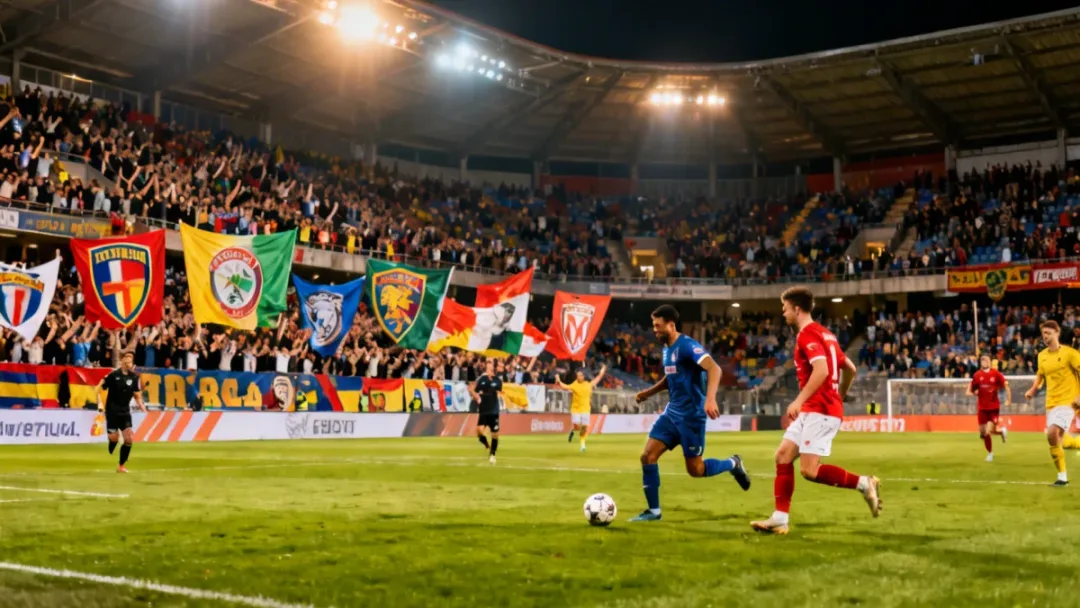
American fans are drawn to the Eredivisie’s commitment to entertaining football. Matches are often open, with an emphasis on possession, fluid movement, and prolific goalscoring. This style contrasts with some of the more defensively oriented leagues, offering a spectacle that is both aesthetically pleasing and thrilling to watch. The league’s focus on youth development is also a significant draw, similar to Liga Portugal. Viewers can witness the emergence of future stars, often seeing them in prominent roles at a young age.
Furthermore, the Eredivisie benefits from a strong historical connection to iconic players and coaches who have influenced global football. Johan Cruyff, Rinus Michels, and Louis van Gaal are just a few names whose legacies are deeply intertwined with Dutch football. This rich heritage, combined with modern-day innovations, makes the Eredivisie a fascinating league for those who appreciate the tactical and historical dimensions of the sport.
Why Eredivisie Resonates with U.S. Audiences
- Attacking Philosophy: A league-wide emphasis on offensive football, leading to exciting, high-scoring matches.
- Youth Development: Renowned for nurturing young talent and providing a platform for their growth.
- Tactical Innovation: Continues to be a source of new ideas and coaching methodologies.
- Competitive Balance: While a few clubs dominate, there’s often genuine competition for European spots and cup glory.
The Eredivisie’s growing appeal in the U.S. by 2026 underscores a desire for football that is not only competitive but also innovative and entertaining. Its unique blend of historical significance and modern-day dynamism makes it a compelling watch for any serious football fan.
The Appeal of Non-Big 5 Narratives
Beyond the inherent quality of play, the appeal of these emerging European leagues for U.S. viewers lies in their distinct narratives. The ‘Big 5’ leagues, while undeniably top-tier, can sometimes feel predictable, with a handful of super-clubs dominating year after year. Liga Portugal and the Eredivisie offer a refreshing change, presenting stories of ambition, local identity, and the constant struggle to compete on a global stage with fewer resources.
Fans are increasingly looking for authenticity. They want to connect with clubs that represent more than just commercial entities. In Portugal and the Netherlands, club loyalties run deep, often intertwined with regional pride and cultural identity. This level of passion and connection is palpable, even through a screen, and it adds a layer of engagement that many American fans find compelling. The underdog stories, the unexpected title challenges, and the dramatic European qualification races all contribute to a richer, more varied viewing experience.
Moreover, the less centralized nature of media coverage for these leagues means fans often feel a stronger sense of discovery. They are not simply consuming pre-packaged narratives but are actively seeking out information, engaging with fan communities, and forming their own opinions about players and teams. This active participation fosters a deeper connection and a greater sense of ownership over their chosen clubs.
The broader appeal of these leagues also ties into the growing understanding among U.S. fans that football talent is not exclusive to the wealthiest clubs. Exceptional players and coaches can emerge from any league, and watching their development in a competitive, yet often less scrutinized, environment is a significant draw. This nuanced appreciation for the global football ecosystem is a hallmark of the evolving American football fan.
Accessibility and Broadcast Evolution
The surge in popularity of emerging European leagues in the U.S. would not be possible without significant advancements in broadcast accessibility. In 2026, streaming services have become the primary gateway for U.S. fans to access a diverse range of football content. This shift has democratized viewership, breaking down the traditional barriers of cable packages and limited terrestrial broadcasts.
Major sports broadcasters and dedicated football platforms have recognized the growing demand for content beyond the traditional powerhouses. They have invested in securing rights for leagues like Liga Portugal and the Eredivisie, making them readily available to subscribers. This includes not just live matches but also highlights, analysis shows, and documentaries that delve into the history and culture of these leagues and their clubs.
Furthermore, the quality of these broadcasts has improved dramatically. High-definition streams, expert commentary (often tailored for an American audience), and interactive features enhance the viewing experience. Fans can now enjoy a premium broadcast of an Eredivisie match with the same ease and quality as a Premier League fixture. This parity in presentation helps to elevate the perceived status of these leagues in the eyes of American viewers.
The Impact of Modern Broadcast Strategies
- Multi-platform Availability: Matches are accessible on TVs, computers, tablets, and smartphones, catering to various viewing habits.
- Tailored Content: Specific commentary teams and analytical segments designed for U.S. audiences enhance engagement.
- Affordable Subscriptions: Many streaming services offer football packages at competitive prices, making it easier for fans to subscribe to multiple leagues.
- On-Demand Access: The ability to watch replays and highlights at convenience supports busy lifestyles and different time zones.
The evolution of broadcast technology and strategy has been a game-changer, allowing these once ‘niche’ leagues to reach a broader American audience and solidify their place in the U.S. football viewing landscape.
The Future Outlook for European Football in the U.S.
Looking ahead to 2026 and beyond, the trend of U.S. viewers embracing emerging European leagues is only set to continue. The football market in the United States is still growing, and with that growth comes an increased appetite for diverse and high-quality content. As more Americans become familiar with the nuances of the global game, their curiosity will naturally extend beyond the most heavily marketed competitions.
The success of Liga Portugal and the Eredivisie in capturing U.S. attention serves as a blueprint for other leagues. It demonstrates that passion, quality of play, and compelling narratives can transcend geographical and linguistic barriers, especially when coupled with effective broadcast strategies. We may see other leagues, perhaps from Belgium, Austria, or even Scandinavia, begin to carve out their own niches in the American market.
This diversification is ultimately beneficial for U.S. football fans. It offers more choices, exposes them to different footballing cultures, and broadens their understanding of the sport’s global reach. It also encourages a more competitive landscape among broadcasters, potentially leading to even better coverage and more innovative ways to engage with the game. The days of a monolithic European football viewing experience in the U.S. are rapidly fading, replaced by a vibrant, multi-faceted tapestry of options.
Anticipated Trends in U.S. Football Consumption
- Further Diversification: More leagues will likely gain traction as access improves and fan knowledge expands.
- Increased Investment: Broadcasters will continue to invest in rights for popular emerging leagues.
- Fan Club Growth: Local fan clubs for non-Big 5 teams will continue to grow in major U.S. cities.
- Youth Engagement: Younger generations of fans will be even more open to exploring diverse football content.
In summary, the future of European football viewership in the U.S. is one of expansion and diversification. The success of leagues like Liga Portugal and the Eredivisie by 2026 highlights a significant shift in fan preferences and accessibility, promising an even richer experience for American football enthusiasts.
| Key Aspect | Brief Description |
|---|---|
| Shifting Fandom | U.S. fans are moving beyond the ‘Big 5’ to seek diverse, authentic football experiences. |
| Liga Portugal | Gaining popularity for its talent development, tactical brilliance, and competitive matches. |
| Eredivisie | Appealing due to its attacking play, youth focus, and historical tactical innovations. |
| Accessibility | Streaming services and improved broadcasts are key to expanding reach for these leagues. |
Frequently Asked Questions About Emerging European Leagues
Why are U.S. viewers looking beyond the ‘Big 5’ European leagues?▼U.S. viewers are seeking fresh narratives, competitive balance, and diverse playing styles. Increased accessibility through streaming, coupled with a desire for authentic football experiences, drives this shift away from the traditional dominance of the ‘Big 5’ leagues.
Which two emerging European leagues are gaining significant popularity in the U.S. by 2026?▼By 2026, Liga Portugal and the Dutch Eredivisie have emerged as particularly popular choices. Liga Portugal is known for its talent production and tactical depth, while the Eredivisie captivates with its attacking philosophy and youth development focus.
What makes Liga Portugal attractive to American audiences?▼Liga Portugal’s appeal stems from its consistent development of world-class talent, highly competitive matches, and a distinct playing style that emphasizes technical skill. U.S. fans appreciate watching future superstars and the passionate rivalries.
How does the Eredivisie stand out for U.S. football fans?▼The Eredivisie attracts U.S. fans with its high-octane, attacking ‘Total Football’ philosophy, leading to many goals and exciting play. Its reputation as a cradle for young talent and tactical innovation also makes it a compelling watch.
How has increased accessibility contributed to this trend?▼Streaming services have revolutionized access, making matches from these leagues readily available to U.S. viewers. Improved broadcast quality, tailored commentary, and on-demand options have significantly lowered barriers, allowing wider fan engagement and discovery.
Conclusion
The evolution of U.S. football fandom by 2026 marks a significant departure from the traditional focus on merely the ‘Big 5’ European leagues. The growing popularity of emerging European leagues like Liga Portugal and the Eredivisie underscores a more sophisticated and globally aware audience, eager for diverse football experiences. Driven by increased accessibility through streaming, compelling narratives, and a consistent display of high-quality play and talent development, these leagues offer a refreshing and exciting alternative. This trend not only enriches the viewing landscape for American fans but also signals a promising future for the broader appreciation of European football across the United States.