European Transfer Budgets 2026: A 5-Step Practical Guide
Advertisements

Understanding European transfer budgets for the 2026 season requires navigating intricate financial fair play regulations, diverse revenue streams, and dynamic player market valuations to ensure strategic and sustainable club growth.
The world of European football transfers is a fascinating, often bewildering, landscape of high stakes, intricate negotiations, and massive financial commitments. For the upcoming 2026 season, clubs are already strategizing, and fans are eager to understand how their favorite teams will fare in the market. This guide offers practical solutions: a 5-step guide to understanding European transfer budgets for the 2026 season, breaking down the complex financial machinery that drives player movement across the continent.
Step 1: Decoding Financial Fair Play (FFP) Regulations
Financial Fair Play (FFP) remains a cornerstone of European football finance, evolving to ensure sustainability and competitive balance. For the 2026 season, clubs will operate under updated UEFA Club Licensing and Financial Sustainability Regulations, which place a stronger emphasis on solvency, stability, and cost control. Understanding these rules is the first critical step in comprehending a club’s potential transfer budget.
The regulations aim to prevent clubs from spending more than they earn, fostering a healthier financial ecosystem. This means clubs cannot simply rely on wealthy owners to inject unlimited funds; instead, they must generate their own revenues sustainably. The concept of ‘break-even’ is central, requiring clubs to balance their relevant expenses with relevant income over a three-year monitoring period.
Key Changes in FFP for 2026
UEFA has introduced significant reforms, moving from a pure ‘break-even’ rule to a more comprehensive ‘squad cost ratio’ rule. This new approach limits spending on player wages, transfers, and agent fees to a percentage of a club’s revenue. For the 2026 season, this ratio is expected to tighten further, pushing clubs toward greater financial discipline. Initially set at 90% in 2023, it’s projected to reach 70% by 2025/26, significantly impacting how clubs approach their spending.
- Squad Cost Ratio: Limits spending on wages, transfers, and agent fees to a percentage of club revenue.
- Solvency Requirements: Ensures clubs can meet their financial obligations to other clubs and employees.
- Reporting and Monitoring: Enhanced oversight and stricter penalties for non-compliance.
- Licensing Criteria: Clubs must meet specific financial benchmarks to participate in UEFA competitions.
Clubs must now meticulously plan their expenditures, not just their income. This means every potential transfer target, every wage negotiation, and every agent fee must be considered within the broader context of their financial health and the FFP limits. The regulations encourage clubs to invest in youth development and infrastructure, as these expenditures are often viewed more favorably or excluded from certain calculations, promoting long-term growth.
In essence, FFP for 2026 is about more than just breaking even; it’s about sustainable spending relative to a club’s operational income. Clubs with higher revenues will naturally have greater spending power within these ratios, but even they must exercise caution. Understanding these regulatory frameworks is fundamental to gauging any European club’s transfer budget potential.
Step 2: Analyzing Club Revenue Streams
A club’s ability to spend in the transfer market is directly tied to its revenue generation. Diverse income streams contribute to the overall budget, and understanding their composition provides insight into a club’s financial health and transfer capacity. For the 2026 season, these revenue streams continue to be crucial in shaping transfer budgets.
Broadly, club revenues are categorized into three main areas: matchday income, broadcasting rights, and commercial activities. Each of these components can fluctuate based on performance, economic conditions, and strategic partnerships, directly affecting the funds available for player acquisitions.
Key Revenue Components
- Matchday Revenue: This includes ticket sales, hospitality packages, and stadium concessions. Success on the pitch, stadium capacity, and fan engagement significantly influence this stream. Clubs with consistently high attendance and premium offerings can generate substantial matchday income.
- Broadcasting Rights: The largest single source of income for many top European clubs. Deals for domestic leagues (e.g., Premier League, La Liga, Serie A, Bundesliga, Ligue 1) and UEFA competitions (Champions League, Europa League) bring in billions. A club’s performance in these competitions directly impacts the share of broadcasting revenue it receives.
- Commercial Revenue: Encompasses sponsorship deals, merchandising, licensing agreements, and pre-season tours. Strong global brands attract lucrative partnerships, contributing significantly to the transfer kitty. The ability to market a club’s brand effectively worldwide is increasingly vital.
Beyond these primary sources, player sales also represent a critical, albeit less predictable, revenue stream. Clubs often rely on selling players at a profit to fund new acquisitions, especially those operating under tighter FFP constraints. This creates a delicate balancing act: developing talent to sell, while also retaining key players for sporting success.
Furthermore, prize money from domestic and international competitions adds to the coffers. Winning trophies or even performing well in the Champions League can inject millions into a club’s budget, often with a direct impact on their summer transfer plans. The economic climate, fan sentiment, and global reach of a club all play a part in enhancing or diminishing these crucial revenue streams.
Ultimately, a deep dive into a club’s annual financial reports, which are usually publicly available for listed clubs or larger entities, can reveal the health and potential growth of these revenue streams. This financial transparency is key to predicting their spending power for the 2026 transfer window.
Step 3: Assessing Player Valuation and Market Trends
The transfer market is a dynamic ecosystem where player values constantly shift based on performance, potential, contract status, age, and market demand. For the 2026 season, understanding these valuation metrics and broader market trends is crucial for clubs to make informed decisions and for observers to gauge the shrewdness of their spending.
Player valuation is not an exact science; it blends objective data with subjective assessments. Factors such as statistical performance (goals, assists, defensive contributions), physical attributes, international caps, and injury history all contribute to a player’s perceived worth. Moreover, the economic power of buying clubs and the selling club’s negotiating position significantly influence the final transfer fee.
Factors Influencing Player Value
- Performance & Potential: Consistent high-level performance and young players with significant growth potential command higher fees.
- Contract Length: Players nearing the end of their contracts often have lower valuations as their club risks losing them for free.
- Age: Peak age players (24-28) are often the most expensive, while younger talents (under 21) with high potential also fetch premium prices.
- Market Demand: A bidding war between multiple interested clubs can inflate a player’s price considerably.
- Nationality & Reputation: Players from top footballing nations or those with a strong international profile often carry a higher market value.
Market trends for 2026 are likely to continue the upward trajectory of transfer fees, driven by increasing broadcasting revenues and the global commercialization of football. However, FFP regulations and the lingering effects of global economic shifts might introduce some caution. We could see a continued emphasis on data analytics for scouting and valuation, allowing clubs to identify undervalued talents or predict future performance more accurately.
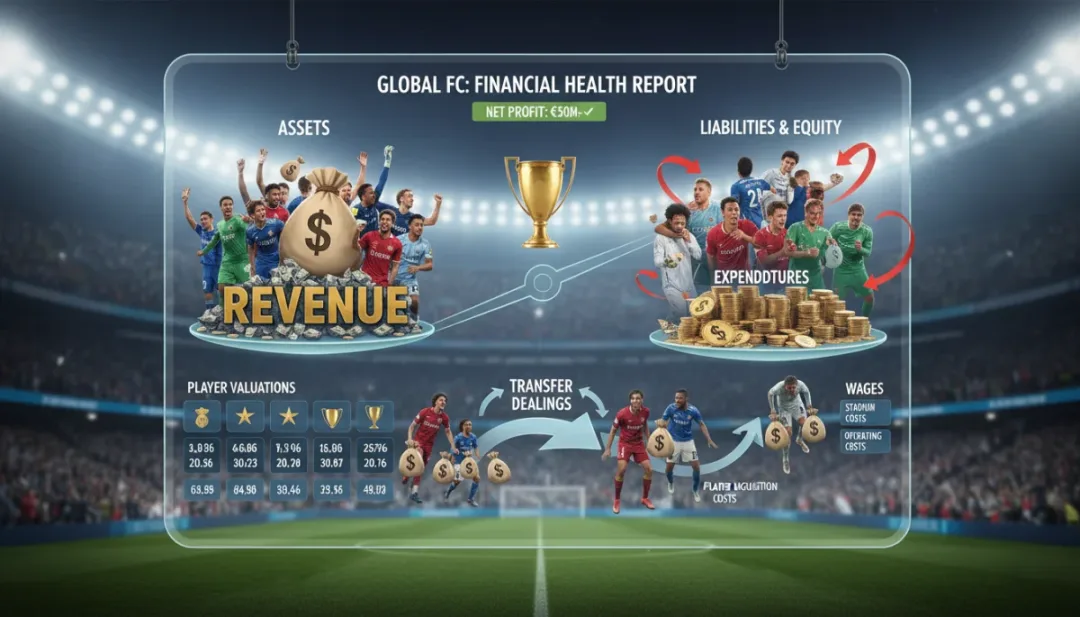
The rise of player agents and their influence on transfers is another significant trend. Agent fees, now explicitly part of FFP’s squad cost ratio, add another layer of complexity to transfer negotiations. Clubs must factor these costs into their overall budget, which can sometimes divert funds that might otherwise be spent on transfer fees or wages.
Ultimately, assessing player valuation requires a holistic view, combining statistical analysis with an understanding of market dynamics and a club’s specific needs. For the 2026 season, clubs will need to be more agile than ever in identifying value and negotiating deals that align with both their sporting ambitions and financial constraints.
Step 4: Understanding Club Ownership and Investment Strategies
The identity and philosophy of a club’s ownership group significantly influence its transfer budget and overall investment strategy. From state-backed entities to private equity firms and traditional fan-owned models, each brings a distinct approach to financing player acquisitions and long-term development. This aspect is vital for comprehending the underlying financial muscle and ambition of European clubs for the 2026 season.
Some clubs benefit from incredibly wealthy owners who are willing and able to inject substantial capital, often within the permissible limits of FFP. These investments can come in various forms, such as share capital increases, interest-free loans, or direct sponsorship deals through associated companies. Such backing can provide a significant competitive advantage in the transfer market, allowing for higher transfer fees and more lucrative wage packages.
Ownership Models and Their Impact
- State-Backed / Sovereign Wealth Funds: Often characterized by vast financial resources and a long-term vision, these owners can transform clubs into global powerhouses. Their investment might extend beyond transfers to infrastructure and youth academies.
- Private Equity / Investment Groups: Focused on maximizing returns, these owners may prioritize asset appreciation (player sales) and commercial growth. Their transfer strategy often involves identifying undervalued talent and developing them for future profit.
- Traditional / Fan-Owned Clubs: These clubs typically operate with more conservative budgets, relying heavily on organic revenue generation. Their transfer activity is often more cautious, with a focus on sustainable growth and community engagement.
The investment strategy of an owner goes beyond just providing funds for transfers. It also dictates how a club approaches debt, infrastructure development, and youth academies. Owners who prioritize long-term sustainability might invest heavily in scouting networks and youth development, aiming to produce their own talent rather than constantly buying from the market. This approach, while potentially slower to yield immediate results, can be more financially resilient in the long run.
Furthermore, the cultural background and business practices of the ownership group can influence transfer negotiations and club management. Some owners might prefer quick, high-profile signings, while others might favor a more gradual, data-driven approach to squad building. Understanding these nuances provides a deeper insight into a club’s financial behavior and its likely activity in the 2026 transfer window.
In essence, the ownership structure is a powerful determinant of a club’s financial ceiling and its willingness to spend. Analyzing this aspect allows for a more comprehensive prediction of how a team will navigate the complexities of the European transfer market in the coming season.
Step 5: Strategic Planning and Squad Building Philosophy
Beyond the raw financial numbers, a club’s strategic planning and overarching squad-building philosophy fundamentally shape its transfer budget allocation. It’s not just about how much money is available, but how that money is intelligently deployed to achieve sporting objectives. For the 2026 season, this strategic foresight will be more critical than ever in navigating a highly competitive market.
Clubs typically operate with a clear vision, whether it’s challenging for domestic titles, securing European qualification, or avoiding relegation. This vision dictates the type of players they target, the positions they prioritize, and the level of investment they are willing to make for each acquisition. A club aiming for the Champions League will naturally have a different spending strategy than one focused on mid-table stability.
Key Aspects of Strategic Planning
- Sporting Director’s Vision: The philosophy of the sporting director or technical director is paramount. Do they favor young talents, established stars, or a blend of both? Their network and negotiation skills are also crucial.
- Manager’s Requirements: The manager’s tactical system and player profile preferences directly influence transfer targets. A new manager often triggers a period of significant squad overhaul.
- Youth Development Integration: Clubs with strong academies might allocate less to external transfers for certain positions, relying on homegrown talent. This is a cost-effective strategy that aligns with FFP.
- Data Analytics & Scouting: Modern clubs heavily rely on data to identify undervalued players, predict performance, and minimize transfer risk. This scientific approach helps optimize spending.
The concept of ‘squad depth’ and ‘succession planning’ also plays a significant role. Clubs need to ensure they have enough quality players to cover injuries, suspensions, and fixture congestion across multiple competitions. Furthermore, they must identify potential long-term replacements for aging stars or players likely to move on, ensuring a smooth transition and continued competitiveness.
Transfer windows are not isolated events; they are part of a continuous cycle of squad evolution. Clubs often plan several windows in advance, identifying targets, tracking their progress, and building relationships. This proactive approach allows them to secure preferred players, sometimes at a lower cost, and avoid desperate, last-minute panic buys that often lead to overspending.
Ultimately, a successful transfer budget strategy for 2026 combines financial prudence with a clear sporting vision. It involves identifying needs, valuing players accurately, and negotiating effectively, all while adhering to regulatory frameworks and leveraging the club’s unique strengths and resources. Without a coherent strategy, even the wealthiest clubs can make costly mistakes in the transfer market.
| Key Aspect | Brief Description |
|---|---|
| FFP Regulations | New UEFA rules for 2026 focus on squad cost ratio and financial sustainability. |
| Revenue Streams | Matchday, broadcasting, and commercial income directly fund transfer budgets. |
| Player Valuation | Market trends, age, contract status, and performance determine transfer fees. |
| Ownership Strategy | Owner’s financial capacity and investment philosophy shape budget and ambition. |
Frequently Asked Questions About European Transfer Budgets
How do FFP rules impact a club’s transfer budget for 2026?▼FFP rules for 2026, particularly the new squad cost ratio, limit how much clubs can spend on wages, transfers, and agent fees relative to their revenue. This forces clubs to operate more sustainably and prevents excessive spending that could jeopardize their financial health.
What are the main sources of revenue for European football clubs?▼The primary revenue streams for European clubs are matchday income (ticket sales, hospitality), broadcasting rights (league and UEFA competitions), and commercial activities (sponsorships, merchandising). Player sales also contribute significantly to the transfer budget.
How is a player’s transfer value determined in the 2026 market?▼Player transfer value is influenced by factors like performance, potential, age, contract length, market demand, and the financial strength of interested clubs. Data analytics and scouting reports play an increasing role in these valuations.
How does club ownership affect transfer spending?▼The ownership model (e.g., state-backed, private equity, fan-owned) dictates the financial capacity and investment philosophy. Wealthier owners may inject more capital, while others focus on organic growth and sustainable spending within FFP limits.
What role does strategic planning play in European transfer budgets?▼Strategic planning ensures that transfer spending aligns with sporting objectives. This includes identifying specific player needs, integrating youth development, and utilizing data analytics for smart acquisitions, optimizing the budget for long-term success rather than short-term fixes.
Conclusion
Understanding European transfer budgets for the 2026 season goes far beyond simply looking at a club’s perceived wealth. It involves a nuanced appreciation of evolving FFP regulations, the diverse and often volatile nature of revenue streams, the intricate art of player valuation, the strategic vision of club ownership, and the overarching philosophy of squad building. Clubs that master these five areas will be best positioned to thrive in the competitive transfer market, securing the talent needed for sporting success while maintaining financial sustainability. For fans, grasping these complexities offers a deeper, more informed perspective on the exciting world of football transfers and the strategic decisions shaping their favorite teams’ futures.