Maximizing Player Profile Potential: 2026 Framework
Advertisements
A 2026 framework for maximizing player profile potential involves integrating advanced analytics, personalized development plans, and holistic athlete support for continuous improvement.
In the rapidly evolving world of professional sports, simply having raw talent is no longer enough. The landscape of athlete development is shifting, demanding a more strategic, data-driven, and holistic approach to nurturing potential. This article delves into a comprehensive Maximizing Player Profile Potential: A 2026 Framework for Continuous Improvement, designed to equip athletes and organizations with the tools and insights needed to thrive in the competitive environment of tomorrow. We will explore how embracing innovation and a forward-thinking mindset can unlock unprecedented levels of performance and longevity in an athlete's career.
Understanding the modern player profile
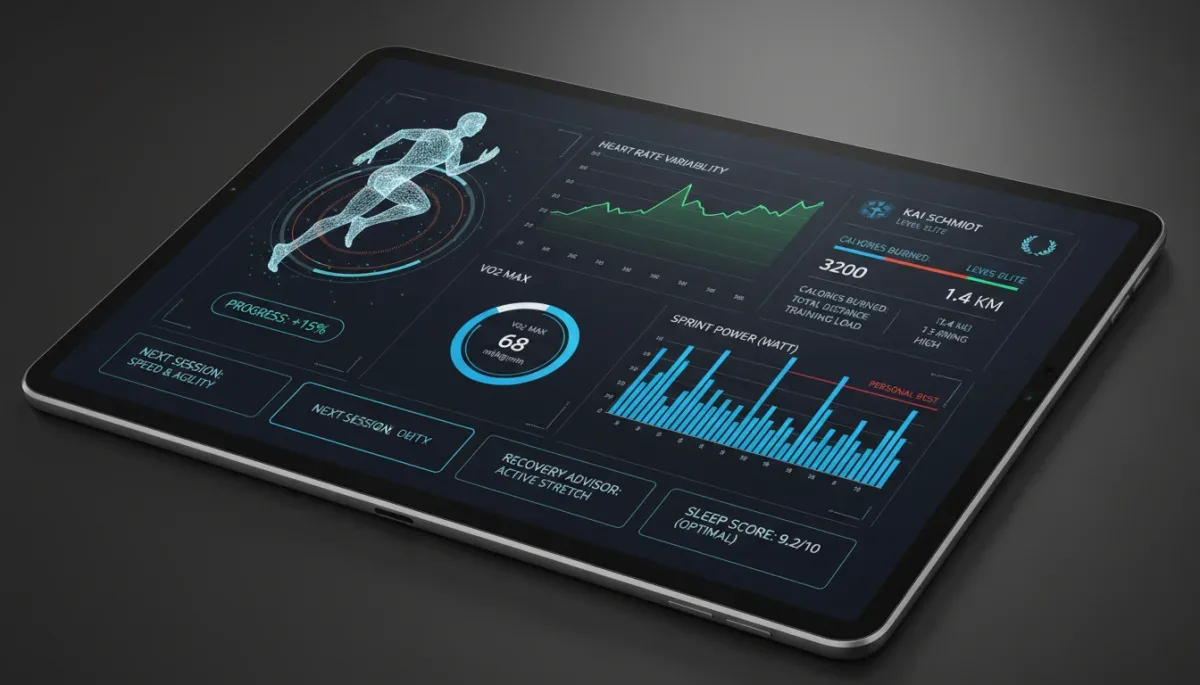
The concept of a player profile has transcended basic statistics and physical attributes. In 2026, it represents a dynamic, multi-faceted digital dossier encompassing everything from biometric data and on-field performance metrics to psychological assessments and social media engagement. This evolution demands a sophisticated understanding of how these diverse data points interconnect to form a comprehensive picture of an athlete's strengths, weaknesses, and potential.
Organizations are increasingly leveraging artificial intelligence and machine learning to process vast amounts of data, identifying subtle patterns and predictive insights that were previously undetectable. This allows for a more nuanced evaluation of talent, moving beyond traditional scouting methods to embrace a truly data-driven approach. The modern player profile is therefore not static; it's a living document that continuously adapts and evolves with the athlete's journey.
The shift to holistic data integration
- Biometric and physiological data: Real-time heart rate, sleep patterns, recovery metrics, and movement efficiency are crucial.
- Performance analytics: Advanced tracking of in-game actions, decision-making speed, and spatial awareness.
- Psychological profiling: Assessments of resilience, motivation, leadership qualities, and adaptability.
- Social and media footprint: Understanding an athlete's public persona and brand impact.
The integration of these diverse data streams creates a powerful tool for coaches, scouts, and performance staff. It allows them to identify potential risks, optimize training regimes, and tailor development pathways to individual needs, all while providing a clearer projection of future success. This holistic view is fundamental to maximizing player profile potential in the current era.
Ultimately, understanding the modern player profile means recognizing that every athlete is a unique system of interconnected variables. Effective development hinges on the ability to monitor, analyze, and respond to these variables in a coordinated and intelligent manner. This foundational understanding sets the stage for continuous improvement and sustained high performance.
Leveraging data analytics for performance enhancement
Data analytics has moved beyond a supplementary tool to become an indispensable core component of modern sports development. By 2026, sophisticated analytical platforms are the backbone of any serious effort to enhance player performance and identify emerging talent. These systems collect, process, and interpret vast quantities of data from various sources, providing actionable insights that inform every aspect of an athlete's training and competitive strategy.
The goal is not just to collect data, but to transform it into knowledge that directly contributes to an athlete's growth. This involves moving beyond descriptive statistics to predictive and prescriptive analytics, anticipating future performance trends and recommending specific interventions to optimize outcomes. From injury prevention to tactical adjustments, data is the guiding force.
Advanced metrics and predictive modeling
Modern analytics platforms employ complex algorithms to analyze player movements, decision-making under pressure, and efficiency in various game scenarios. This goes far beyond traditional metrics like goals or assists, delving into underlying factors such as passing accuracy under duress, defensive positioning effectiveness, or shot selection intelligence. Predictive models can then forecast an athlete's potential ceiling, identify areas for improvement, and even predict injury likelihood based on historical data and current physiological markers.
- Spatio-temporal analysis: Tracking player movement and interactions on the field to understand tactical effectiveness.
- Biomechanics and kinetics: Analyzing movement patterns to optimize technique and reduce injury risk.
- Cognitive load assessment: Measuring mental fatigue and decision-making capacity during intense periods.
- Machine learning for talent identification: Algorithms sifting through vast databases of amateur athletes to spot hidden gems.
The insights generated by these tools allow coaches to create highly personalized training regimens that target specific deficiencies and amplify existing strengths. This data-driven approach ensures that every training session is purposeful and every competitive strategy is informed by objective evidence. Maximizing player profile potential relies heavily on the intelligent application of these analytical capabilities, turning raw numbers into strategic advantages.
Furthermore, analytics plays a critical role in post-game analysis, providing objective feedback that helps athletes understand their performance in detail. This iterative process of data collection, analysis, and application fosters a culture of continuous learning and adaptation, which is vital for sustained success in professional sports.
Personalized training and development plans
Gone are the days of one-size-fits-all training programs. The 2026 framework for maximizing player profile potential places a strong emphasis on highly personalized training and development plans, meticulously crafted to suit each athlete's unique physiological, psychological, and technical needs. This individualized approach is powered by the comprehensive data gathered from modern player profiles, ensuring that every aspect of an athlete's development is optimized for their specific journey.
These plans are not static documents but rather dynamic roadmaps that adapt in real-time based on performance feedback, biometric data, and the athlete's evolving capabilities. The synergy between advanced analytics and expert coaching allows for an unprecedented level of precision in athlete development, fostering continuous improvement and reducing the risk of burnout or injury.
Tailoring programs to individual needs
Personalized training extends beyond physical conditioning to encompass technical skill development, tactical understanding, and mental resilience. For instance, an athlete exhibiting specific biomechanical inefficiencies might receive a targeted strength and conditioning program, while another struggling with decision-making under pressure could benefit from specialized cognitive training drills and psychological support. The key is to address specific areas of growth identified through data analysis.
- Customized strength and conditioning: Programs designed to address individual muscle imbalances and power output.
- Skill acquisition pathways: Drills and exercises tailored to improve specific technical proficiencies.
- Tactical role-playing: Scenario-based training to enhance game intelligence and decision-making.
- Mental conditioning and sports psychology: Techniques to build resilience, focus, and manage performance anxiety.
The effectiveness of personalized plans lies in their ability to create a highly efficient development environment. By focusing resources precisely where they are most needed, athletes can accelerate their progress and achieve peak performance more consistently. This targeted approach is crucial for maximizing player profile potential in a competitive landscape where marginal gains can make all the difference.
Moreover, these plans often incorporate feedback loops where athletes actively participate in setting goals and evaluating their progress. This fosters a sense of ownership and intrinsic motivation, further enhancing the effectiveness of the development process. The collaboration between athlete, coaches, and support staff forms the cornerstone of this personalized approach.
The role of mental fortitude and well-being
While physical prowess and technical skill are undeniably important, the 2026 framework for maximizing player profile potential recognizes that mental fortitude and overall well-being are equally, if not more, critical for sustained success. The pressures of professional sports can be immense, and an athlete's ability to cope with stress, maintain focus, and rebound from setbacks often distinguishes the good from the truly great. Holistic development must therefore encompass robust mental and emotional support systems.
Sports psychology, once considered a niche area, has now become an integral part of high-performance environments. Athletes are provided with tools and strategies to enhance their cognitive resilience, manage anxiety, and cultivate a positive mindset. This proactive approach to mental health ensures that athletes are not only physically ready but also psychologically prepared to face the demands of their sport.
Cultivating resilience and focus
Building mental fortitude involves a range of techniques, from mindfulness and visualization to goal-setting and stress management. Athletes learn to identify and challenge negative thought patterns, develop coping mechanisms for pressure situations, and maintain optimal levels of focus throughout competition. These skills are not innate; they are learned and honed through consistent practice and expert guidance.
- Mindfulness and meditation: Techniques to improve present-moment awareness and reduce mental clutter.
- Visualization and imagery: Practicing scenarios mentally to enhance confidence and performance.
- Stress inoculation training: Gradually exposing athletes to stressors to build tolerance and effective coping strategies.
- Performance routine development: Establishing consistent pre-competition rituals to optimize readiness.
Beyond performance, athlete well-being encompasses broader aspects of life, including social connections, financial literacy, and post-career planning. Organizations are increasingly investing in comprehensive support services that address these areas, recognizing that a well-rounded individual is more likely to be a successful and sustained athlete. This holistic perspective is crucial for maximizing player profile potential over an entire career.
The emphasis on mental health also helps in injury recovery, as athletes with stronger psychological resilience tend to navigate the rehabilitation process more effectively. Providing a safe and supportive environment where athletes can openly discuss their mental health challenges is paramount, breaking down stigmas and fostering a culture of care.
Technological advancements and their impact
The rapid pace of technological innovation continues to reshape the landscape of athlete development, offering unprecedented opportunities for maximizing player profile potential. By 2026, technologies such as wearable sensors, virtual reality (VR), augmented reality (AR), and advanced simulation tools are not just novelties but fundamental components of high-performance training environments. These advancements provide immersive, data-rich experiences that accelerate skill acquisition, enhance tactical understanding, and offer precise performance feedback.
Wearable technology, for instance, has evolved to provide highly accurate and non-invasive monitoring of physiological responses, biomechanics, and even cognitive states in real-time. This continuous stream of data feeds directly into personalized development plans, allowing for immediate adjustments and optimizations. The integration of AI with these technologies further refines the insights, making them more actionable and predictive.

Immersive training and feedback systems
Virtual and augmented reality platforms are transforming how athletes train, offering simulated environments that replicate game-day pressures and scenarios without the physical toll. A basketball player can practice hundreds of free throws in a simulated stadium, complete with crowd noise, while a soccer player can refine tactical positioning against virtual opponents. This allows for deliberate practice in a controlled, repeatable, and safe setting.
- VR for tactical rehearsal: Immersive simulations for reviewing game plans and decision-making.
- AR for real-time feedback: Overlaying performance data directly onto the training environment.
- Smart equipment and apparel: Gear embedded with sensors to track movement, impact, and biometrics.
- Digital twin technology: Creating virtual replicas of athletes for predictive modeling and injury prevention.
The impact of these technologies extends beyond individual training to team dynamics, allowing coaches to simulate complex tactical strategies and evaluate player interactions in a virtual space. This not only saves valuable training time but also reduces the risk of injury associated with high-intensity drills. The continuous feedback loops provided by these systems empower athletes to take greater ownership of their development, fostering a deeper understanding of their performance metrics.
Ultimately, technological advancements are democratizing access to elite training methodologies, making sophisticated tools available to a wider range of athletes and organizations. This technological integration is a cornerstone of the 2026 framework for maximizing player profile potential, driving efficiency and effectiveness in athlete development.
Continuous improvement culture and feedback loops
At the heart of maximizing player profile potential in 2026 is the cultivation of a robust continuous improvement culture, underpinned by effective feedback loops. This isn't merely about periodic reviews; it's about embedding a mindset of constant learning, adaptation, and refinement into every aspect of an athlete's journey. Organizations that foster such a culture empower their athletes to proactively seek growth opportunities, embrace challenges, and view every experience as a chance to evolve.
Feedback loops are the circulatory system of this culture, ensuring that insights from data analytics, coaching observations, and athlete self-reflection are consistently communicated, processed, and acted upon. This iterative process allows for rapid adjustments to training plans, tactical approaches, and mental strategies, ensuring that development remains aligned with an athlete's evolving needs and goals.
Establishing effective feedback mechanisms
Effective feedback is specific, timely, actionable, and delivered in a supportive manner. It moves beyond simple critique to provide clear pathways for improvement. This might involve one-on-one coaching sessions, video analysis reviews, peer feedback, or self-assessment tools. The goal is to create a multi-directional flow of information that empowers the athlete, rather than simply dictating instructions.
- Regular one-on-one coaching sessions: Structured discussions focusing on performance, goals, and well-being.
- Video analysis and self-review: Athletes analyzing their own performance to identify areas for improvement.
- Peer feedback systems: Encouraging teammates to provide constructive input and support.
- Performance dashboards: Real-time access to personal data and progress metrics.
A continuous improvement culture also encourages experimentation and risk-taking within a controlled environment. Athletes are given the freedom to try new techniques or strategies, knowing that failures are viewed as learning opportunities rather than definitive setbacks. This fosters innovation and creativity, which are essential for staying ahead in competitive sports. The ability to quickly adapt and learn from both successes and failures is a hallmark of elite performers.
Ultimately, a strong continuous improvement culture, supported by well-designed feedback loops, ensures that efforts to maximize player profile potential are not just a one-time initiative but an ongoing, dynamic process. It creates an environment where athletes are perpetually striving for excellence, driven by a clear understanding of their progress and the steps needed to reach their full capabilities.
Future outlook: sustaining excellence beyond 2026
Looking beyond 2026, the trajectory for maximizing player profile potential points towards an even greater integration of technology, a deeper understanding of human performance, and a continued emphasis on holistic athlete development. The frameworks established today will serve as foundations for future innovations, ensuring that athletes can sustain excellence throughout their careers and beyond. The future of sports will be characterized by hyper-personalization, predictive intelligence, and a strong ethical consideration for athlete welfare.
We can anticipate advancements in areas such as neuro-performance training, genetic profiling for injury prevention and talent identification, and even more sophisticated AI-driven coaching systems. The focus will increasingly shift towards not just optimizing performance, but also extending athletic longevity and ensuring a smooth transition into post-playing careers. This forward-looking perspective is crucial for any organization or athlete aiming for long-term success.
Emerging trends and ethical considerations
The advent of new technologies brings with it important ethical considerations, particularly regarding data privacy, algorithmic bias, and the psychological impact of constant performance monitoring. Future frameworks will need to meticulously balance the pursuit of performance gains with the imperative to protect athlete well-being and autonomy. Transparency in data collection and usage will be paramount, fostering trust between athletes and organizations.
- Neuro-performance optimization: Training cognitive functions directly related to in-game performance.
- Genetic insights: Utilizing genetic data for personalized nutrition, training, and injury risk assessment.
- AI-powered coaching companions: Intelligent systems providing real-time feedback and strategic advice.
- Athlete data governance: Establishing clear ethical guidelines for data collection, storage, and application.
Furthermore, the global nature of sports will drive greater collaboration among international organizations, sharing best practices and contributing to a collective understanding of athlete development. Educational initiatives for athletes, coaches, and support staff will be vital to keep pace with these rapid advancements, ensuring that all stakeholders are equipped with the knowledge and skills to navigate the evolving landscape.
Ultimately, sustaining excellence beyond 2026 will require a proactive, adaptable, and ethically conscious approach to athlete development. By embracing innovation while prioritizing human well-being, we can ensure that the pursuit of maximizing player profile potential continues to elevate the standards of sports and inspire future generations of athletes.
| Key Aspect | Description for 2026 Framework |
|---|---|
| Holistic Data | Integration of biometric, performance, and psychological data for comprehensive profiles. |
| Personalized Plans | Tailored training, skill development, and mental conditioning programs. |
| Mental Fortitude | Emphasis on psychological well-being, resilience, and stress management. |
| Tech Integration | Use of VR, AR, wearables, and AI for immersive training and data insights. |
Frequently asked questions
What defines a modern player profile in 2026?▼A modern player profile in 2026 is a dynamic digital dossier integrating biometric data, on-field performance metrics, psychological assessments, and social media presence. It offers a comprehensive view of an athlete's abilities and potential, far beyond traditional statistics, driven by AI and machine learning insights.
How does data analytics contribute to player development?▼Data analytics transforms raw data into actionable insights, enabling personalized training, injury prevention, and tactical adjustments. It uses advanced metrics and predictive modeling to identify strengths, weaknesses, and potential, ensuring every training session is purposeful and evidence-based for optimal growth.
Why are personalized training plans crucial for athletes?▼Personalized training plans are crucial because they address each athlete's unique physiological, psychological, and technical needs. Tailored programs, informed by comprehensive data, optimize development, accelerate progress, and minimize risks like injury or burnout, ensuring maximum efficiency in an athlete's journey.
What role does mental fortitude play in player potential?▼Mental fortitude is critical for sustained success, enabling athletes to manage stress, maintain focus, and rebound from setbacks. Sports psychology and well-being support build resilience, enhance cognitive function, and cultivate a positive mindset, ensuring athletes are psychologically prepared for competitive demands.
How do technological advancements impact player development?▼Technological advancements like wearables, VR, AR, and AI provide immersive training, real-time feedback, and precise performance data. These tools accelerate skill acquisition, enhance tactical understanding, and create highly efficient, data-rich development environments, transforming how athletes train and improve.
Conclusion
The 2026 framework for maximizing player profile potential represents a significant leap forward in athlete development. By embracing a holistic, data-driven, and continuously improving approach, sports organizations and individual athletes can unlock unprecedented levels of performance and longevity. The integration of advanced analytics, personalized training, robust mental health support, and cutting-edge technology forms a powerful synergy that not only optimizes an athlete's physical and technical capabilities but also fosters their overall well-being. As the sports landscape continues to evolve, a commitment to this forward-thinking framework will be paramount for identifying, nurturing, and sustaining the next generation of elite talent, ensuring that every player has the opportunity to reach their fullest potential.