2026 European League Power Rankings: Top 10 Teams Analyzed
Advertisements
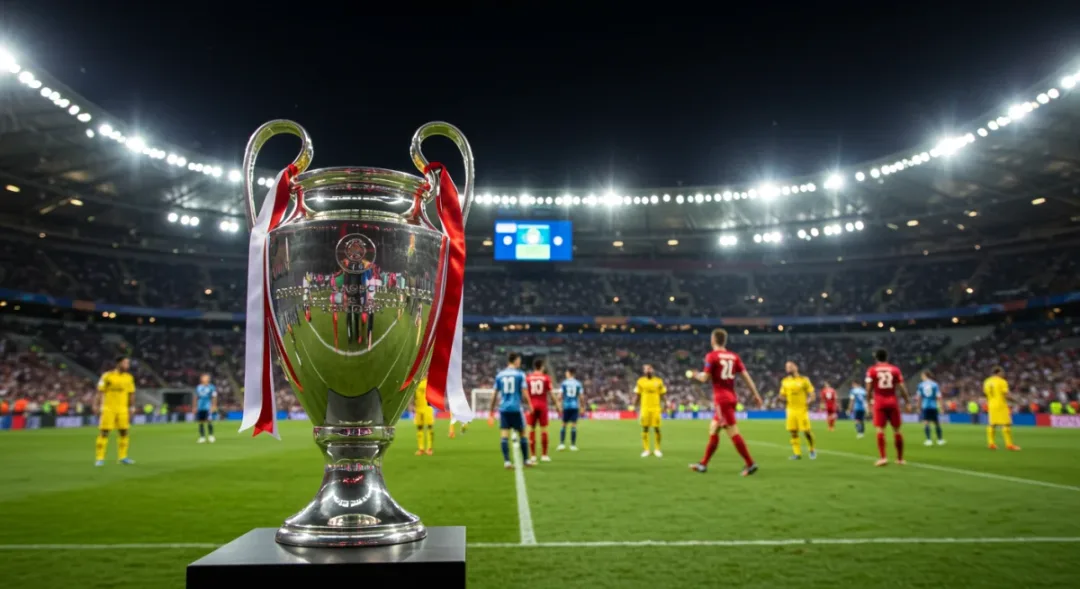
The 2026 European League Power Rankings provide an essential forecast of the continent’s elite football clubs, meticulously evaluating their current form, squad depth, and tactical prowess to predict their potential for triumph in the upcoming season.
As the 2026 football season approaches, anticipation builds across Europe. Fans and pundits alike are eager to see which clubs will dominate the continent’s most prestigious competitions. Our comprehensive analysis of The 2026 European League Power Rankings: Analyzing the Top 10 Teams and Their Chances for Glory delves deep into the form, talent, and strategic advantages that will define the next chapter of European football.
Understanding the Methodology Behind the Power Rankings
Creating accurate power rankings in football is a complex endeavor, requiring a multifaceted approach that goes beyond mere results. It’s about evaluating potential, current form, and the strategic underpinnings of each team. Our methodology for the 2026 European League Power Rankings considers a blend of objective data and expert analysis to provide a holistic view.
We scrutinize various factors, including recent domestic and international performances, squad depth and quality, managerial stability, and financial strength. Injuries, transfer market activity, and the integration of new players also play a crucial role in determining a team’s standing. Understanding these elements is key to appreciating why certain clubs are positioned where they are.
Key Performance Indicators
Several key performance indicators (KPIs) are fundamental to our ranking process. These metrics offer a data-driven perspective on a team’s capabilities and consistency.
- Recent Form: Analyzing results from the latter half of the previous season and pre-season friendlies provides insight into current momentum.
- Squad Value & Depth: Assessing the overall market value of players and the quality of backup options is crucial for sustained success.
- Tactical Adaptability: Teams that can switch formations and strategies effectively often perform better against diverse opposition.
- Managerial Acumen: The experience and tactical skill of the coaching staff can significantly influence a team’s trajectory.
Beyond statistics, qualitative factors such as team chemistry, leadership on the field, and the psychological resilience of players are also weighed. These less tangible aspects can often be the deciding factor in tight matches and long league campaigns. Our aim is to offer a balanced perspective that combines the measurable with the observable.
Ultimately, our methodology seeks to predict not just who is currently performing well, but who is best equipped to sustain that performance and challenge for major honors in the demanding 2026 European football season. This comprehensive approach ensures that our European League Power Rankings are both informed and insightful.
The Reigning Champions and Their Challengers: Top Contenders Emerge
The landscape of European football is constantly shifting, yet some clubs consistently find themselves at the pinnacle. As we look towards 2026, the question isn’t just who currently holds the titles, but who has built the foundation to continue their dominance or rise to challenge the established order. This section focuses on the teams that are poised to make the biggest impact.
Several clubs have demonstrated remarkable consistency and strategic foresight in their squad building and tactical evolution. These are the teams that possess not only star power but also the depth and cohesion required to navigate the grueling schedules of domestic leagues and continental competitions.
Analyzing Potential Dynasties
Some clubs appear to be on the cusp of establishing a new era of dominance, or continuing one already in progress. Their sustained success is often a testament to shrewd management, world-class talent identification, and robust financial backing.
- Manchester City: With unparalleled financial backing and a tactical mastermind in Pep Guardiola, City’s ability to refresh their squad and maintain high standards makes them perennial favorites. Their depth ensures they can compete on multiple fronts.
- Real Madrid: The kings of Europe possess an uncanny ability to attract and integrate generational talents. Their experience in knockout stages is invaluable, and their squad blends youthful exuberance with seasoned veterans.
- Bayern Munich: A model of consistency in Germany, Bayern’s disciplined approach to squad management and their relentless pursuit of excellence keeps them at the top. They rarely falter and often adapt quickly to new challenges.
Beyond these giants, clubs like Paris Saint-Germain, despite their historical struggles in the Champions League, consistently invest in top-tier talent, making them a formidable force. Similarly, resurgent teams from Serie A and the Premier League are building strong foundations to challenge for European supremacy. The blend of established powerhouses and ambitious challengers makes the 2026 season incredibly exciting, promising thrilling encounters and unexpected twists in the race for glory.
Tactical Innovations and Player Impact: Shaping the 2026 Season
Football is a game of constant evolution, and the 2026 season promises to showcase new tactical trends and the continued impact of individual brilliance. Teams that successfully integrate innovative strategies and maximize their star players’ potential will undoubtedly climb higher in the European League Power Rankings. The tactical battles between managers are becoming as captivating as the on-field action itself.
We are seeing a shift towards more fluid systems, where players are expected to be versatile and adaptable. The traditional roles are blurring, with full-backs becoming wingers, and midfielders dropping deep to initiate attacks. This tactical flexibility is a hallmark of many top-tier European clubs.

Emerging Tactical Trends
Forward-thinking coaches are constantly experimenting with formations and player roles to gain a competitive edge. These innovations often filter down through leagues, influencing the overall style of play.
- Hybrid Formations: Teams are increasingly adopting formations that can seamlessly transition between defensive and offensive shapes, such as a 3-2-5 in attack becoming a 4-4-2 in defense. This fluidity makes them harder to predict and counter.
- Positional Play (Juego de Posición) Evolution: The principles of positional play continue to evolve, with an even greater emphasis on creating overloads in specific areas and rapid ball circulation to break down defenses.
- High-Pressing Systems: The intensity of defensive pressing remains a crucial element, with teams employing sophisticated pressing traps to win the ball high up the pitch and launch quick counter-attacks.
The impact of individual players cannot be overstated. A single moment of brilliance can change the course of a match or even a season. Elite goalscorers, creative playmakers, and dominant defenders are the bedrock upon which successful teams are built. Their ability to perform under pressure, deliver in key moments, and maintain consistency over a long season is paramount. The synergy between tactical systems and individual talent is what truly elevates a team.
Ultimately, the 2026 European League season will be a testament to how effectively teams can blend astute tactical planning with the extraordinary capabilities of their players. Those who strike this balance best will be the ones lifting trophies.
Financial Muscle and Transfer Market Dynamics: Building for Glory
In modern football, financial strength and astute management of the transfer market are often as crucial as on-field performance. The ability to attract top talent, retain key players, and strategically invest in infrastructure plays a significant role in a club’s long-term success and its standing in the European League Power Rankings. The transfer window preceding the 2026 season will undoubtedly shape the fortunes of many contenders.
Clubs with substantial financial resources can not only sign world-class players but also offer competitive wages and invest in advanced training facilities, youth academies, and sports science. This holistic approach creates an environment conducive to sustained excellence.
Strategic Transfer Activity
The transfer market is a high-stakes game where clubs must balance immediate needs with future planning. A successful transfer strategy involves identifying undervalued talent, integrating new signings seamlessly, and offloading players efficiently.
- Targeted Reinforcements: Top clubs focus on signing players who perfectly fit their tactical system and address specific weaknesses, rather than just acquiring big names.
- Youth Development: Investing in and promoting promising academy graduates not only saves money but also fosters a strong club identity and provides a continuous pipeline of talent.
- Selling Wisely: Generating revenue from player sales allows clubs to reinvest and remain competitive under financial fair play regulations.
The economic impact of broadcasting rights, sponsorship deals, and merchandise sales continues to grow, further widening the gap between the wealthiest clubs and the rest. This financial disparity often translates into a competitive advantage on the pitch, as richer clubs can afford better players, coaches, and facilities. However, smart spending and intelligent scouting can still allow less affluent teams to compete, highlighting the importance of strategic decision-making.
As we approach 2026, observing which clubs make the most impactful and intelligent moves in the transfer market will be key to understanding their potential for glory. The interplay between financial muscle and strategic acumen is a defining characteristic of elite European football.
Emerging Threats and Dark Horses: Unexpected Contenders for 2026
While the established giants often dominate headlines, European football is also a stage for emerging threats and dark horses who can disrupt the status quo. These are the teams that, through smart management, exceptional talent development, or a sudden surge in form, could surprise many and climb significantly in the 2026 European League Power Rankings. Identifying these potential disruptors is crucial for a complete analysis.
These clubs often fly under the radar initially, building momentum through consistent performances and tactical discipline. They might not have the star power of the traditional elite, but their collective strength and unwavering spirit can make them incredibly dangerous opponents in any competition.
Clubs to Watch
Several teams have shown glimpses of potential or are undergoing transformations that could see them challenge for top honors. Their progress will be closely monitored.
- Borussia Dortmund: Known for their vibrant attacking football and ability to develop young stars, Dortmund consistently poses a threat. If they can maintain their key players and add defensive solidity, they could go deep in European competitions.
- Napoli: Following their recent domestic triumphs, Napoli has established itself as a formidable force. Their passionate fanbase and tactical prowess make them a tough opponent, especially at home. Sustaining their success will be the next challenge.
- Real Sociedad: A club that consistently performs well in La Liga, Real Sociedad combines a strong academy with smart transfers. Their cohesive team play and tactical intelligence could see them cause upsets in Europe.
The narrative of a ‘dark horse’ is often built on defying expectations. These teams leverage team spirit, innovative tactics, and the hunger of their players to overcome more financially dominant opponents. Their success stories are what make football so captivating, proving that money isn’t always the sole determinant of glory. As the 2026 season unfolds, the emergence of a new contender could add an extra layer of excitement and unpredictability to the European football landscape.
Predicting the Road to Glory: Challenges and Opportunities for Each Team
Predicting the path to glory for each team in the 2026 European League season involves more than just assessing their current strength; it requires an understanding of the challenges they face and the unique opportunities they might seize. Every club, from the reigning champions to the ambitious dark horses, will encounter distinct hurdles and moments that could define their season. This holistic view is essential for a nuanced understanding of the European League Power Rankings.
The road to European glory is arduous, demanding consistency, resilience, and a bit of luck. Teams must navigate demanding domestic schedules, cope with injuries, and perform under immense pressure in high-stakes continental matches. The tactical chess game played by managers adds another layer of complexity.
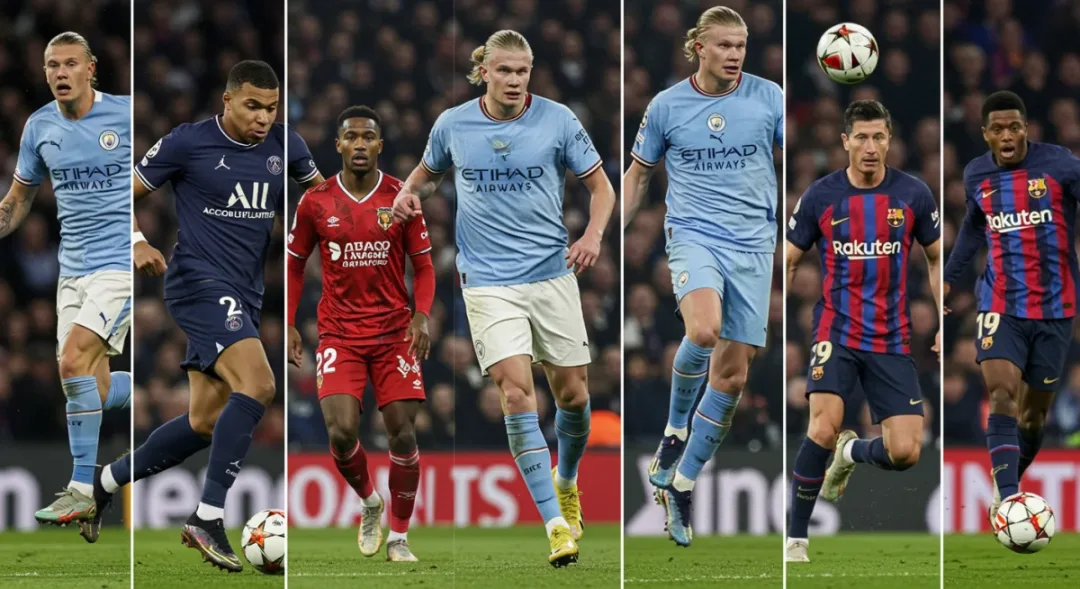
Navigating the Season’s Demands
Each club will face a unique set of challenges and opportunities that will dictate their success. Understanding these factors provides a clearer picture of their potential trajectory.
- Squad Rotation: Managing player fatigue and fitness across multiple competitions will be critical, especially for teams competing in the latter stages of the Champions League and domestic cup competitions.
- Injury Management: The ability to cope with key player injuries, either through squad depth or tactical adjustments, can make or break a season. Medical staff and sports scientists play an increasingly vital role.
- Psychological Resilience: Maintaining morale and focus after setbacks, and performing under the intense scrutiny of fans and media, is a huge test of character for players and coaching staff alike.
Opportunities often arise from unexpected places: a strong run of form, a favorable draw in a knockout competition, or the emergence of a new star player from the academy. Clubs that are proactive in adapting to these situations and capitalizing on unforeseen advantages are often the ones that exceed expectations. The ability to seize these moments can transform a good season into a legendary one.
Ultimately, the 2026 European League season will be a captivating narrative of ambition, struggle, and triumph. Each team’s journey will be unique, but those who best prepare for the challenges and smartly exploit their opportunities will be the ones to etch their names into football history.
| Key Aspect | Brief Description |
|---|---|
| Methodology | Combines data (form, squad value) with expert analysis (tactics, management) for holistic rankings. |
| Top Contenders | Established giants like Man City, Real Madrid, Bayern Munich are perennial favorites due to depth and strategy. |
| Tactical Trends | Emergence of hybrid formations, evolved positional play, and high-pressing systems define modern football. |
| Dark Horses | Clubs like Dortmund and Napoli could surprise, leveraging strong collective play and talent development. |
Frequently Asked Questions About the 2026 European League Season
What factors are most critical in determining a team’s success in the 2026 European League Power Rankings?▼Key factors include recent form, squad depth and quality, tactical adaptability, and managerial acumen. Financial stability, injury management, and successful transfer market activity also play significant roles in a team’s ability to compete at the highest level throughout the demanding season.
How do tactical innovations influence team performance in European competitions?▼Tactical innovations such as hybrid formations, evolved positional play, and sophisticated high-pressing systems allow teams to adapt and gain an edge. These strategies, combined with versatile players, make teams harder to predict and counter, contributing significantly to their success in competitive European leagues.
Which teams are considered the perennial favorites for European glory in 2026?▼Teams like Manchester City, Real Madrid, and Bayern Munich consistently rank among the top favorites. Their strong financial backing, world-class squads, experienced management, and proven track records in both domestic and international competitions position them as leading contenders year after year for European titles.
Can ‘dark horse’ teams realistically challenge for major European titles in 2026?▼Yes, ‘dark horse’ teams such as Borussia Dortmund or Napoli can absolutely challenge. While they might not have the same financial might as the giants, their strong team cohesion, smart tactical approaches, excellent player development, and ability to perform under pressure can lead to significant upsets and deep runs in competitions.
What role does the transfer market play in shaping the 2026 European League Power Rankings?▼The transfer market is crucial. Strategic acquisitions that fill specific tactical needs, retaining key players, and developing youth talent directly impact a team’s strength. Shrewd transfer activity can elevate a team’s standing, while poor decisions can significantly hinder their chances of success and affect their rankings.
Conclusion: The Unpredictable Road to European Supremacy
As we conclude our analysis of The 2026 European League Power Rankings, it’s clear that the upcoming season promises to be a thrilling spectacle of footballing excellence. While established powerhouses will undoubtedly aim to maintain their dominance, the rise of ambitious challengers and the continuous evolution of tactics ensure that the path to glory will be anything but predictable. Success will hinge on a delicate balance of individual brilliance, tactical innovation, astute management, and the sheer resilience required to navigate the demanding schedule. The beauty of European football lies in its unpredictability, and 2026 is set to deliver another unforgettable chapter in the quest for continental supremacy.