Modern Full-Backs: Redefining Roles in European Football by 2026
Advertisements
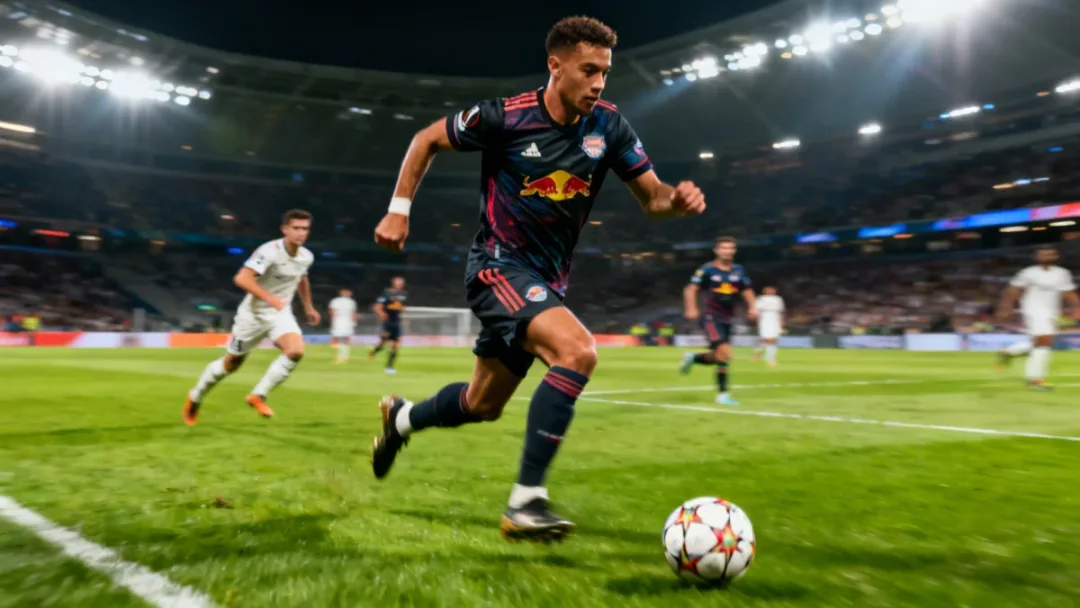
The rise of the modern full-back by 2026 highlights players who combine robust defensive capabilities with significant offensive contributions, fundamentally altering tactical approaches in European football and demanding unprecedented versatility.
In the ever-evolving landscape of European football, the role of the full-back has undergone a dramatic transformation. No longer confined to merely defensive duties, these players are now pivotal to both stifling opposition attacks and spearheading offensive maneuvers. This article delves into the rise of the modern full-back: 3 European players redefining offensive and defensive roles by 2026, examining how their unique skill sets are shaping the future of the beautiful game.
The tactical evolution of the full-back position
The traditional full-back role, primarily focused on man-marking and preventing wide play, has fundamentally shifted. Modern football demands more from these wide defenders, pushing them into roles that necessitate exceptional athleticism, tactical intelligence, and a broad range of technical abilities. This evolution isn’t merely incremental; it’s a paradigm shift that has redefined team structures across Europe’s elite leagues.
Teams now rely heavily on their full-backs to provide width in attack, create overloads in midfield, and even contribute to goal-scoring opportunities. Defensively, they are expected to track back tirelessly, participate in high pressing schemes, and maintain defensive solidity. This dual responsibility requires a rare blend of attributes, making the modern full-back one of the most demanding positions on the pitch.
From defensive anchors to offensive catalysts
- Increased Attacking Output: Full-backs are now routinely among the top assist providers in their teams, often venturing deep into the final third.
- Positional Fluidity: Many modern full-backs are comfortable playing as inverted full-backs, wing-backs, or even temporarily stepping into midfield roles.
- Pressing Intensity: Their role in initiating and sustaining high presses from wide areas is crucial for many contemporary defensive strategies.
The demands placed on these players mean that scouting and player development have also adapted, looking for athletes who can seamlessly transition between phases of play. This tactical evolution underscores why the full-back position is so critical to success in modern European football.
Player profile 1: the attacking dynamo
Our first standout player embodies the attacking prowess now expected from modern full-backs. This individual consistently demonstrates an uncanny ability to turn defense into attack within moments, often being the catalyst for significant goal-scoring chances. Their statistical output in terms of assists and even goals is comparable to many traditional wingers, showcasing a complete reimagining of what a full-back can achieve.
Their playing style is characterized by incisive overlapping runs, intelligent movement off the ball, and a cross delivery that can dissect even the most organized defenses. This player’s vision and decision-making in the final third are exceptional, allowing them to consistently put teammates in advantageous positions. Furthermore, their comfort on the ball under pressure enables them to retain possession and dictate tempo from wide areas.
Key offensive contributions
- Crossing Accuracy: Possesses one of the highest crossing accuracy rates in top European leagues, essential for creating chances.
- Dribbling Skills: Capable of beating defenders one-on-one, creating space and drawing fouls in dangerous areas.
- Chance Creation: Regularly produces ‘key passes’ that lead directly to shots on goal, demonstrating their playmaking ability.
While their offensive contributions are undeniable, this player also possesses the stamina and discipline to track back effectively, ensuring their adventures forward do not leave their team vulnerable. This balance is a hallmark of the elite modern full-back.
Player profile 2: the defensive rock with offensive flair
The second player we highlight represents the perfect blend of defensive solidity and intelligent offensive contribution. This individual is a nightmare for opposing wingers, consistently shutting down attacks with impeccable timing, strength, and positional awareness. Yet, they are far from a purely defensive presence; their offensive contributions, while perhaps not as flashy as the attacking dynamo, are equally vital to their team’s success.
Their ability to read the game defensively is second to none, allowing them to anticipate passes and intercept play before danger materializes. They excel in one-on-one duels, rarely being beaten, and their tackling is both fierce and precise. When their team is in possession, this full-back makes intelligent runs to support the attack, often providing critical outlets or contributing to build-up play with accurate short passes and occasional long balls.
Balancing defensive duties with attacking impact
This player’s effectiveness lies in their ability to know when to push forward and when to hold back, a nuanced understanding of the game that comes from experience and tactical acumen. They provide a stable base from which their team can launch attacks, knowing that their flank is secure. Their offensive contributions often involve:
- Precise Passing: High pass completion rates, especially in defensive and midfield zones, maintaining possession under pressure.
- Underlapping Runs: Often makes intelligent runs into central areas to create overloads or draw defenders, opening space for wingers.
- Set-Piece Delivery: Capable of delivering dangerous balls from corners and free-kicks, adding another dimension to their team’s attack.
This type of full-back is invaluable to coaches who prioritize defensive stability without sacrificing the potential for attacking width and creativity. Their consistent, high-level performances on both ends of the pitch make them a cornerstone of any successful team.
Player profile 3: the inverted full-back innovator
Our third player exemplifies the innovative tactical role of the inverted full-back, a position that has gained significant prominence in recent years. This player doesn’t hug the touchline in attack but rather drifts into central midfield areas when their team has possession, creating numerical superiority in the middle of the park and acting as an additional playmaker. This tactical flexibility provides a unique challenge for opposition teams, often disrupting their defensive structures.
When inverting, this full-back displays exceptional passing range, vision, and composure under pressure, effectively operating as a deep-lying midfielder. Their ability to switch play, break lines with through balls, and recycle possession is crucial for maintaining control and building attacks. Defensively, they are quick to transition back to their wide position, showing excellent recovery pace and defensive awareness to cover their flank.
Impact of the inverted role
The inverted full-back role requires a player with a unique blend of attributes, combining the defensive discipline of a full-back with the technical and tactical qualities of a central midfielder. Their impact is multifaceted:
- Midfield Overload: Creates a numerical advantage in central areas, facilitating smoother build-up play and ball retention.
- Defensive Stability: Can screen the defense from central positions when possession is lost, aiding in counter-pressing efforts.
- Unpredictability: Adds an element of surprise to attacks, as opponents struggle to mark a player who shifts between wide and central zones.
This tactical innovation, and the players who master it, are crucial for teams looking to dominate possession and control the tempo of games, making the inverted full-back a truly modern football phenomenon.
Training and development for future full-backs by 2026
The evolving demands on full-backs mean that training and development programs must adapt to cultivate a new generation of versatile players. Academies and clubs are increasingly focusing on holistic development, emphasizing not just physical attributes but also tactical intelligence, technical versatility, and psychological resilience. The goal is to produce players who are equally adept at defending their own box as they are at delivering a pinpoint cross into the opponent’s area.
Modern training regimens for full-backs incorporate a wide array of exercises designed to improve:
Key development areas
- Technical Skills: Drills focusing on passing, crossing, dribbling, and ball control, often under high-pressure scenarios.
- Tactical Understanding: Extensive video analysis and on-field drills to teach positional awareness, defensive shape, and offensive movement patterns.
- Physical Conditioning: High-intensity interval training, strength and power development, and endurance work to cope with the relentless demands of the position.
- Cognitive Processing: Exercises to improve decision-making speed and spatial awareness in rapidly changing game situations.
The emphasis is on creating adaptive players who can seamlessly integrate into various tactical systems and perform effectively in multiple roles within the full-back spectrum. This forward-thinking approach is essential to producing the next wave of elite European full-backs.
The impact on team tactics and future football
The rise of these modern full-backs has had a profound impact on overall team tactics, forcing managers to rethink formations, defensive structures, and attacking strategies. Teams can now deploy wider forwards or inside wingers, knowing that their full-backs will provide the necessary width and defensive cover. This tactical fluidity makes teams less predictable and more dynamic, leading to more exciting and complex football.
Looking ahead to 2026 and beyond, the trend towards even more versatile and technically gifted full-backs is likely to continue. The position will likely integrate further elements from central midfield and attacking roles, blurring the lines between traditional positions. This evolution promises a future where full-backs are not just key players, but often the most influential figures on the pitch, dictating the flow of the game and contributing significantly to both ends.
Future trends and considerations
- Increased Data Analytics: Greater use of performance data to identify and develop full-backs with specific skill sets aligned to team philosophies.
- Specialized Coaching: Dedicated coaching for full-backs focusing on their unique dual-role requirements.
- Player Interchangeability: The ability for full-backs to easily swap positions or roles within a game, offering greater tactical flexibility.
The era of the specialized full-back is giving way to the era of the all-rounder, a player capable of influencing every phase of play. This shift will continue to shape how football is played and how teams are constructed at the highest levels of the sport.
| Key Aspect | Description |
|---|---|
| Evolving Role | Full-backs now critical for both defense and offense, demanding high versatility. |
| Attacking Dynamo | Players excelling in offensive output, creating chances and delivering crosses. |
| Inverted Full-Back | Tactical innovation where full-backs move centrally to influence midfield play. |
| Future Development | Holistic training focusing on technical, tactical, and physical versatility. |
Frequently asked questions about modern full-backs
What defines a modern full-back compared to traditional ones?▼Modern full-backs are characterized by their significant contributions to both offensive and defensive phases, unlike traditional full-backs who primarily focused on defensive duties. They are expected to provide width, create chances, and participate in build-up play while maintaining defensive solidity.
How do inverted full-backs impact team strategy?▼Inverted full-backs move into central midfield when their team has possession, creating numerical superiority and acting as additional playmakers. This helps control the midfield, facilitates smoother build-up, and adds an element of unpredictability to attacks, challenging opponent marking schemes.
What key skills are essential for a modern full-back by 2026?▼Essential skills include exceptional athleticism, tactical intelligence, advanced technical abilities (passing, crossing, dribbling), and strong defensive awareness. Versatility, decision-making under pressure, and stamina are also crucial for excelling in this demanding role.
Are modern full-backs more prone to defensive errors due to offensive duties?▼While increased offensive roles can create defensive vulnerabilities, elite modern full-backs possess the discipline and speed to transition effectively. Their tactical awareness and recovery pace minimize defensive errors, making them reliable in both phases of play.
How has player development adapted to the modern full-back role?▼Academies now focus on holistic development, emphasizing tactical understanding, technical versatility, physical conditioning, and cognitive processing. Training programs are designed to create adaptive players who can perform multiple roles and integrate into various tactical systems seamlessly.
Conclusion
The transformation of the full-back position stands as one of the most significant tactical shifts in modern European football. The emergence of players who master both offensive and defensive responsibilities has not only redefined individual roles but also reshaped team dynamics and strategic approaches. As we look towards 2026, the influence of these versatile athletes will only grow, continuing to blur traditional positional boundaries and driving the sport into an even more dynamic and exciting future. Their ability to deliver consistent high-level performances across the pitch makes them indispensable assets for any ambitious club.