Injury Prevention in European Football: 3 Cutting-Edge Methods
Advertisements
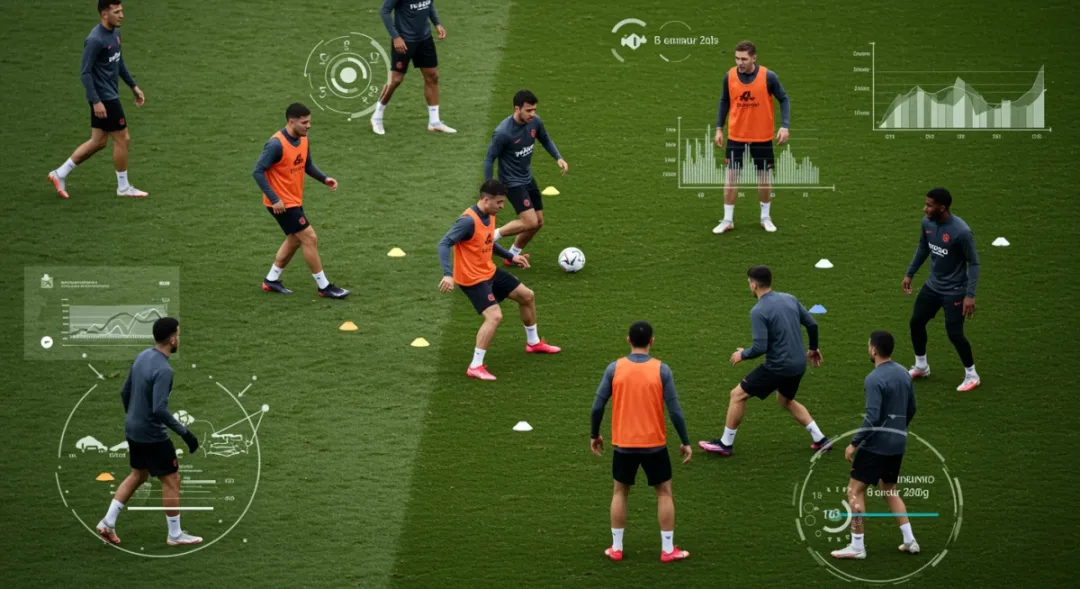
European football clubs are significantly reducing player downtime by up to 25% this season through the implementation of advanced data analytics, highly personalized training regimes, and sophisticated acute-to-chronic workload management systems.
The relentless pace of modern European football demands peak physical condition from its athletes. In this high-stakes environment, football injury prevention has become a paramount concern, directly impacting team performance and financial stability. Clubs are increasingly turning to innovative strategies to keep their star players on the pitch and minimize time lost to injuries. This season, a noticeable trend has emerged: European teams are leveraging three cutting-edge methods that are demonstrably reducing player downtime by as much as 25%, revolutionizing how player welfare is managed across the continent.
The Rise of Advanced Data Analytics in Player Health
Modern football is awash with data, and smart clubs are now harnessing this information to predict, prevent, and mitigate injuries with unprecedented precision. Gone are the days when injury prevention relied solely on anecdotal evidence or generalized training protocols. Today, sophisticated algorithms analyze vast datasets to identify individual player risk factors, optimize recovery, and tailor interventions.
This approach moves beyond simple statistics, delving into complex patterns to understand the ‘why’ behind injuries. By integrating data from various sources, clubs can build a holistic profile for each player, allowing for proactive adjustments rather than reactive treatments. The goal is to catch potential issues before they escalate, transforming injury prevention from an art into a science.
Predictive Modeling for Injury Risk
One of the most impactful applications of data analytics is predictive modeling. This involves using historical data on player performance, training loads, match intensity, and even biometric markers to forecast an individual’s susceptibility to certain injuries. Machine learning algorithms can identify subtle correlations that human observation might miss.
- Historical Injury Data: Analyzing past injuries, their types, locations, and recovery times for each player.
- Biomechanical Screening: Identifying movement asymmetries or weaknesses through detailed motion capture analysis.
- Genetic Predisposition: In some advanced cases, genetic markers are being explored to understand inherent injury risks.
- Environmental Factors: Considering pitch conditions, travel fatigue, and even weather patterns in risk assessment.
These models provide coaches and medical staff with actionable insights, allowing them to modify training schedules, recommend specific strengthening exercises, or even adjust playing time to reduce risk. The precision offered by predictive analytics is a game-changer for maintaining player availability.
Performance Monitoring and Early Warning Systems
Beyond predicting future risks, data analytics offers real-time monitoring capabilities. Wearable technology, GPS trackers, and advanced camera systems continuously collect data on player movements, heart rate, acceleration, deceleration, and impact forces during training and matches. This constant stream of information feeds into sophisticated dashboards.
Early warning systems are designed to flag deviations from a player’s baseline performance or physiological responses. For instance, a sudden drop in power output during a sprint or an unusually high heart rate variability might indicate impending fatigue or a heightened risk of muscle strain. These alerts allow medical teams to intervene swiftly, often preventing minor issues from becoming season-ending injuries.
The integration of these systems means that player welfare is no longer an afterthought but an intrinsic part of daily operations. Clubs that invest heavily in sports science and data analytics are consistently seeing lower injury rates and quicker returns to play for their athletes. This data-driven approach is proving to be a cornerstone of modern football injury prevention.
Personalized Training Regimes and Individualized Conditioning
The era of one-size-fits-all training programs is rapidly fading in elite European football. Recognizing that each athlete possesses unique physiological characteristics, injury histories, and positional demands, clubs are now implementing highly personalized training regimes and individualized conditioning plans. This tailored approach is crucial for optimizing performance while simultaneously minimizing injury risk.
Individualization allows for a nuanced understanding of a player’s specific needs, addressing their weaknesses, enhancing their strengths, and ensuring that training stimuli are appropriate for their current physical state. It’s about moving from a general prescription to a precise, adaptive program that evolves with the athlete.
Tailoring Strength and Conditioning Programs
Generic strength and conditioning can often lead to imbalances or overload specific areas, increasing injury susceptibility. Personalized programs begin with comprehensive assessments, including biomechanical evaluations, strength testing, and functional movement screens. These assessments identify individual deficiencies, such as tight hamstrings, weak glutes, or unstable ankles.
- Targeted Strengthening: Focusing on muscles identified as weak or prone to injury for a specific player (e.g., eccentric hamstring training for players with previous hamstring strains).
- Movement Correction: Implementing exercises to improve movement patterns and reduce inefficient or risky mechanics.
- Neuromuscular Training: Enhancing proprioception, balance, and coordination to improve stability and reaction time, particularly crucial in dynamic football movements.
- Flexibility and Mobility: Designing routines to maintain optimal joint range of motion, reducing stiffness and improving muscle elasticity.
These bespoke programs ensure that every minute spent in the gym or on the training pitch directly contributes to the player’s robust health and performance. It prevents overtraining in some areas while neglecting others, a common pitfall of less individualized approaches.
Nutrition and Recovery Protocols
Beyond physical conditioning, personalized approaches extend to nutrition and recovery. What works for one player might not be optimal for another, given differences in metabolism, body composition, and training load. Nutritional plans are now often tailored to a player’s energy expenditure, body fat goals, and specific dietary needs or intolerances.

Recovery protocols are also individualized. This might include specific sleep strategies, hydrotherapy routines, massage schedules, and even mental well-being support tailored to a player’s stress levels and psychological profile. Adequate and personalized recovery is as vital as the training itself, allowing the body to adapt and repair, thus reducing the risk of fatigue-related injuries.
By understanding and addressing the unique physiological and lifestyle factors of each player, clubs can create an environment that maximizes their potential while rigorously protecting them from harm. This individualized approach is a cornerstone of effective football injury prevention in elite sport.
Sophisticated Workload Management and Recovery Optimization
Managing the physical demands placed on players is perhaps the most critical aspect of injury prevention in European football. The concept of ‘workload management’ has evolved significantly, moving beyond simple minutes played to a complex science that balances acute stress with chronic adaptation, ensuring players are optimally conditioned without being overstressed.
This sophisticated approach involves meticulous monitoring of both external load (e.g., distance covered, sprints, accelerations) and internal load (e.g., heart rate, perceived exertion, physiological responses). The goal is to find the ‘sweet spot’ where training is intense enough to promote adaptation but not so intense as to cause excessive fatigue or breakdown.
Acute-to-Chronic Workload Ratio
A key metric in modern workload management is the acute-to-chronic workload ratio. Acute workload refers to the load accumulated over a short period (e.g., one week), while chronic workload represents the average load over a longer period (e.g., four weeks). Maintaining an optimal ratio between these two is vital.
- Optimal Ratio: A ratio generally between 0.8 and 1.3 is often considered ideal, indicating a gradual and sustainable increase in training load.
- Spikes in Acute Load: Ratios significantly above 1.3, indicating a sudden increase in training intensity or volume, are strongly correlated with increased injury risk.
- Undertraining: Ratios significantly below 0.8 can also be problematic, as players may not be sufficiently conditioned for match demands, leading to injuries when intensity spikes.
- Individualized Thresholds: Each player may have a slightly different optimal range based on their fitness level, injury history, and position.
Coaches use this ratio to guide training prescription, ensuring that increases in intensity or volume are gradual and planned, allowing the player’s body to adapt safely. This proactive management dramatically reduces the likelihood of non-contact soft tissue injuries, which are often a result of sudden overload.
Technological Integration for Real-Time Monitoring
The effectiveness of workload management relies heavily on accurate, real-time data collection. GPS trackers, accelerometers, and heart rate monitors are standard equipment in elite football. These devices provide granular data on every movement a player makes during training and matches.

Sophisticated software platforms integrate this data, presenting it in easily digestible formats for coaches and medical staff. They can see a player’s total distance, high-speed running, sprint distance, accelerations, decelerations, and metabolic power output. This allows for immediate adjustments during a session or modifications to the next day’s training plan.
Furthermore, subjective measures like Rate of Perceived Exertion (RPE) and daily wellness questionnaires (monitoring sleep quality, muscle soreness, stress levels) are combined with objective data. This comprehensive approach provides a complete picture of a player’s fatigue and recovery status, enabling precise interventions to prevent overload and optimize readiness for competition. This integrated system is fundamental to robust football injury prevention.
The Role of Medical and Performance Staff Collaboration
Effective injury prevention in European football is not solely about technology or individual programs; it’s deeply rooted in seamless collaboration between medical, coaching, and performance staff. The synergy between these departments ensures that all aspects of a player’s health and performance are considered, leading to more informed decisions and a truly holistic approach.
Historically, these departments often operated in silos, but the modern game demands an integrated model where information flows freely and strategies are co-developed. This interdisciplinary teamwork is crucial for translating data insights into practical, on-field applications and for making timely adjustments to training and recovery plans.
Integrated Performance Teams
Many top European clubs now employ integrated performance teams, comprising head coaches, assistant coaches, sports scientists, physiotherapists, doctors, strength and conditioning coaches, nutritionists, and even sports psychologists. Each member brings specialized expertise, but they all work towards a common goal: maximizing player availability and performance.
- Daily Briefings: Regular meetings where data from training, matches, and wellness reports are reviewed and discussed collaboratively.
- Shared Platforms: Utilizing centralized software platforms that allow all staff to access player data, training plans, and medical records in real-time.
- Cross-Departmental Training: Ensuring that each specialist has a basic understanding of other disciplines to facilitate better communication and decision-making.
- Individualized Player Plans: Jointly developing comprehensive plans for each player that integrate physical, tactical, technical, and psychological aspects.
This collaborative structure ensures that no single factor is overlooked and that any potential injury risk is identified and addressed from multiple perspectives. It creates a robust support system around the player, fostering trust and open communication.
Communication and Education for Players
For injury prevention strategies to be truly effective, players themselves must be active participants. This requires clear and consistent communication from the performance team, educating players about the ‘why’ behind certain training decisions, recovery protocols, and nutritional guidelines. When players understand the rationale, they are more likely to adhere to the programs.
Empowering players with knowledge about their own bodies, their injury risks, and the benefits of specific preventative measures fosters a sense of ownership over their health. This includes teaching them how to interpret their own performance data, recognize signs of fatigue, and communicate any concerns promptly. An informed player is a more resilient player, making communication a vital, often underestimated, tool in football injury prevention.
The Impact on Team Performance and Player Longevity
The adoption of these cutting-edge injury prevention methods is not merely about player welfare; it has a direct and profound impact on team performance and the overall sustainability of a club. A healthier squad means more consistent selection, stronger on-field chemistry, and ultimately, a better chance of achieving competitive success. The financial implications are also significant, as player absences due to injury can be incredibly costly.
Beyond immediate results, these strategies contribute to the long-term careers of athletes. By systematically reducing the wear and tear on their bodies and mitigating injury risks, players can maintain peak performance for longer, extending their professional playing years and maximizing their potential earnings.
Competitive Advantage and Financial Gains
Clubs that effectively implement advanced injury prevention gain a significant competitive edge. Having a larger proportion of their squad available for selection, especially during congested fixture periods, allows for greater tactical flexibility and maintains team cohesion. This directly translates to more points, better cup runs, and potentially, higher league finishes.
- Reduced Medical Costs: Fewer serious injuries mean lower costs associated with treatment, rehabilitation, and specialist consultations.
- Optimized Squad Value: Healthy, consistently performing players retain and increase their market value, benefiting the club in transfer windows.
- Increased Fan Engagement: Star players on the pitch more often lead to better performances, higher attendance, and stronger fan loyalty.
- Player Attraction: Clubs known for their excellent player welfare and injury prevention programs become more attractive destinations for top talent.
The investment in sports science and medical infrastructure, while substantial, yields considerable returns, making it a strategic imperative for ambitious European clubs. The reduction in player downtime by 25% is a tangible metric that underscores this value.
Extending Player Careers and Well-being
From a player’s perspective, effective injury prevention is invaluable. It means fewer painful rehabilitation periods, less psychological stress associated with being sidelined, and more time doing what they love – playing football at the highest level. The ability to play consistently and perform at their best can significantly extend a player’s career, allowing them to achieve more milestones and secure greater financial stability.
Furthermore, a proactive approach to health contributes to a player’s overall well-being, both during and after their professional career. By minimizing severe injuries and managing chronic issues, these methods help ensure that athletes can transition into life after football with greater physical health and fewer long-term complications. This holistic care is a testament to the evolving understanding of athlete management in elite sport, making football injury prevention a key component of player longevity.
Challenges and Future Directions in Injury Prevention
While European football has made tremendous strides in injury prevention, the journey is ongoing, and challenges remain. The dynamic nature of the sport, coupled with ever-increasing demands, means that clubs must continuously innovate and adapt their strategies. Understanding these challenges and anticipating future directions is essential for maintaining and improving player welfare in the years to come.
The goal is not just to react to new injury patterns but to proactively research and implement solutions that keep pace with the evolving physical and tactical landscape of the game. This requires a commitment to ongoing scientific inquiry, technological advancement, and a willingness to embrace new methodologies.
Overcoming Data Overload and Integration Issues
One significant challenge is managing the sheer volume of data generated. While data is powerful, without proper analysis and integration, it can become overwhelming and less useful. Ensuring that data from various sources (GPS, medical, physiological, subjective) can be seamlessly combined and interpreted requires sophisticated IT infrastructure and skilled data scientists.
- Standardization: Developing consistent protocols for data collection and reporting across different departments and even between clubs.
- Actionable Insights: Translating raw data into clear, concise, and actionable recommendations for coaches and medical staff.
- Privacy Concerns: Navigating ethical considerations and data privacy regulations related to sensitive player information.
- Cost of Technology: The significant investment required for cutting-edge hardware and software can be a barrier for smaller clubs.
The future will likely see even more advanced AI and machine learning tools that can sift through this data more efficiently, identifying complex patterns and offering predictive insights with even greater accuracy, further enhancing football injury prevention efforts.
Emerging Technologies and Holistic Approaches
The horizon of injury prevention is continually expanding with new technologies and a deeper understanding of human physiology. Areas such as advanced imaging techniques, personalized pharmacogenomics (studying how genes affect a person’s response to drugs), and even mental health screening are becoming increasingly relevant.
There’s a growing recognition that injury is not just a physical event but can be influenced by psychological stress, sleep deprivation, and nutritional deficiencies. Future prevention strategies will likely adopt even more holistic approaches, integrating mental well-being support, detailed sleep tracking, and microbiome analysis into standard protocols. The aim is to create an environment where every aspect of a player’s life contributes to their resilience and reduces their susceptibility to injury, ensuring the continued evolution of football injury prevention practices.
| Key Method | Brief Description |
|---|---|
| Advanced Data Analytics | Utilizes predictive modeling and real-time monitoring to identify individual injury risks and optimize interventions. |
| Personalized Training | Tailors strength, conditioning, nutrition, and recovery plans to each player’s unique physiological needs. |
| Sophisticated Workload Management | Monitors acute-to-chronic load ratios and uses real-time tech to prevent overtraining and ensure optimal adaptation. |
| Interdisciplinary Collaboration | Seamless teamwork between medical, coaching, and performance staff for holistic player welfare. |
Frequently Asked Questions About Football Injury Prevention
What are the primary benefits of advanced injury prevention methods in football?▼The primary benefits include significantly reduced player downtime, enhanced on-field performance, extended player careers, and substantial financial savings for clubs due to fewer medical costs and improved squad availability. It ensures players remain at peak physical condition more consistently.
How does data analytics contribute to reducing injuries?▼Data analytics uses predictive modeling and real-time performance monitoring to identify individual player risk factors. By analyzing historical data, biomechanics, and daily metrics, clubs can proactively adjust training and recovery, preventing injuries before they occur and optimizing player health.
Why is personalized training more effective than general training?▼Personalized training addresses each player’s unique physiological needs, injury history, and positional demands. It targets individual weaknesses, optimizes strengths, and ensures appropriate training stimuli, which leads to better adaptation, reduced imbalances, and a lower overall risk of injury compared to generic programs.
What is the acute-to-chronic workload ratio, and why is it important?▼The acute-to-chronic workload ratio compares short-term training load to long-term average load. Maintaining an optimal ratio prevents sudden spikes in intensity that are strongly linked to increased injury risk. It ensures gradual adaptation, keeping players conditioned without overstressing their bodies.
How do clubs ensure effective collaboration among staff for injury prevention?▼Clubs foster collaboration through integrated performance teams, daily briefings, shared data platforms, and cross-departmental training. This ensures seamless information flow between medical, coaching, and performance staff, leading to holistic player management and informed decision-making for injury prevention.
Conclusion
The landscape of European football is continuously evolving, and with it, the strategies clubs employ to maintain their competitive edge. The significant reduction in player downtime by 25% this season through cutting-edge football injury prevention methods underscores a pivotal shift towards a more scientific, individualized, and collaborative approach to athlete welfare. By embracing advanced data analytics, highly personalized training regimes, and sophisticated workload management, clubs are not only safeguarding their most valuable assets but also elevating the standard of play and ensuring a healthier, more sustained future for their athletes. This proactive paradigm is setting new benchmarks for player care and performance optimization across the sport.