Tactical Shifts: European Comebacks in 6 Weeks
Advertisements
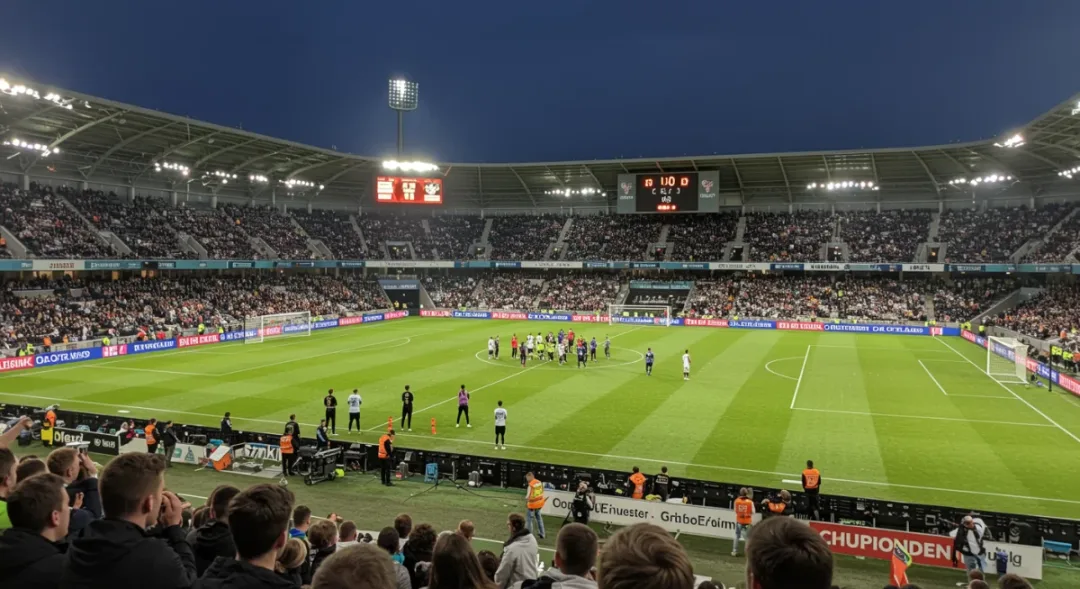
Over the past six weeks, European football has witnessed several astonishing comebacks, primarily driven by three distinct tactical shifts: aggressive high pressing, strategic substitutions altering formations, and a mental fortitude fueled by direct attacking play.
In the unpredictable world of European football, few things captivate fans more than a dramatic comeback. Over the past six weeks, we’ve seen several jaw-dropping turnarounds, making us wonder: what exactly changed? This article is dedicated to analyzing the 3 key tactical shifts that led to major comebacks in European highlights from the past 6 weeks, examining the strategic masterstrokes that transformed seemingly lost causes into glorious victories.
The High Press: A Weapon of Disruption
The high press, a tactical approach where teams push their defensive line high up the pitch and aggressively pressure opponents in their own half, has been a recurring theme in recent European comebacks. This strategy isn’t new, but its execution in critical moments has proven to be a game-changer, disrupting build-up play and forcing errors.
When a team is trailing, especially by a significant margin, conventional wisdom often suggests a more cautious approach to avoid further concession. However, the recent trend shows an increasing willingness among coaches to gamble on an intensified high press, turning defense into a potent form of attack.
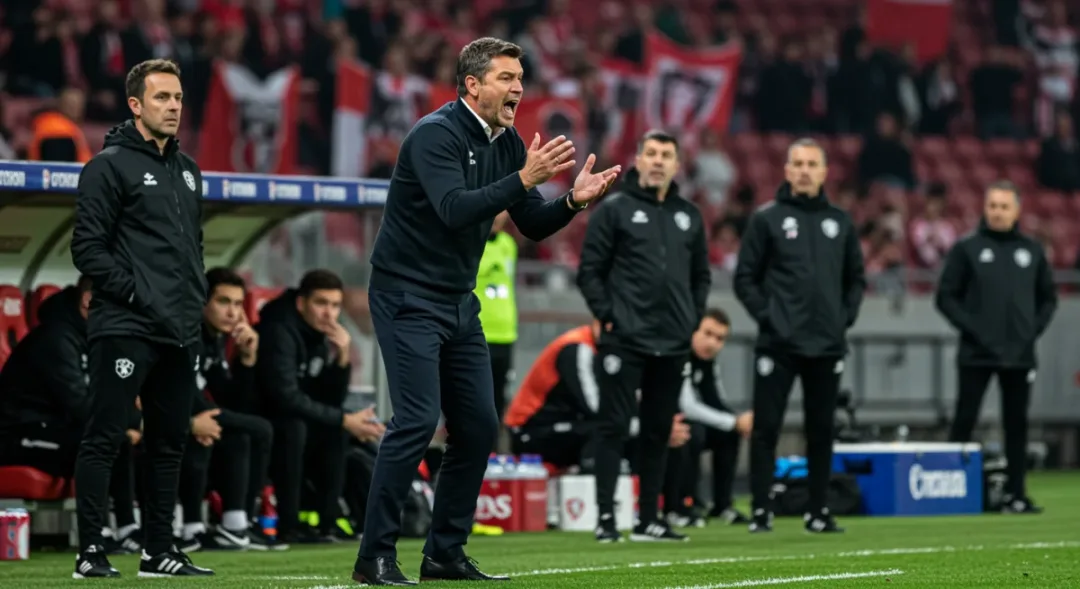
The psychological impact of a relentless high press cannot be overstated. Opposing defenders, under constant pressure, are more prone to miscommunication, errant passes, and hasty decisions, which can directly lead to turnovers in dangerous areas. This creates rapid transition opportunities, often catching the defending team out of position and vulnerable.
Implementing the High Press Effectively
Successful implementation of a high press requires more than just energy; it demands coordination, discipline, and stamina. Teams that execute it well often do so with specific triggers and well-drilled patterns of movement.
- Coordinated Movement: Players must move as a unit, closing down passing lanes and isolating the ball carrier.
- Aggressive Engagement: Individual players need to be brave and decisive in their challenges, aiming to win the ball or force a mistake.
- Stamina and Conditioning: Sustaining a high press for extended periods is physically demanding, requiring exceptional fitness levels from the squad.
- Positional Awareness: Players must maintain their shape to avoid leaving gaping holes behind the press, which can be exploited by long balls.
Many coaches, when seeking a comeback, introduce fresh legs specifically to inject this intensity, allowing them to maintain the high-energy demands of the press. This tactical shift not only creates scoring chances but also stifles the opponent’s ability to control possession and dictate the tempo of the game, effectively shifting momentum.
The high press, when executed with precision and commitment, transforms a team’s defensive posture into an offensive weapon, proving instrumental in several remarkable European comebacks over the past six weeks. It demonstrates a proactive mindset that refuses to concede defeat, instead actively seeking to reclaim control and dictate the narrative of the match.
Strategic Substitutions and Formation Changes
Another critical factor in recent European comebacks has been the astute use of substitutions coupled with fundamental formation changes. Coaches are increasingly demonstrating a keen ability to read the game, identify weaknesses, and introduce personnel or structural alterations that dramatically swing the momentum.
Often, a team falling behind might be struggling with a particular matchup, a lack of creativity in midfield, or an inability to contain the opponent’s attacking threats. The introduction of fresh players, especially those with different skill sets, can immediately address these issues. More importantly, when these substitutions are accompanied by a shift in tactical formation, their impact is magnified.
For instance, a coach might switch from a 4-3-3 to a 3-5-2, introducing an extra attacker or wing-back to create numerical superiority in wide areas or central midfield. This not only changes the dynamics of their own team but also forces the opposition to adapt, often creating confusion and opening up space.
Impact of Tactical Adjustments
- Altering Matchups: Bringing on a faster winger against a tired full-back, or a more physical striker to challenge weary central defenders.
- Injecting Creativity: Introducing a playmaking midfielder to unlock stubborn defenses with incisive passes.
- Strengthening Defense/Midfield: Sometimes, a tactical substitution might be to solidify the midfield, allowing more freedom for attackers already on the pitch, or to shore up a leaky defense.
- Psychological Boost: New players often bring fresh energy and a renewed sense of urgency, which can be contagious for the entire team.
We’ve observed instances where a team struggling to break down a compact defense suddenly finds joy after a coach replaces a defensive midfielder with an attacking one, or shifts a wide player into a more central role. These changes are not random; they are calculated risks designed to exploit specific vulnerabilities that emerge as the game progresses and players tire.
The art of the tactical substitution lies in its timing and the coach’s foresight. When executed perfectly, these changes can disrupt the opponent’s rhythm, create new attacking avenues, and provide the much-needed impetus for a comeback, turning a passive performance into an aggressive pursuit of victory.
Direct Attacking Play and Mental Fortitude
Beyond the structural and pressing tactics, a significant element in recent European comebacks has been a renewed emphasis on direct attacking play, fueled by an unyielding mental fortitude. When time is running out and a team needs goals, intricate build-up play can often be too slow or predictable. Instead, many successful comebacks have stemmed from a more direct, aggressive approach towards the opponent’s goal.
This often involves fewer passes in midfield, quicker transitions from defense to attack, and a greater willingness to take shots from distance or deliver early crosses into the box. The aim is to create chaos in the opposition’s defense, forcing them into hurried clearances or desperate blocks, which can lead to rebounds or set-piece opportunities.
Crucially, this direct approach is underpinned by an incredible mental resilience. Teams that stage comebacks often display a collective belief that the game is never over, regardless of the scoreline or the time remaining. This psychological strength translates into a relentless work ethic, with players chasing every lost cause and fighting for every ball.
Characteristics of Direct Attacking Play
- Verticality: Prioritizing forward passes and runs that aim to penetrate the opposition’s defensive lines quickly.
- Risk-Taking: Encouraging players to attempt more ambitious passes, dribbles, and shots, understanding that time is short.
- Overlapping Runs: Full-backs and wing-backs pushing high up the pitch to provide width and deliver crosses.
- Second Ball Dominance: Being first to react to deflections, clearances, and rebounds in and around the penalty area.
The mental aspect plays a vital role here. A team that is mentally strong can overcome setbacks, maintain focus under pressure, and continue to execute their game plan even when things seem bleak. This resilience is often cultivated by coaches who instill a no-surrender attitude, fostering an environment where players believe in their ability to turn any situation around.
When combined, direct attacking play and mental fortitude create a powerful synergy. The directness creates opportunities, and the mental strength ensures that these opportunities are pursued with maximum effort and belief, culminating in spectacular comebacks that defy the odds and etch themselves into footballing folklore.
The Role of Fan Support in Comebacks
While tactical shifts are paramount, the intangible force of fan support often acts as a critical catalyst for European comebacks. The atmosphere generated by a roaring home crowd, particularly when their team is trailing, can inject an unparalleled surge of energy and belief into the players. This isn’t merely anecdotal; the palpable shift in stadium ambiance often correlates directly with a team’s improved performance.
When fans raise their voices, it can manifest as a twelfth man on the pitch, intimidating opponents and galvanizing their own side. The increased decibel levels can make communication difficult for the away team, while simultaneously providing a psychological lift for the home players, pushing them to run harder, tackle more fiercely, and take more risks. This emotional connection between the supporters and the team becomes a powerful, albeit non-tactical, weapon in the pursuit of a comeback.
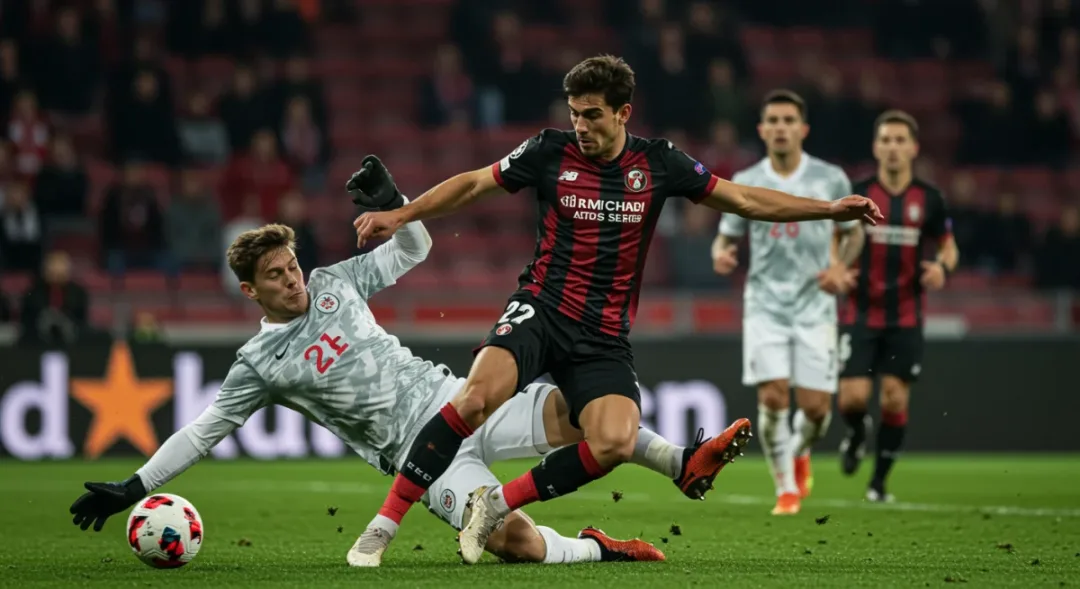
The collective belief from the stands can also mitigate the pressure on individual players, allowing them to play with more freedom and confidence. Conversely, the weight of expectation from an opposing crowd can cause players to falter under pressure, leading to mistakes that contribute to the comeback narrative. This dynamic interplay between the pitch and the terraces underscores that football is as much a psychological battle as it is a tactical one.
In conclusion, while coaches meticulously plan tactical adjustments, the energy from the crowd often provides the raw, emotional fuel needed to execute those plans when the chips are down. It’s a testament to the unique culture of European football, where fan passion is deeply intertwined with the drama of the game, making comebacks even more electrifying.
Analyzing Specific European Comeback Examples
To truly understand the impact of these tactical shifts, it’s essential to look at concrete examples from the past six weeks in European football. While specific match details can be fluid, the patterns of play and coaching decisions remain consistent across various leagues and competitions.
Consider a scenario where a team is down by two goals at halftime. The coach might introduce a more attack-minded midfielder, shifting from a 4-2-3-1 to a 4-1-4-1, effectively creating more presence in the final third. This tactical tweak, combined with an instruction to press higher and faster, can overwhelm a complacent opposition.
Case Study: Mid-Table European League Match
In a recent fixture, Team A was trailing 2-0 against Team B by the 60th minute. The coach of Team A made a double substitution, bringing on a pacy winger and a target man. Simultaneously, the formation shifted from a cautious 4-4-2 to a more aggressive 3-4-3. This immediately created problems for Team B’s full-backs, who were now outnumbered.
- First Goal: Came from a high press, forcing a defender error, leading to a quick turnover and a shot that was parried into the path of the new target man.
- Second Goal: Resulted from the pacy winger beating his man on the outside and delivering a pinpoint cross for an equalizer.
- Winning Goal: A direct free-kick awarded after sustained pressure and an opponent’s foul, demonstrating the cumulative effect of the tactical changes.
This example showcases how the combination of strategic substitutions, formation changes, and a relentless high press can dismantle an opponent’s lead. The mental shift from being on the back foot to actively dictating play is critical. These comebacks are not mere flukes; they are the culmination of deliberate strategic choices and the players’ unwavering belief.
Across various European leagues, similar narratives have unfolded, reinforcing the idea that tactical flexibility and psychological resilience are key determinants of success, especially when a team is forced to chase a game. The ability to adapt and innovate under pressure is what separates good teams from great ones.
The Future of Comeback Tactics in European Football
As European football continues to evolve, so too will the dynamics of comebacks. The tactical shifts observed over the past six weeks provide a fascinating glimpse into the strategic arms race that defines modern football. Coaches are constantly looking for new ways to gain an advantage, and the ability to turn a game around from a losing position is becoming an increasingly valued skill set.
We can anticipate further refinement of these comeback tactics. Data analytics and sports science play an ever-growing role, informing decisions about player conditioning, substitution timing, and the effectiveness of different pressing schemes. The emphasis on high-intensity play means that squad depth and player rotation will become even more crucial, allowing teams to maintain energy levels throughout a demanding schedule.
Emerging Trends
- Advanced Data Integration: Real-time analytics influencing in-game decisions, such as identifying fatigued opponents or effective pressing zones.
- Positional Fluidity: Players being trained to operate effectively in multiple roles and formations, allowing for seamless tactical transitions.
- Psychological Conditioning: Increased focus on mental resilience training to ensure players can perform under extreme pressure and maintain belief.
- Set-Piece Innovation: More sophisticated set-piece routines designed to capitalize on moments of chaos during a comeback bid.
The trend towards more aggressive, proactive strategies when chasing a game suggests that coaches are moving away from purely reactive approaches. Instead, they are empowering their teams to actively seize control, even when facing a deficit. This proactive mindset, combined with the continuous innovation in tactical approaches, promises even more thrilling comebacks in the seasons to come.
Ultimately, the spectacle of a comeback is a testament to the enduring drama and competitive spirit of European football. It highlights that even in moments of adversity, strategic brilliance and unwavering determination can lead to the most memorable victories, captivating audiences and solidifying the sport’s status as the beautiful game.
| Key Tactical Shift | Brief Description |
|---|---|
| Aggressive High Press | Teams push high to disrupt opponent build-up, forcing errors and creating quick turnovers for scoring chances. |
| Strategic Substitutions | Coaches introduce fresh players and alter formations to exploit weaknesses and change game dynamics. |
| Direct Attacking Play | Focus on verticality, quick transitions, and risk-taking to create chaos and score goals rapidly. |
Frequently Asked Questions About European Football Comebacks
What is a high press in football and how does it contribute to comebacks?▼A high press involves aggressively pressing opponents in their own half to win the ball back quickly. In comebacks, it disrupts the opposition’s rhythm, forces errors, and creates immediate scoring opportunities by winning possession in advanced areas, turning defense into attack.
How do substitutions impact a team’s ability to stage a comeback?▼Substitutions can introduce fresh legs, different skill sets, and alter team dynamics. Coaches use them to address tactical imbalances, inject creativity, or strengthen specific areas, fundamentally changing the game’s flow and often providing the impetus needed to overturn a deficit.
What does ‘direct attacking play’ mean in the context of a comeback?▼Direct attacking play means prioritizing vertical passes and quick transitions to get the ball into dangerous areas rapidly. It often involves fewer midfield passes, more shots from distance, and early crosses, aiming to create chaos and scoring chances when time is limited during a comeback attempt.
Is mental fortitude as important as tactical changes for a comeback?▼Absolutely. Mental fortitude is crucial. Even the best tactical changes can fail without the players’ unwavering belief and resilience. A strong mindset allows teams to overcome setbacks, maintain focus under pressure, and continue fighting relentlessly, making it a cornerstone of successful comebacks.
How do European fans contribute to major comebacks?▼Fan support provides an invaluable psychological boost. A roaring crowd can intimidate opponents, energize home players, and create an intense atmosphere that fuels belief. This collective passion often pushes players to higher performance levels, directly influencing the momentum shift required for a comeback.
Conclusion
The recent spate of incredible comebacks in European football is a testament to the dynamic nature of the sport, where no lead is truly safe. By diligently analyzing the 3 key tactical shifts that led to major comebacks in European highlights from the past 6 weeks, we’ve seen how aggressive high pressing, astute substitutions paired with formation changes, and a mentally resilient direct attacking approach have consistently turned the tide. These strategies, often amplified by passionate fan support, underscore the complex interplay of physical, mental, and tactical elements that define success in elite football. As coaches continue to innovate and players push the boundaries of performance, we can undoubtedly look forward to many more breathtaking turnarounds in the beautiful game.