2026 Scouting Report: Top European Defenders with US Appeal
Advertisements

The 2026 Scouting Report identifies emerging European defenders with high US appeal, focusing on talents who combine technical prowess, tactical intelligence, and physical attributes suitable for the evolving American soccer landscape.
As the landscape of global football continues to evolve, the demand for top-tier defensive talent remains constant, particularly in emerging markets like the United States. The 2026 Scouting Report: Identifying the Next Generation of European Defenders with High US Appeal delves into the promising young talents across Europe who are not only excelling in their respective leagues but also possess the attributes that make them highly attractive prospects for American clubs and fans. This report offers an insightful look into the players who could define defensive excellence in the coming years and leave a significant mark on the US soccer scene.
The evolving profile of a modern defender
The role of a defender in modern football has transcended traditional expectations. No longer simply tasked with preventing goals, today’s top defenders are integral to build-up play, initiate attacks, and maintain tactical shape. This evolution demands a blend of technical skill, athletic prowess, and keen tactical intelligence, making the scouting process more complex and nuanced.
Clubs in the United States, particularly those in Major League Soccer (MLS), are increasingly looking to Europe for defensive reinforcements. They seek players who can adapt to the league’s unique physical demands while also bringing a higher level of technical sophistication. The ideal candidate blends robust defending with excellent passing range and compositional skills, fitting seamlessly into various tactical systems.
Technical attributes in demand
Modern defenders must possess exceptional ball control and passing accuracy. They are often the first point of attack, requiring them to distribute the ball under pressure and initiate offensive movements. A defender’s ability to calmly play out from the back is now a non-negotiable skill.
- Accurate long and short passing
- Composure under pressure
- Dribbling in tight spaces
- First touch and ball retention
Physical and tactical requirements
The physicality of the game remains paramount, especially for defenders. Strength, speed, and aerial dominance are crucial for winning duels and controlling the defensive third. Tactically, understanding positional play, anticipating opponent movements, and effective communication are equally vital for a cohesive backline. These elements combine to create a formidable defensive presence.
The modern defender’s role also includes an understanding of how to press high, track runners, and recover quickly. Their ability to read the game and make split-second decisions can often dictate the flow of a match, contributing significantly to both defense and attack. This comprehensive skill set is what makes them so valuable.
Key European leagues and their defensive nurseries
Europe’s top leagues serve as fertile ground for developing world-class defensive talent. Leagues such as the Bundesliga, Eredivisie, and Ligue 1 are renowned for their emphasis on youth development and providing pathways for young players to gain invaluable first-team experience. These environments foster both technical excellence and tactical maturity, preparing players for higher levels of competition.
The rigorous competition and varied playing styles within these leagues expose young defenders to different challenges, accelerating their development. Scouts from American clubs often monitor these leagues closely, recognizing them as prime sources for future stars. The consistent emergence of top defensive prospects from these regions highlights their continued importance in global football.
Bundesliga: a hotbed for defensive talent
Germany’s Bundesliga is often lauded for its high-intensity, tactically astute football, which demands a lot from its defenders. Clubs prioritize players who are athletic, intelligent, and comfortable on the ball. The league’s structured youth academies consistently produce defenders who are technically proficient and tactically versatile, ready for immediate impact.
- Emphasis on tactical discipline
- High athletic demands
- Strong youth development programs
- Exposure to diverse attacking styles
Eredivisie and Ligue 1: developing comprehensive defenders
The Eredivisie in the Netherlands is known for nurturing technically gifted players, including defenders who are adept at ball distribution and playing out from the back. French Ligue 1, meanwhile, often produces physically imposing and quick defenders, many of whom possess excellent one-on-one defending capabilities. Both leagues offer a platform for young talents to shine and develop crucial skills.
The blend of technical training in the Netherlands and the physical rigor in France creates well-rounded defenders. These players often arrive in more demanding leagues with a solid foundation, capable of adapting to different defensive systems and contributing immediately to their new teams. This makes them particularly appealing targets for US clubs.
Promising central defenders for 2026
Central defenders are the backbone of any successful team, and the 2026 class of European talent is rich with potential leaders and game-changers. These players combine physical dominance with sharp tactical minds, making them indispensable. Their ability to read the game, organize the backline, and contribute to offensive build-up is what sets them apart in the modern game.
Scouts are particularly looking for players who can command their area, communicate effectively, and remain composed under pressure. The demand for these attributes is high, as central defenders often dictate the tempo and stability of a team’s performance. The following prospects have shown early signs of developing into elite central defenders.
Rising stars in the heart of defense
One notable prospect is Sven Larsen from Denmark, a towering center-back with exceptional aerial ability and a calm demeanor on the ball. His leadership qualities, even at a young age, have impressed scouts. Another is Mateo Rossi from Italy, known for his intelligent positioning and sharp interceptions, reminiscent of classic Italian defenders but with a modern passing range.
- Sven Larsen (Denmark): Aerial dominance, leadership, composure
- Mateo Rossi (Italy): Positional intelligence, interceptions, passing
- Javier Sánchez (Spain): Ball-playing ability, tactical awareness
- Lukas Müller (Germany): Physicality, progressive passing
Attributes sought by US clubs
US clubs prioritize central defenders who can handle the physical demands of MLS, which often involves extensive travel and varied playing surfaces. They also value players who are quick to adapt to different tactical setups and can seamlessly integrate into a new cultural environment. Experience in high-pressure European matches is a significant bonus, indicating readiness for a challenging transition.
The ability to be a vocal leader on the field is also highly regarded. Defenders who can organize their teammates and maintain discipline are crucial for stability. These combined traits make them particularly attractive to clubs looking to solidify their defensive foundations for long-term success.
Full-back talents with high offensive impact
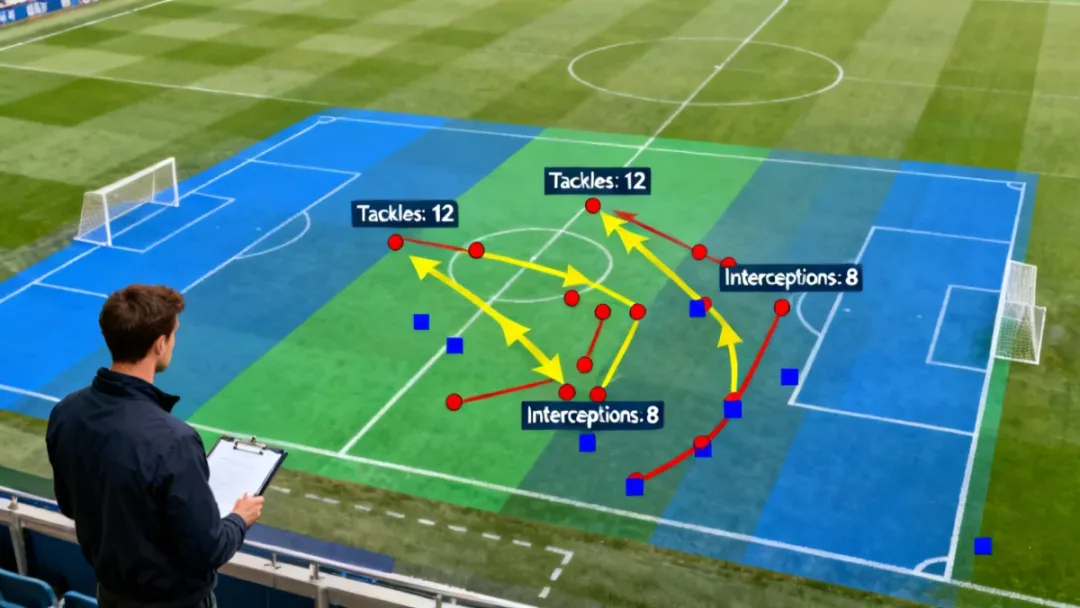
The modern full-back is often a team’s primary offensive weapon from wide areas, providing width, delivering crosses, and even cutting inside to score. This dual role requires immense stamina, technical skill, and tactical understanding of when to attack and when to defend. The next generation of European full-backs is embracing this demanding role with impressive flair and efficiency.
These players are not merely defenders; they are dynamic wing-backs who can influence the game significantly in both halves of the pitch. Their ability to consistently deliver quality crosses, make overlapping runs, and recover quickly makes them invaluable assets for any team. US clubs are keenly aware of the impact such players can have.
Dynamic wing-backs to watch
Consider the emergence of João Mendes from Portugal, a right-back known for his blistering pace and pinpoint crosses. On the left flank, Evaan Khan from the Netherlands displays exceptional dribbling skills and an uncanny ability to beat his man. These players exemplify the modern full-back profile, combining defensive solidity with significant offensive output, making them exciting prospects.
- João Mendes (Portugal): Pace, crossing accuracy, defensive work rate
- Evaan Khan (Netherlands): Dribbling, offensive runs, tactical flexibility
- Pierre Dubois (France): Overlapping runs, physical presence
- Alexei Volkov (Russia): Stamina, defensive solidity, progressive passes
Adaptability to US tactical systems
US clubs often employ systems that rely heavily on the offensive contributions of their full-backs. Players who can quickly understand and execute these roles, whether in a back four or a wing-back system, are highly sought after. Their ability to maintain defensive integrity while also providing an outlet in attack is a critical factor for success in MLS.
The physical demands of playing in the US, with long travel distances and varying climates, also necessitate full-backs with exceptional endurance. Players who can consistently perform at a high level throughout the season, contributing both offensively and defensively, will find themselves in high demand. This blend of attributes is essential for thriving in the American soccer environment.
Scouting for leadership and adaptability
Beyond individual skills, scouting for defenders with high US appeal involves assessing leadership qualities and adaptability. A defender who can organize the backline, communicate effectively, and remain composed under pressure is invaluable. These non-technical attributes often differentiate good players from great ones, particularly in a league that demands resilience and teamwork.
Adaptability to a new culture, language, and playing style is also a critical factor. Players who demonstrate maturity and a willingness to embrace new challenges are more likely to succeed in the US. Their ability to integrate quickly into a new team and environment speaks volumes about their professional character and potential for long-term success.
Identifying natural leaders
Leadership in defense isn’t always about being the loudest player; it’s about setting an example, making smart decisions, and inspiring confidence in teammates. Scouts look for players who exhibit these traits naturally, often through their actions on the field, their communication with peers, and their ability to guide younger players. These are the individuals who can anchor a defensive unit.
- Effective on-field communication
- Leading by example through performance
- Ability to organize the backline
- Composure in high-pressure situations
The importance of cultural adaptation
Moving to a new country and a new league presents numerous challenges. Players who possess a strong support system, a proactive approach to learning English, and a genuine interest in their new surroundings tend to adapt more successfully. Clubs are increasingly considering these off-field factors as crucial indicators of a player’s potential for sustained success.
Successful adaptation also involves understanding the nuances of the MLS schedule, which differs significantly from European leagues. Players who can manage the travel, adjust to different time zones, and maintain peak physical condition throughout a long season are highly valued. This holistic view of a player’s profile is essential for effective scouting.
The US market: financial considerations and player value
The US soccer market, particularly MLS, operates under a unique financial structure with salary caps and designated player rules. This necessitates a strategic approach to player acquisition, where value for money and potential resale value are key considerations. Identifying European defenders who offer high impact without breaking the bank is a constant challenge for technical directors.
Clubs are increasingly looking for young, high-potential players who can grow with the league and potentially be sold for a profit in the future. This approach balances immediate performance needs with long-term financial sustainability. Understanding the nuances of the transfer market and player valuations is critical for success in this environment.
Strategic player acquisitions
MLS teams often target players who are on the cusp of breaking into top European first teams but might not yet command exorbitant transfer fees. This allows them to acquire talent at a reasonable price, develop them, and benefit from their peak performance years. Scouting networks are focused on identifying these ‘undervalued’ gems who can provide significant returns.
- Focus on young, high-potential players
- Balancing transfer fees with salary cap restrictions
- Evaluating potential resale value
- Identifying players ready for immediate impact
Return on investment and long-term planning
For US clubs, every transfer is an investment. They seek defenders who not only fill a tactical void but also contribute positively to the club’s brand and community engagement. Players who show strong character and a willingness to embrace the local culture often become fan favorites, adding intangible value beyond their on-field contributions. This comprehensive assessment extends to their potential for long-term success both on and off the field.
Long-term planning also involves considering how a defender fits into the club’s overall philosophy and development pathway. Will they mentor younger players? Do they fit the club’s playing style for the next three to five years? These questions guide recruitment decisions, ensuring that each acquisition aligns with the club’s strategic vision for sustained success.
| Key Aspect | Description for US Appeal |
|---|---|
| Modern Defender Profile | Blend of technical skill, athletic prowess, and tactical intelligence for both defense and attack. |
| Key Leagues for Talent | Bundesliga, Eredivisie, and Ligue 1 are primary sources for well-rounded defensive prospects. |
| Full-Back Impact | Dynamic wing-backs who contribute significantly to both offensive and defensive phases. |
| Adaptability & Leadership | Crucial non-technical attributes for success in a new league and cultural environment. |
Frequently Asked Questions About European Defenders
What makes a European defender appealing to US clubs?▼European defenders often bring a blend of tactical discipline, technical prowess, and physical readiness developed in highly competitive leagues. Their experience in diverse tactical systems and ability to play under pressure are highly valued by US clubs looking to elevate their defensive standards and overall team quality.
Which European leagues are best for scouting defensive talent?▼Leagues like the Bundesliga, Eredivisie, and Ligue 1 are particularly strong in developing defensive talent. They emphasize youth development, expose players to various playing styles, and provide opportunities for young defenders to gain crucial first-team experience, making them prime scouting grounds for US clubs seeking promising prospects.
What key attributes do US clubs look for in central defenders?▼US clubs seek central defenders who possess strong aerial ability, intelligent positioning, excellent passing range, and leadership qualities. They also prioritize players who can handle the physical demands of MLS, communicate effectively, and maintain composure under pressure to organize the backline and contribute to build-up play.
How important is offensive contribution from full-backs for US teams?▼Offensive contributions from full-backs are highly valued in US tactical systems. Clubs look for dynamic wing-backs with blistering pace, accurate crosses, and the ability to make overlapping runs. These players must also maintain defensive solidity, providing a crucial balance between attack and defense that significantly impacts game outcomes.
What role does adaptability play in a European defender’s success in the US?▼Adaptability is paramount for a European defender’s success in the US. This includes adjusting to a new culture, language, and the unique physical and travel demands of MLS. Players who demonstrate maturity, a proactive approach to integration, and resilience are more likely to thrive and provide consistent high-level performance over a long season.
Conclusion
The 2026 scouting report highlights a wealth of defensive talent emerging from Europe, poised to make a significant impact on the US soccer landscape. From tactically astute central defenders to dynamic, offensively minded full-backs, the next generation offers a compelling mix of skill, athleticism, and potential. US clubs, with their strategic approach to player acquisition, are well-positioned to capitalize on these prospects, strengthening their rosters and contributing to the continued growth of soccer in North America. The blend of European defensive rigor with the evolving demands of the American game promises an exciting future for these young stars.