Unveiling Top 5 Emerging Player Profiles in 2026 for Talent Scouts
Advertisements
Talent scouts must embrace advanced analytics and proactive methodologies to identify the emerging player profiles 2026, securing future athletic dominance.
The landscape of professional sports is ever-evolving, demanding that talent scouts remain perpetually ahead of the curve. To truly gain a competitive advantage, understanding and identifying the emerging player profiles 2026 is not just beneficial, but absolutely critical. This article delves into the crucial strategies and characteristics that will define the next generation of athletic superstars, offering invaluable insights for those dedicated to unearthing future talent.
The Shifting Paradigm of Talent Identification
The traditional scouting model, heavily reliant on subjective observation, is rapidly being supplemented, and in some cases, supplanted by data-driven approaches. As 2026 approaches, the ability to integrate advanced analytics with intuitive human assessment will be paramount for identifying truly exceptional emerging talent. Scouts are now looking beyond raw physical attributes to encompass a holistic view of a player's potential.
This shift requires a deeper understanding of various metrics, from biomechanical data to psychological resilience. The sheer volume of available data can be overwhelming, necessitating sophisticated tools and methodologies to extract meaningful insights. Successful talent identification in this new era will hinge on a scout's capacity to interpret these complex data sets and apply them to real-world performance scenarios.
Leveraging Advanced Analytics
Advanced analytics provides an objective lens through which to evaluate players. This includes not only performance statistics but also physiological markers and even genetic predispositions. Understanding how these factors interact can reveal hidden potential.
- Biometric Data: Tracking heart rate variability, sleep patterns, and recovery rates to optimize training and predict injury risk.
- Movement Tracking: Utilizing GPS and accelerometers to analyze on-field efficiency, decision-making under pressure, and tactical adherence.
- Predictive Modeling: Employing AI algorithms to forecast a player's growth trajectory and potential impact at higher levels of competition.
The integration of these analytical tools allows scouts to build comprehensive player profiles that go far beyond what can be observed with the naked eye. It offers a more robust framework for evaluating potential, reducing the risk of overlooking a diamond in the rough or misjudging a player's long-term viability. This objective approach ensures that decisions are based on concrete evidence, not just fleeting impressions.
Ultimately, the shifting paradigm demands a blend of technological literacy and traditional scouting acumen. Scouts who can effectively navigate this hybrid environment will be best positioned to discover the next generation of elite athletes and secure them for their respective organizations. This evolution is not just about adopting new tools; it's about fundamentally rethinking how talent is perceived and nurtured.
Profile 1: The Adaptive Multi-Sport Athlete
In 2026, the value of a multi-sport background will be increasingly recognized. Athletes who have excelled in diverse sporting environments often possess a broader range of motor skills, enhanced proprioception, and superior tactical adaptability. This foundational versatility makes them highly coachable and resilient, capable of thriving in varied team dynamics and strategic demands.
These players typically demonstrate exceptional spatial awareness and decision-making abilities, honed through exposure to different rules, movements, and competitive pressures. They are less prone to sport-specific overuse injuries and often exhibit a more robust psychological profile, having learned to cope with different challenges and successes across multiple disciplines. Their ability to transfer skills seamlessly between sports is a significant indicator of future success.
Key Attributes of Adaptability
Identifying these athletes requires looking beyond single-sport specialization. Scouts should actively seek individuals who show proficiency in multiple areas, as this indicates a higher ceiling for development.
- Cross-Training Benefits: Enhanced coordination, balance, and agility developed through varied physical demands.
- Cognitive Flexibility: The ability to quickly learn and adapt to new strategies and roles, crucial in rapidly changing game situations.
- Injury Resilience: A broader range of muscle groups developed, reducing strain on sport-specific areas.
The adaptive multi-sport athlete is not just a trend; it's a recognition of the fundamental principles of athletic development. By fostering a diverse athletic background, players build a more comprehensive physical and mental toolkit, making them ideal candidates for the intense demands of professional sports. Scouts should prioritize those who have demonstrated this versatility early in their development.
Their inherent problem-solving skills and capacity to integrate new information quickly make them invaluable assets to any team. They can fill multiple roles, adjust to different coaching philosophies, and maintain peak performance under varying circumstances. This profile represents a significant return on investment for organizations willing to look beyond conventional single-sport talent pipelines.
Profile 2: The Data-Driven Decision Maker
The modern game across nearly all sports is increasingly analytical. Players who intuitively understand and apply data in real-time, making decisions that optimize team performance, will be highly sought after. These athletes don't just react; they anticipate, process, and execute based on a deep, often subconscious, understanding of probabilities and tactical implications.
This profile goes beyond mere intelligence; it's about applied intelligence within the competitive arena. They are often the 'coaches on the field,' guiding teammates and making critical adjustments without direct instruction. Their ability to read the game, combined with an understanding of statistical probabilities, gives them a distinct advantage in high-pressure situations.
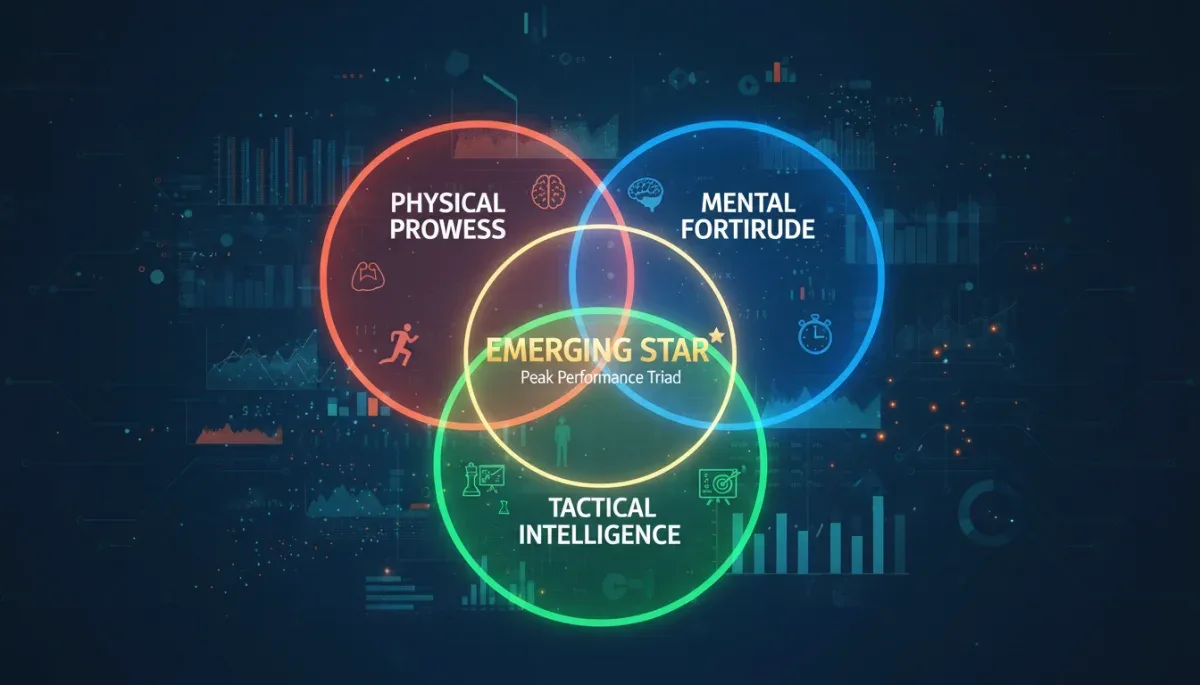
Scouting for Cognitive Prowess
Identifying data-driven decision-makers requires specific scouting techniques that assess cognitive processing speed and tactical understanding. This involves observing how players react to complex game scenarios and their ability to learn from mistakes.
- Game IQ Assessments: Specialized drills and simulations designed to test strategic thinking and rapid response.
- Post-Game Analysis: Evaluating a player's self-reflection and ability to articulate their decision-making process.
- Pattern Recognition: Observing how quickly a player identifies and exploits opponents' weaknesses or adapts to their strengths.
These players often stand out not just for their physical feats, but for their consistent ability to be in the right place at the right time, or to make the pass that unlocks a defense. Their value lies in their capacity to elevate team performance through intelligent play, reducing errors and maximizing opportunities. Scouts must develop methods to quantify this often-intangible aspect of a player's game.
The data-driven decision maker is a crucial component of any successful team in 2026. Their impact extends beyond individual statistics, influencing the overall flow and outcome of games. Investing in players with this cognitive profile is an investment in a smarter, more efficient team dynamic, essential for sustained success in highly competitive environments.
Profile 3: The Resilient Mental Fortitude Specialist
Beyond physical talent, mental resilience is emerging as a non-negotiable trait for elite athletes. The intense pressure, scrutiny, and demands of professional sports require individuals with exceptional mental fortitude. These players possess the ability to maintain focus, recover from setbacks, and perform under extreme duress, consistently delivering when it matters most.
This profile encompasses emotional regulation, stress management, and an unwavering belief in their abilities. They are not easily rattled by mistakes, criticism, or adverse game conditions. Instead, they view challenges as opportunities for growth, demonstrating a remarkable capacity for self-correction and perseverance. Their mental toughness often inspires those around them.
Assessing Psychological Strength
Scouting for mental fortitude involves more than just observing on-field reactions. It requires understanding a player's background, their coping mechanisms, and their consistency under varying levels of pressure.
- Performance Under Pressure: Evaluating how players perform in high-stakes situations, such as penalty shootouts or critical game moments.
- Recovery from Adversity: Observing their response to errors, injuries, or team losses, looking for signs of resilience rather than despair.
- Leadership Qualities: Identifying players who can calm their teammates, maintain composure, and lead by example in challenging circumstances.
The resilient mental fortitude specialist is the bedrock of any successful team. Their ability to remain composed and effective when others falter provides a critical advantage, especially in playoff scenarios or tight championship races. Scouts should prioritize players who demonstrate consistent psychological strength, as this trait is often more indicative of long-term success than raw physical talent alone.
Developing robust psychological assessment tools will be essential for identifying these individuals. Their impact on team morale and performance cannot be overstated, making them invaluable assets. A player with immense talent but fragile mental resilience is a significant risk; conversely, a player with strong mental fortitude can often exceed expectations, even with slightly less physical prowess.
Profile 4: The Technologically Fluent Athlete
As sports science and technology advance, players who are not only open to but actively embrace and utilize technological tools for performance enhancement will have a significant edge. This profile includes athletes who understand their biometric data, analyze video feedback effectively, and integrate new equipment or training methodologies seamlessly into their routines.
These athletes are proactive in their development, taking ownership of their performance data and working collaboratively with coaches and analysts to optimize every aspect of their game. They are early adopters of new technologies, constantly seeking ways to gain marginal gains, whether through advanced recovery tools, virtual reality training, or personalized nutrition plans.

Embracing Innovation for Performance
Identifying technologically fluent athletes involves assessing their curiosity, their willingness to experiment, and their ability to understand and apply complex technical information to their training and performance.
- Data Literacy: Players who can interpret their own performance metrics and contribute to data-driven discussions.
- Adaptability to New Tools: Willingness to try and master new gadgets, software, or training techniques.
- Proactive Learning: Athletes who seek out new information and tools to improve their game, rather than waiting for instructions.
The technologically fluent athlete is a self-improver, always looking for the next competitive advantage. Their proactive approach to personal development not only benefits their individual performance but also fosters a culture of innovation within the team. Scouts should look for individuals who demonstrate an innate curiosity and a practical understanding of how technology can enhance their athletic journey.
This profile is particularly important as the integration of AI, wearables, and advanced biomechanics becomes standard practice in professional sports. Players who can effectively leverage these resources will not only optimize their physical output but also prolong their careers and maintain peak performance for longer periods. They represent the future of athletic professionalism.
Profile 5: The Socially Conscious Leader
Beyond the field of play, the impact of athletes as role models and community leaders is growing exponentially. The socially conscious leader is a player who not only excels in their sport but also leverages their platform for positive social change, demonstrating strong ethical values and a commitment to their community. This profile is increasingly attractive to organizations looking to build strong brand identities and foster positive fan engagement.
These athletes often possess exceptional communication skills, empathy, and a genuine desire to make a difference. They are articulate advocates for causes they believe in, inspiring both fans and teammates. Their leadership extends beyond team strategy, influencing cultural dynamics and promoting a positive public image for their sport and organization.
Cultivating Influence and Integrity
Scouting for socially conscious leaders involves evaluating a player's character, their involvement in community initiatives, and their ability to communicate effectively on and off the field.
- Community Engagement: Participation in charitable work, advocacy, or mentorship programs.
- Media Savvy: Ability to articulate views thoughtfully and represent the team positively in public forums.
- Ethical Conduct: A track record of integrity, sportsmanship, and respect for others.
The socially conscious leader brings immense value to an organization that extends beyond wins and losses. Their positive influence can enhance team cohesion, attract new fans, and build a powerful, positive brand image. Scouts should look for individuals who demonstrate not only athletic prowess but also a strong moral compass and a desire to contribute positively to society.
In an era where athletes' voices carry significant weight, these leaders are invaluable assets. They can inspire a generation, drive meaningful conversations, and solidify a team's reputation as a socially responsible entity. Investing in such profiles is an investment in the long-term cultural and public relations success of an organization.
| Key Profile | Brief Description |
|---|---|
| Adaptive Multi-Sport Athlete | Versatile players with diverse skill sets and superior adaptability from varied sporting backgrounds. |
| Data-Driven Decision Maker | Athletes who instinctively use analytics to make optimal in-game decisions, enhancing team strategy. |
| Resilient Mental Fortitude Specialist | Players exhibiting exceptional mental toughness, focus, and recovery from setbacks under pressure. |
| Technologically Fluent Athlete | Proactive players who embrace and leverage technology for continuous performance enhancement and optimization. |
Frequently Asked Questions about Emerging Player Profiles
What defines an emerging player profile for 2026?▼An emerging player profile for 2026 is characterized by a blend of unique athletic, cognitive, and personal attributes that align with future demands of professional sports, often identified through advanced scouting and analytics. These profiles highlight players with high adaptability and mental resilience.
How can talent scouts best identify these new profiles?▼Talent scouts should integrate advanced data analytics, psychological assessments, and multi-sport observation into their traditional scouting methods. This holistic approach helps uncover potential that might be missed by focusing solely on conventional metrics or single-sport performance.
Why is mental fortitude increasingly important in player profiles?▼Mental fortitude is crucial because modern professional sports involve intense pressure, constant scrutiny, and high demands. Players with strong mental resilience can consistently perform under duress, recover from setbacks, and maintain focus, contributing significantly to team stability and success.
What role does technology play in developing future athletes?▼Technology plays a vital role by providing data for performance optimization, injury prevention, and skill development. Athletes who are technologically fluent can leverage tools like biometric sensors, VR training, and video analysis to continuously improve and gain a competitive edge.
Are multi-sport athletes truly better prospects for 2026?▼Yes, multi-sport athletes often develop a broader range of motor skills, enhanced tactical adaptability, and superior injury resilience. Their diverse athletic background fosters a comprehensive physical and mental toolkit, making them highly coachable and versatile for professional sports demands.
Conclusion
The identification of future athletic stars is no longer a simple task; it demands a forward-thinking, multi-faceted approach. By focusing on the emerging player profiles 2026 – encompassing adaptive multi-sport athletes, data-driven decision-makers, resilient mental fortitude specialists, technologically fluent individuals, and socially conscious leaders – talent scouts can significantly enhance their ability to unearth and nurture the next generation of sporting legends. Embracing these insider strategies will not only secure a competitive advantage but also contribute to the holistic development of athletes who are prepared to excel on and off the field in the years to come. The future of talent scouting is dynamic, data-rich, and deeply human-centric, requiring continuous adaptation and innovative thinking to stay at the forefront.