Youth Academies in Europe: Next American Superstars by 2026
Advertisements
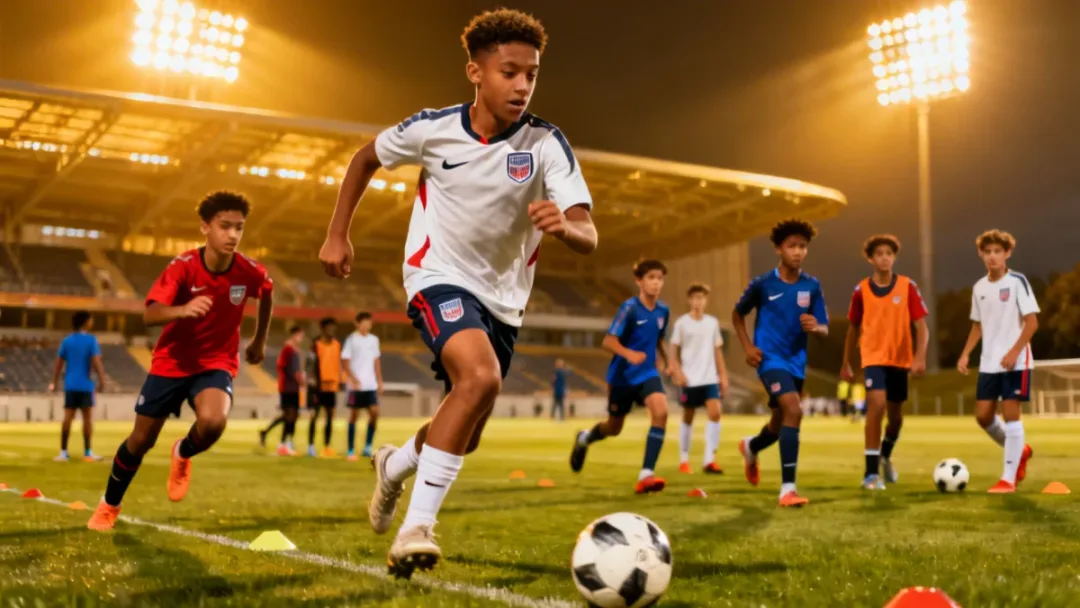
European youth academies are increasingly becoming fertile ground for American soccer prodigies, with several talents on track to emerge as global superstars by 2026, significantly impacting the future of the USMNT.
The landscape of American soccer is undergoing a dramatic transformation, with a growing number of young talents opting to hone their skills in Europe’s renowned youth academies. These institutions, celebrated for their rigorous development pathways and competitive environments, are becoming crucial incubators for the next generation of US soccer stars. The question isn’t if, but when, these prodigies will break through, and by 2026, we anticipate seeing some truly exceptional American players emerge as global superstars, shaped by the demanding crucible of European football. This article delves into the phenomenon of American soccer prodigies in Europe and profiles three talents poised for significant breakthroughs.
The European Academy Advantage for American Talent
European football academies offer a distinctive blend of tactical sophistication, technical refinement, and intense competitive exposure that is often unparalleled elsewhere. For young American players, making the leap across the Atlantic means immersing themselves in a culture where soccer is not just a sport, but a way of life, fostering a rapid acceleration in their development.
The structured pathways from youth teams to senior squads, coupled with elite coaching and world-class facilities, provide an ideal ecosystem for aspiring professionals. This environment challenges players both physically and mentally, preparing them for the demands of top-tier football from a young age.
Why European Academies Attract American Players
There are several compelling reasons why a growing number of American youth choose European academies over domestic alternatives. The lure of playing in a top league, the opportunity to learn from the best, and the sheer volume of high-quality matches are significant factors.
- Higher Quality Coaching: European academies often boast UEFA-licensed coaches with extensive experience in player development.
- Elite Competition: Regular matches against other top academy teams and even senior reserve sides provide invaluable experience.
- Clearer Pathway to Professionalism: The integration of youth teams into club structures often means a more direct route to first-team football.
- Cultural Immersion: Living and playing in a foreign country helps young players develop resilience, adaptability, and a global perspective.
The commitment required from these young athletes and their families is immense, but the potential rewards – a career at the pinnacle of global football – make the sacrifice worthwhile. The rigorous training schedules, tactical lessons, and exposure to different playing styles mold them into well-rounded individuals and formidable players.
Ultimately, the move to Europe for many American talents represents a strategic investment in their future. It’s about gaining an edge, accelerating their development, and positioning themselves for a successful professional career. The academies provide a crucible where raw talent is forged into world-class ability.
Identifying Emerging American Stars: Our Methodology
Predicting future superstars is an inherently challenging task, fraught with variables. However, by analyzing key indicators, we can identify players with the highest potential to become household names by 2026. Our methodology focuses on a combination of current performance, potential for growth, and the quality of their developmental environment.
We consider factors such as their current age, the level of competition they are currently facing within their academy or youth league, and any senior team exposure they may have already received. Consistency in performance, adaptability to different roles, and leadership qualities are also crucial for long-term success.
Key Metrics for Talent Evaluation
Several metrics help us gauge a player’s trajectory and potential impact. Beyond raw talent, a player’s mindset and resilience are paramount.
- Technical Proficiency: Ball control, passing accuracy, dribbling ability, and shooting technique.
- Tactical Understanding: Positional awareness, decision-making, and ability to read the game.
- Physical Attributes: Speed, strength, stamina, and agility relevant to their position.
- Mental Fortitude: Resilience under pressure, leadership, and a strong work ethic.
- Club Environment: Quality of coaching, pathway to the first team, and competitive league structure.
The development curve of young players is rarely linear. Injuries, changes in coaching staff, and personal challenges can all impact their progress. Therefore, we look for players who demonstrate not only exceptional skill but also the mental toughness to navigate these potential hurdles. The ability to adapt and learn from setbacks is often what separates good players from truly great ones.
Our assessment also takes into account the club’s philosophy regarding youth integration. Academies that actively promote young players to senior training and competitive matches provide a more fertile ground for rapid development and early breakthroughs. This hands-on experience is invaluable for transitioning from youth football to the professional ranks.
American Superstar Prospect 1: The Versatile Midfielder
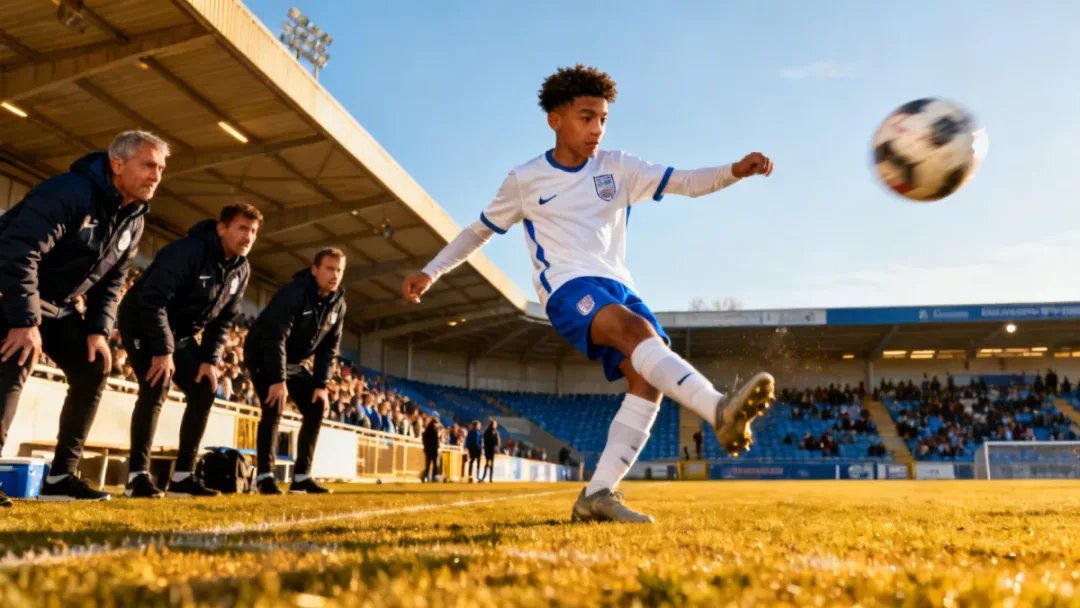
Our first standout prospect is a dynamic central midfielder currently making waves in a top-tier German academy. This player, let’s call him ‘Ethan’, possesses an extraordinary blend of technical skill, tactical intelligence, and physical prowess. He is known for his ability to dictate the tempo of a game, breaking up opposition attacks and launching incisive passes that unlock defenses.
Ethan’s versatility is a major asset, allowing him to operate effectively as a deep-lying playmaker, a box-to-box midfielder, or even in a more advanced attacking role. His vision and passing range are exceptional for his age, often drawing comparisons to seasoned professionals. By 2026, we anticipate Ethan will be a regular starter for his club’s senior team and a vital component of the USMNT midfield.
Ethan’s Key Strengths and Development Path
Ethan’s rapid ascent is no accident; it’s a testament to his dedication and the quality of his development environment. His academy has a strong track record of nurturing young talent and integrating them into the first team.
- Exceptional Vision: Ability to spot and execute passes that others don’t see.
- High Work Rate: Covers significant ground, contributing defensively and offensively.
- Leadership Qualities: Often captains his youth teams, demonstrating maturity beyond his years.
- Consistent Performance: Rarely has an off-game, maintaining a high level of play.
His coaches often praise his professional attitude and eagerness to learn, which are crucial for continued growth at the elite level. Ethan’s ability to adapt to different tactical systems and his composure under pressure suggest he is destined for the biggest stages in football. The next two years will be critical for him to solidify his place in his club’s senior squad and gain consistent first-team minutes.
The progression for Ethan involves continuing to refine his decision-making in high-pressure situations and further developing his physical strength to compete against senior professionals. His future looks incredibly bright, and he represents the archetype of the modern American midfielder capable of thriving in Europe.
American Superstar Prospect 2: The Prolific Forward
Our second prospect is a clinical young striker currently honing his craft in a renowned Dutch academy, known for producing technically gifted attackers. Let’s refer to him as ‘Noah’. Noah is a natural goalscorer with an uncanny ability to find the back of the net from various positions and against different defensive setups. His movement off the ball is intelligent, constantly creating space for himself and his teammates.
Noah possesses blistering pace, excellent close control, and a powerful shot, making him a constant threat in the final third. He is equally adept at playing as a lone striker or as part of a front two, demonstrating a tactical flexibility that appeals to modern coaches. By 2026, we foresee Noah leading the line for a top European club and becoming a prolific scorer for the USMNT.
Noah’s Goal-Scoring Instincts and Growth Potential
Noah’s development has been marked by a relentless pursuit of perfection in front of goal. His academy has provided him with specialized training to enhance his finishing and understanding of attacking tactics.
- Clinical Finishing: Converts chances with impressive consistency and composure.
- Intelligent Movement: Excellent at finding pockets of space and making decisive runs.
- Physicality: Strong enough to hold off defenders and maintain possession.
- Aerial Threat: Surprisingly effective in the air despite not being the tallest striker.
His coaches highlight his dedication to extra training sessions, particularly focusing on his weaker foot and heading ability. Noah’s hunger for goals is insatiable, and he views every training session and match as an opportunity to improve. This drive, combined with his natural talent, makes him an incredibly exciting prospect.
The next phase of Noah’s development will involve transitioning to senior football, where the defensive marking is tighter and the margins for error are smaller. His ability to adapt his game to the increased intensity and physicality of professional leagues will be key. With continued progress, Noah could easily become one of the most feared strikers in European football.
American Superstar Prospect 3: The Defensive Anchor
Our third and final prospect is a commanding center-back currently developing in a highly respected English academy, known for its emphasis on defensive solidity and ball-playing defenders. We’ll call him ‘Caleb’. Caleb is a natural leader at the back, combining exceptional defensive instincts with remarkable composure on the ball. He reads the game brilliantly, anticipating opposition attacks and making crucial interceptions.
Caleb’s physical attributes are already impressive for his age, possessing strength, speed, and aerial dominance. What sets him apart is his ability to initiate attacks from the back with precise long passes and confident dribbles out of defense. By 2026, we expect Caleb to be a cornerstone of his club’s defense and a key figure in the USMNT’s backline, bringing stability and leadership.
Caleb’s Defensive Prowess and Leadership
Caleb’s development has been carefully managed, with a strong focus on both his defensive responsibilities and his ability to contribute to build-up play. His academy emphasizes tactical discipline and communication.
- Exceptional Tackling: Clean and effective in one-on-one situations.
- Aerial Dominance: Wins most aerial duels, both defensively and offensively.
- Ball-Playing Ability: Comfortable on the ball, with a good range of passing.
- Strong Leadership: Organizes the defense and communicates effectively with teammates.
His coaches often commend his maturity and decision-making under pressure, qualities that are rare in young defenders. Caleb’s commitment to understanding tactical nuances and his willingness to take responsibility make him a standout talent. He embodies the modern center-back who can defend robustly and contribute significantly to attacking phases.
For Caleb, the challenge lies in consistently performing at the senior level, where every mistake is magnified. Gaining experience against top-tier attackers will be vital for his continued growth. His potential to become a truly world-class defender, capable of anchoring both club and country’s defense for years to come, is immense.
The Broader Impact on US Soccer and the USMNT
The emergence of these American talents from European youth academies signifies a pivotal moment for US soccer. Their development abroad not only raises their individual ceilings but also elevates the overall quality and competitiveness of the US Men’s National Team. The exposure to diverse playing styles, tactical philosophies, and high-pressure environments prepares them for international football in a way domestic development alone often cannot.
As more American players succeed in Europe, it creates a positive feedback loop, encouraging even younger talents to pursue similar pathways. This influx of highly skilled and tactically astute players will undoubtedly make the USMNT a more formidable force on the global stage, capable of competing with the world’s elite nations.
Shaping the Future of the USMNT
The impact of these European-trained players extends beyond their on-field contributions. They bring back a wealth of experience, a winning mentality, and a deeper understanding of the global game that can inspire and influence their teammates.
- Increased Competitiveness: Elevates the overall skill level and tactical awareness within the national team.
- Global Recognition: Success in Europe boosts the profile of American soccer internationally.
- Mentorship for Younger Players: Experienced European-based players can guide and inspire the next generation.
- Tactical Versatility: Exposure to different systems makes the USMNT more adaptable.
The 2026 World Cup, co-hosted by the United States, Canada, and Mexico, presents a unique opportunity for these emerging superstars to shine on home soil. Their performances in Europe over the next two years will be critical in building momentum and confidence for that monumental event. The hope is that these players, along with others, will form the core of a USMNT that can genuinely contend for major honors.
Ultimately, the success of American players in European academies is a win-win situation. It provides individual players with the best possible development, strengthens the USMNT, and helps to solidify soccer’s place as a major sport in the United States. The future of American soccer looks brighter than ever, thanks to this transatlantic talent pipeline.
| Key Aspect | Brief Description |
|---|---|
| European Academy Advantage | Offers superior coaching, competition, and clear pathways to professional football for American youth. |
| Talent Identification | Based on current performance, growth potential, club environment, and key technical/tactical metrics. |
| Impact on USMNT | Elevates skill, tactical awareness, and global competitiveness, inspiring future generations. |
| Prospect Profiles | Highlights versatile midfielders, prolific forwards, and defensive anchors poised for breakthrough by 2026. |
Frequently Asked Questions About American Youth in European Academies
Why are more American youth players moving to European academies?▼American youth players are increasingly moving to European academies due to the higher quality of coaching, more competitive environments, clearer professional pathways, and the cultural immersion that accelerates their overall development in the sport.
What are the main benefits of European academy training for American players?▼The primary benefits include exposure to advanced tactical systems, rigorous technical refinement, consistent high-level competition, and direct pathways to senior team football, all contributing to a more complete and resilient player.