2026 Loan Rules: Player Development & Transfers Impact
Advertisements
New 2026 loan rules aim to foster balanced player development and prevent squad hoarding, directly influencing club transfer strategies globally.
The landscape of professional soccer is perpetually evolving, with regulations often acting as significant catalysts for change. As we approach 2026, the introduction of new FIFA loan rules stands poised to fundamentally reshape how clubs approach talent management, particularly regarding 2026 loan rules and their implications for player development and transfers. This isn't merely a minor tweak; it's a strategic overhaul designed to foster more equitable opportunities and sustainable growth within the sport.
Understanding the Genesis of the 2026 Loan Rules
The forthcoming 2026 loan rules are not arbitrary; they are the culmination of years of discussion and analysis by FIFA, aimed at addressing perceived imbalances and inefficiencies within the global transfer system. Historically, some larger clubs amassed vast numbers of players, often sending them out on multiple loan spells, sometimes with limited clear development pathways. This practice raised concerns about competitive integrity and the genuine nurturing of young talent.
These new regulations seek to strike a better balance, ensuring that loan agreements primarily serve the development needs of players rather than merely acting as squad management tools or financial maneuvers. The underlying philosophy is to promote more thoughtful and strategic loan arrangements, benefiting both the players and the sport as a whole.
FIFA's Objectives Behind the Changes
FIFA's primary goals with these new rules are multifaceted, extending beyond just player movement. They aim to enhance competitive balance across leagues and ensure that young players, especially those from developing nations, have clearer routes to first-team football. This proactive approach underscores a commitment to the long-term health of global soccer.
- Promoting Player Development: Ensuring loans provide meaningful playing time and growth opportunities.
- Preventing Squad Hoarding: Limiting the number of players a club can loan out to maintain competitive fairness.
- Enhancing Competitive Balance: Distributing talent more widely to strengthen various leagues.
- Improving Contractual Clarity: Standardizing loan agreements to reduce disputes and ambiguity.
Ultimately, these foundational changes are intended to create a more transparent, equitable, and development-focused environment for players at all stages of their careers. The shift reflects a broader commitment to sustainability and ethical practices within the sport's global ecosystem.
Key Provisions and Structural Changes of the New Regulations
The 2026 loan rules introduce several specific provisions that will directly impact how clubs manage their rosters and engage in the transfer market. One of the most significant changes is the cap on the number of international loans a club can undertake, both incoming and outgoing, within a single season. This cap will be phased in, allowing clubs time to adapt, but its ultimate effect will be substantial.
Another crucial element is the duration of loan agreements. FIFA is emphasizing longer, more stable loan periods to ensure players have ample time to integrate into their new teams and develop consistently. Short-term, speculative loans are likely to become less common as clubs prioritize more substantive arrangements.
Limits on International Loans
The most talked-about aspect of the new rules is the strict limit on international loan deals. This measure is designed to curb the practice of clubs signing numerous young prospects from around the world only to loan them out repeatedly without a clear path to their parent club's first team.
- Incoming Loan Cap: A maximum number of players a club can receive on loan internationally.
- Outgoing Loan Cap: A maximum number of players a club can send out on international loan.
- Phased Implementation: The caps will be introduced gradually, likely starting with a higher number and decreasing over successive seasons to allow for adjustment.
These caps will force clubs to be far more selective in their recruitment and loan strategies, fostering a greater emphasis on quality over quantity. It also encourages clubs to invest more in their own academies and local talent pools.
Impact on Player Development Pathways
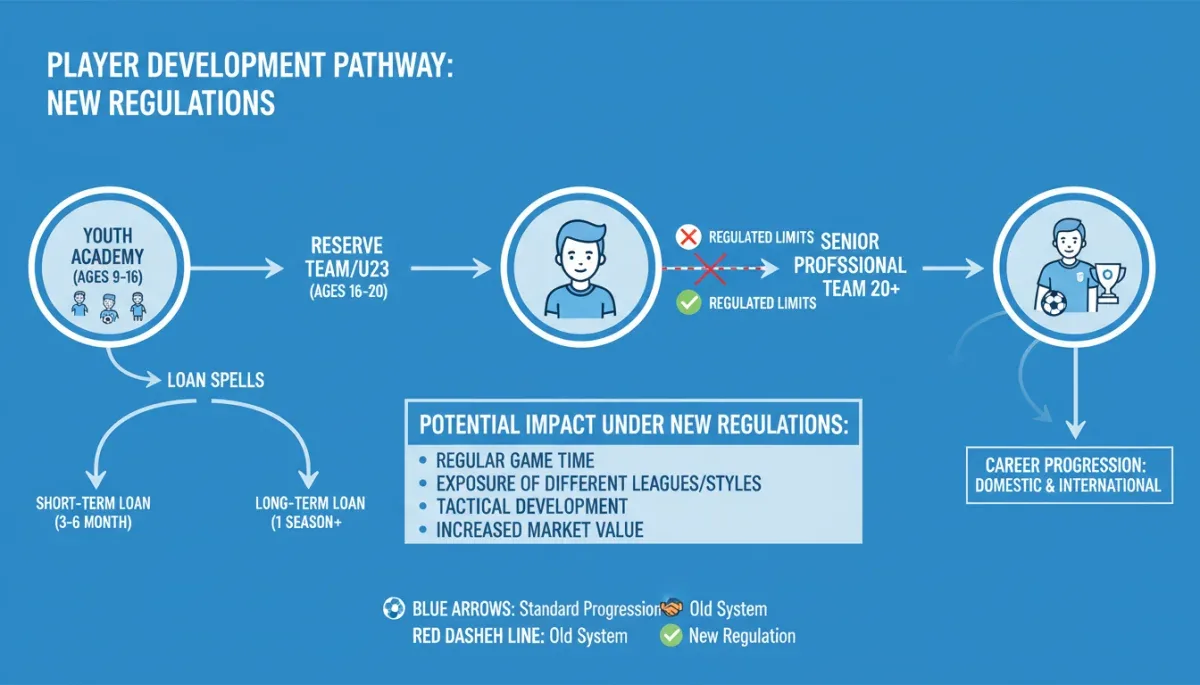
The 2026 loan rules are expected to profoundly alter player development pathways, particularly for young talents seeking first-team experience. With stricter limits on loan movements, clubs will need to be more strategic in identifying suitable loan destinations that genuinely align with a player's developmental needs. This could lead to a greater focus on domestic loans or loans to clubs within partner networks where playing time is guaranteed.
Young players might find fewer opportunities for multiple, sequential loan spells, pushing them and their parent clubs to make more impactful decisions earlier in their careers. This could mean earlier integration into first-team squads, even at a younger age, or a more definitive decision on their future at the parent club.
Strategic Loan Decisions
Clubs will no longer be able to use loans as a casual holding pattern for promising players. Each loan decision will carry more weight, requiring thorough assessment of potential playing time, coaching quality, and tactical fit. This increased scrutiny could lead to more successful loan spells overall.

- Guaranteed Playing Time Clauses: More loan agreements might include clauses ensuring a minimum number of appearances for the loaned player.
- Enhanced Scouting of Loan Clubs: Parent clubs will invest more resources in evaluating potential loan destinations.
- Focus on Holistic Development: Beyond just playing time, clubs will consider the overall environment for a player's growth.
The emphasis will shift from simply finding a club to send a player to, to finding the *right* club that offers the optimal environment for their specific developmental stage. This could benefit players by providing more tailored experiences.
Shifting Dynamics of the Transfer Market
The transfer market is inherently linked to loan movements, and the 2026 loan rules will undoubtedly introduce significant shifts in its dynamics. With fewer players available for international loans, clubs might be compelled to make more permanent transfer decisions earlier or explore alternative strategies for talent acquisition. This could lead to an increase in outright purchases of young players, or a greater emphasis on domestic talent pools to circumvent international loan restrictions.
Smaller clubs, who often rely on loans from larger entities to bolster their squads, may face challenges in securing high-quality players. This could force them to develop their own scouting networks more rigorously or focus on free agents and lower-cost transfers. The overall effect could be a more localized and less globally interconnected loan market.
Increased Focus on Permanent Deals
The scarcity of international loan slots will likely drive up the demand for permanent transfers, especially for promising young talents who would previously have been loaned out. This could lead to earlier and potentially higher transfer fees for players who demonstrate potential.
- Early Talent Acquisition: Clubs might move to sign young players permanently at a younger age.
- Domestic Market Emphasis: Greater reliance on national and regional transfer markets for player movement.
- Strategic Partnerships: More formal partnerships between clubs for talent sharing and development, potentially within the same national league.
These changes will necessitate a re-evaluation of current transfer strategies, pushing clubs to be more decisive and financially committed to their talent acquisition plans.
Challenges and Opportunities for Clubs
While the 2026 loan rules present a more structured framework, they also bring both challenges and opportunities for clubs across the football pyramid. Large, affluent clubs will need to rethink their extensive loan armies, potentially leading to more permanent sales or a greater focus on integrating academy products directly into their first-team setup. This could free up resources and create more space within their squads.
For smaller clubs, the challenge lies in adapting to a potentially reduced pool of loan players. However, this also presents an opportunity to cultivate their own talent more effectively, build stronger academy programs, and create unique identities based on homegrown players. The rules could foster greater self-sufficiency and regional talent development.
Adapting to the New Landscape
Clubs will need to invest in new strategies and personnel to navigate these changes successfully. Data analytics, scouting networks, and player welfare programs will become even more critical in making informed decisions about player pathways.
- Enhanced Academy Investment: Greater focus on developing internal talent to mitigate reliance on loans.
- Sophisticated Loan Management: Dedicated departments for managing loan players, ensuring optimal placement and monitoring.
- Financial Restructuring: Adjusting budgets to account for potential increases in transfer fees for permanent signings.
Ultimately, clubs that embrace these changes proactively and strategically will be better positioned to thrive in the evolving football environment. It's a call for innovation and long-term planning.
The Broader Implications for Global Football
Beyond individual clubs and players, the 2026 loan rules carry significant broader implications for global football. They could lead to a more even distribution of talent, potentially strengthening mid-tier leagues and fostering greater competitive balance across continents. This could make leagues outside the traditional 'big five' more attractive, both for players and for viewers.
The emphasis on development could also lead to a higher overall standard of play as more players receive meaningful game time and structured development. It's a long-term vision for a healthier, more sustainable football ecosystem, where talent is nurtured rather than merely stockpiled.
Fair Play and Competitive Integrity
One of FIFA's core objectives is to uphold the principles of fair play and competitive integrity. The new loan rules contribute to this by reducing instances of clubs artificially inflating their squad depth or denying opportunities to players who could thrive elsewhere. This rebalancing act aims to create a more level playing field for all.
- Reduced 'Loan Armies': Limiting the practice of larger clubs maintaining dozens of players on loan.
- Increased Player Mobility: Encouraging players to find clubs where they can genuinely contribute and develop.
- Strengthening Smaller Leagues: Providing opportunities for local talent and reducing dependence on loaned players.
These rules are a testament to FIFA's ongoing efforts to regulate the sport in a way that benefits all stakeholders, from the grassroots level to the elite professional game.
Preparing for the 2026 Transition
For clubs, agents, and players alike, preparing for the full implementation of the 2026 loan rules requires foresight and strategic planning. Clubs should begin auditing their current loan portfolios, identifying players who might be affected, and developing contingency plans. This might involve accelerating decisions on certain players or exploring alternative pathways for their development.
Agents will play a crucial role in advising their clients on the evolving landscape, helping them navigate new opportunities and challenges. Education and clear communication will be key to ensuring a smooth transition for all involved parties, minimizing disruption while maximizing the benefits of the new regulatory framework.
Strategic Planning Ahead
Proactive engagement with the new rules is essential for minimizing negative impacts and capitalizing on emerging opportunities. Clubs that start planning now will have a significant advantage.
- Internal Policy Review: Updating club policies regarding player acquisition, development, and loan management.
- Stakeholder Communication: Informing players, coaches, and staff about the impending changes and their implications.
- Market Analysis: Continuously monitoring the transfer and loan markets for evolving trends and opportunities.
The period leading up to 2026 is a critical window for adaptation and strategic recalibration, ensuring clubs are well-prepared for the new era of player loans and transfers.
| Key Aspect | Brief Description |
|---|---|
| Loan Caps | Limits on international incoming/outgoing loans per club to prevent hoarding and promote development. |
| Player Development | Focus shifts to meaningful playing time and tailored growth, reducing speculative short-term loans. |
| Transfer Market | Likely increase in permanent transfers and greater emphasis on domestic talent acquisition. |
| Club Strategies | Requires significant adaptation in scouting, academy investment, and loan management. |
Frequently Asked Questions About 2026 Loan Rules
What are the main goals of the 2026 loan rules?▼The primary goals are to foster player development by ensuring meaningful playing time, prevent squad hoarding by larger clubs, and enhance competitive balance across different leagues globally.
How will the new rules affect player development?▼Players will likely experience more strategic and longer loan spells, focusing on optimal growth environments. This could lead to clearer pathways to first-team football and fewer aimless loan movements.
Will the transfer market change due to these regulations?▼Yes, the transfer market is expected to see an increase in permanent transfers, especially for young talents, and a greater emphasis on domestic markets and academy development to circumvent international loan limits.
What challenges do clubs face with the 2026 loan rules?▼Clubs will face challenges in adapting their squad management, scouting practices, and financial planning. They will need to be more selective in loaning players and investing in their own academies.
When do these new loan rules officially come into effect?▼The new FIFA loan rules are set to be fully implemented by 2026, with some provisions possibly phased in earlier to allow clubs time for adjustment and strategic planning.
Conclusion
The 2026 loan rules represent a significant inflection point for professional soccer, promising a more structured and development-centric approach to player movement. While clubs will face an initial period of adjustment, these regulations are ultimately designed to foster greater competitive balance, enhance player welfare, and promote sustainable growth across the global football landscape. The proactive adaptation to these changes will be crucial for clubs aiming to thrive in this evolving era of transfers and talent management.