2026 Champions League Draw: Groups of Death & US Impact
Advertisements
The 2026 Champions League draw, with its new format, promises thrilling ‘Groups of Death’ that will significantly impact American players seeking global recognition and elevate the viewing experience for US fans, shaping the future of soccer in the United States.
The anticipation surrounding the 2026 Champions League Group Stage Draw is already building, promising an exhilarating new chapter for European club football. With significant format changes on the horizon, the potential for truly formidable ‘Groups of Death’ is higher than ever, bringing with it profound implications for American players and the burgeoning soccer landscape in the United States. This revamped competition structure isn’t just about more games; it’s about intensified competition and elevated stakes for every club involved.
The New Champions League Format: A Game Changer
The 2026 Champions League will introduce a revolutionary ‘Swiss model’ format, replacing the traditional group stage with a single league phase. This change is designed to increase competitive matches and provide more opportunities for teams to face a wider array of opponents. Instead of six group games against three opponents, each team will play eight matches against eight different teams, four at home and four away.
This expansion means more high-stakes encounters throughout the initial phase, reducing the likelihood of dead rubber matches and ensuring that every result carries significant weight. The top eight teams from this league phase will automatically qualify for the knockout stage, while teams ranked 9th to 24th will compete in a two-legged playoff to secure their spot. This increased competitive intensity from the outset sets the stage for more dramatic and unpredictable draws.
Why the Swiss Model Matters
The ‘Swiss model’ is not merely a cosmetic change; it fundamentally alters the competitive dynamics of the tournament. The initial seeding will still be crucial, but the extended league phase means teams have more chances to recover from early setbacks or build momentum against diverse opposition. This format aims to:
- Increase the number of meaningful matches.
- Provide a more accurate reflection of team strength over an extended period.
- Generate higher commercial revenue through more televised games.
For fans, this translates to more elite football action and a protracted narrative building up to the knockout rounds. The increased competitive pressure will demand consistent performance from players and tactical adaptability from managers, making the journey through the group stage more arduous and rewarding.
In essence, the new format for the 2026 Champions League is set to redefine the tournament’s early stages, fostering an environment where every match contributes to a team’s destiny and enhancing the spectacle for a global audience, including the growing fanbase in the United States.
Potential ‘Group of Death’ Scenario 1: European Giants Clash
In the new 2026 Champions League format, a ‘Group of Death’ won’t be a traditional group but rather a sequence of eight fixtures that pit top-tier clubs against each other in a relentless schedule. Imagine a scenario where a team is drawn against an incredibly strong set of opponents, making their path to the knockout stages exceptionally challenging. Let’s consider a potential draw for a hypothetical top seed.
Consider a team like Real Madrid, known for their pedigree, facing a fixture list that includes encounters with Manchester City, Bayern Munich, and Paris Saint-Germain. This is not a group in the old sense, but a series of matches against these powerhouses within the league phase. Each of these fixtures would be a headline event, demanding peak performance and strategic brilliance. The sheer quality of opposition in such a draw would test the depth and resilience of any squad.
The Challenge of Consistent Elite Performance
For any team navigating such a demanding schedule, the challenge lies in maintaining consistent elite performance across all eight games. Unlike the old format where a tough group meant three difficult opponents, the new model means facing eight distinct high-caliber teams. This demands:
- Exceptional squad depth to manage injuries and fatigue.
- Tactical flexibility to adapt to varying playing styles.
- Mental fortitude to perform under constant pressure.
A team’s ability to grind out results against multiple giants will be the true test of their championship credentials. This scenario elevates the importance of every single point, as goal difference and head-to-head records against similarly ranked teams could become tie-breakers for crucial seeding positions.
This first ‘Group of Death’ scenario highlights the competitive intensity of the new format, where a team’s journey through the league phase could be defined by a relentless gauntlet of Europe’s finest, setting a high bar for qualification and overall tournament success.
Potential ‘Group of Death’ Scenario 2: Emerging Powers vs. Established Elite
Another compelling ‘Group of Death’ scenario in the 2026 Champions League could involve a mix of established European powerhouses and ambitious, well-funded emerging clubs. Picture a team like Arsenal, with their rich history, drawing a fixture list that includes Juventus, RB Leipzig, and a rising force like Newcastle United or even a dark horse from a smaller league that has significantly invested in its squad. This combination creates a fascinating dynamic, where tradition meets modern ambition and tactical innovation.
These matchups would not only showcase different footballing philosophies but also test the mettle of each team against diverse challenges. Juventus would bring their tactical discipline and defensive solidity, while RB Leipzig offers high-intensity pressing and youthful exuberance. Newcastle, potentially bolstered by further investment, could present a physical and direct challenge, making every game a unique tactical puzzle for Arsenal to solve.
Tactical Battlegrounds and Unpredictable Outcomes
The clash between established elite and emerging powers often leads to some of the most unpredictable and exciting matches. Emerging clubs, often with less Champions League pedigree, tend to play with a point to prove, bringing an extra layer of intensity. Key aspects of these encounters often include:
- Innovative tactical approaches from newer teams aiming to disrupt the status quo.
- High-stakes individual duels between seasoned veterans and hungry young talents.
- The psychological pressure on established teams to perform against motivated underdogs.
Such a draw ensures that no match can be taken lightly, as every opponent possesses the capability to cause an upset. The unpredictability of these fixtures will keep fans on the edge of their seats, as results could swing dramatically, impacting qualification hopes for all involved.
This second ‘Group of Death’ scenario exemplifies the exciting blend of history and future in European football. It underscores how the new format can create intense competitive environments where teams must adapt quickly to varied challenges, ensuring a captivating experience for fans worldwide.
Implications for American Teams and Players
The intensified competitive landscape of the 2026 Champions League, particularly with the emergence of more ‘Groups of Death’ scenarios, carries significant implications for American players and the broader US soccer community. As more US talents ply their trade in top European leagues, their involvement in such high-stakes matches becomes a critical benchmark for their development and global recognition. A challenging draw means more opportunities for American players to shine on the biggest club stage.
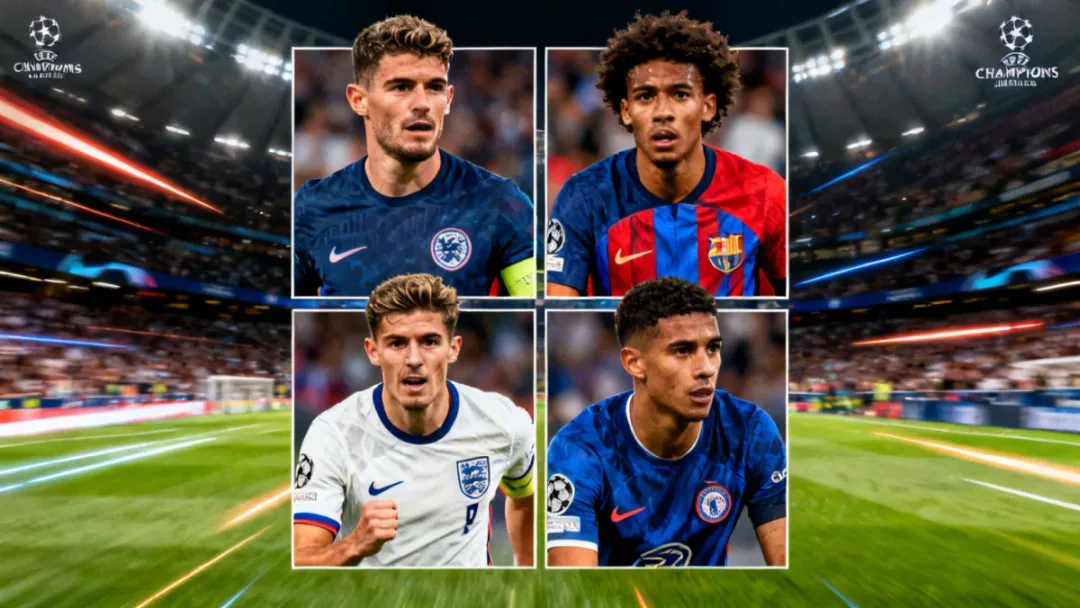
For players like Christian Pulisic, Weston McKennie, or Giovanni Reyna, being part of a team facing a relentless schedule of elite opponents offers invaluable experience. These matches are not just about winning; they are about proving resilience, tactical acumen, and mental strength under immense pressure. Performing well in these demanding fixtures can significantly elevate their profiles, leading to increased transfer value and stronger positions within their clubs.
Pathways to Global Recognition
The Champions League remains the premier club competition for talent evaluation. For American players, navigating a ‘Group of Death’ or a similarly challenging set of fixtures offers clear pathways to global recognition:
- Increased Exposure: More high-profile matches mean more eyes on their performances from scouts, media, and fans worldwide.
- Skill Development: Regularly competing against world-class opposition forces players to elevate their game, refine their skills, and improve their decision-making.
- National Team Impact: Strong Champions League performances bolster their standing within the US Men’s National Team, bringing confidence and invaluable experience to international competitions.
The pressure of these games can forge stronger, more adaptable players, directly benefiting the USMNT as it prepares for future tournaments. The development gained from such experiences is irreplaceable, providing a foundation for sustained success at the highest levels of the sport.
Ultimately, the 2026 Champions League, with its heightened competition, presents a golden opportunity for American players to solidify their place among the global elite. Their performances in these challenging environments will be closely watched, shaping both their individual careers and the perception of US soccer on the world stage.
Fan Engagement and Media Coverage in the US
The prospect of more ‘Groups of Death’ in the 2026 Champions League is set to ignite fan engagement and significantly boost media coverage in the United States. American audiences have a growing appetite for top-tier European football, and the new format, with its promise of more competitive and high-stakes matches, is perfectly positioned to capitalize on this trend. The continuous narrative of a league phase, rather than segmented groups, will keep fans hooked from the first matchday to the last.
Broadcasters and streaming platforms in the US are likely to invest heavily in covering these expanded fixtures, knowing that intense matchups involving popular clubs and American players guarantee viewership. The extended number of games and the increased drama within the league phase will provide ample content for pre-match analyses, post-match discussions, and in-depth player profiles, all tailored for the American audience. This heightened coverage will further embed European football into the mainstream sports consciousness of the US.
Driving the Soccer Boom in America
The Champions League’s growing popularity in the US is a crucial component of the wider soccer boom. Several factors contribute to this phenomenon, especially with the new format:
- Increased Accessibility: More games on various platforms make it easier for fans to follow their favorite teams and players.
- Storytelling Potential: The prolonged league phase offers richer narratives and rivalries, drawing in new fans who appreciate unfolding drama.
- Local Connection: The success and visibility of American players in these high-stakes games create a direct sense of pride and connection for US viewers.
The media’s focus on American players’ journeys through challenging Champions League fixtures will provide relatable storylines, encouraging more casual sports fans to tune in. This exposure is vital for cultivating a deeper understanding and appreciation of the sport across the country, paving the way for future growth at all levels of soccer in the United States.
The 2026 Champions League is poised to be a major catalyst for fan engagement and media growth in the US. The heightened drama of ‘Groups of Death’ and the performances of American players will undoubtedly capture national attention, further solidifying soccer’s place in the American sporting landscape.
Tactical Adjustments and Squad Depth for Success
Navigating the new 2026 Champions League format, especially through what amounts to a ‘Group of Death’ fixture list, will demand unprecedented tactical adjustments and exceptional squad depth from participating clubs. The traditional approach of rotating players for less significant group games will be severely challenged, as every one of the eight league-phase matches carries substantial weight. Managers will need to be incredibly astute in their planning, balancing domestic league commitments with the relentless demands of European competition.
Tactical flexibility will be paramount. Teams facing a diverse range of opponents, from possession-based giants to counter-attacking specialists and high-pressing sides, must be able to adapt their strategies on a game-by-game basis. This might involve shifting formations, altering defensive schemes, or deploying different player combinations to exploit specific weaknesses or mitigate threats. The ability to switch between offensive and defensive mindsets, often within the same match, will be a key differentiator for successful teams.
The Role of Sports Science and Analytics
To cope with the increased fixture congestion and maintain peak performance, clubs will rely more heavily on sports science and advanced analytics. These tools will be crucial for:
- Player Load Management: Monitoring physical exertion to prevent injuries and optimize recovery times.
- Performance Analysis: Gaining deeper insights into opponent strengths and weaknesses, as well as refining their own team’s tactical execution.
- Squad Rotation Decisions: Using data to inform when and where to rotate players effectively without compromising match outcomes.
The fine margins in elite football mean that even slight advantages gained through meticulous preparation and data-driven decisions can be decisive. Clubs with the most advanced sports science departments and analytical capabilities will likely have a competitive edge in managing the demands of the new format.
Ultimately, success in the 2026 Champions League will hinge not just on individual talent, but on the comprehensive strategic planning, tactical adaptability, and robust squad management that allows teams to consistently perform at their best across a grueling and diverse set of fixtures.
Looking Ahead: The Road to the 2026 Final
As we anticipate the 2026 Champions League Group Stage Draw, the road to the final promises to be more captivating and challenging than ever before. The new ‘Swiss model’ format ensures that every stage of the competition, right from the initial league phase, will be packed with high-stakes encounters and dramatic narratives. The concept of a ‘Group of Death’ will evolve from a specific cluster of teams to a relentless series of formidable opponents, testing the resilience and tactical acumen of every club.
The implications for American teams and players are particularly exciting. A more competitive and visible Champions League provides an unparalleled platform for US talents to hone their skills against the world’s best, elevate their global standing, and inspire a new generation of soccer enthusiasts back home. Their performances in these demanding environments will be crucial in shaping the future trajectory of US soccer on the international stage.
For fans in the United States, the expanded format means more elite European football, more compelling storylines, and more opportunities to connect with the sport. The increased media coverage and fan engagement will further fuel the soccer boom, making the 2026 Champions League a landmark event not just for European football, but for its growing influence across the Atlantic. The journey to the final will be a true spectacle, filled with unforgettable moments and showcasing the very best of club football.
| Key Aspect | Brief Description |
|---|---|
| New Format | ‘Swiss model’ league phase with 8 matches against 8 different teams, replacing traditional groups. |
| ‘Groups of Death’ Evolution | No longer traditional groups, but a relentless fixture list against multiple top-tier opponents. |
| US Player Impact | More high-stakes games for American talents to gain experience and global recognition. |
| Fan Engagement | Increased drama and storylines will boost media coverage and fan interest in the US. |
Frequently Asked Questions About the 2026 Champions League
What is the biggest change in the 2026 Champions League format?▼The most significant change is the adoption of the ‘Swiss model,’ replacing the traditional group stage with a single league phase. Each team will play eight matches against eight different opponents, rather than six matches against three teams.
How will ‘Groups of Death’ be different under the new format?▼Instead of a literal ‘group,’ a ‘Group of Death’ will manifest as a team’s fixture list featuring a high number of matches against top-ranked European clubs. This creates a relentless, challenging path through the league phase.
What are the implications for American players in the 2026 Champions League?▼American players will gain more opportunities to compete in high-stakes matches against elite opposition. This will further their development, increase their global exposure, and strengthen their standing for the US Men’s National Team.
How will the new format affect fan engagement in the United States?▼The increased number of competitive matches and dramatic storylines, especially involving American players, is expected to boost media coverage and fan interest significantly, further fueling soccer’s growth in the US.
What is the primary goal of the new Champions League format?▼The primary goal is to enhance the competitive integrity and appeal of the tournament by ensuring more meaningful matches, providing a fairer ranking system, and generating increased commercial and viewership revenue.
Conclusion
The 2026 Champions League is poised to usher in an era of unprecedented excitement and competition, largely due to its innovative ‘Swiss model’ format. The notion of a ‘Group of Death’ transforms from a mere draw into a sustained gauntlet of challenging fixtures, demanding tactical brilliance and unwavering consistency from every participating club. This heightened intensity offers immense opportunities for American players to test their mettle on the grandest stage, accelerating their development and bolstering their global profiles. For US fans, the expanded and more dramatic tournament promises a feast of top-tier football, further cementing the sport’s growing popularity across the nation. The journey through the 2026 Champions League will undoubtedly be a thrilling spectacle, shaping careers, captivating audiences, and leaving an indelible mark on the landscape of international football.